Last Updated on May 29, 2026
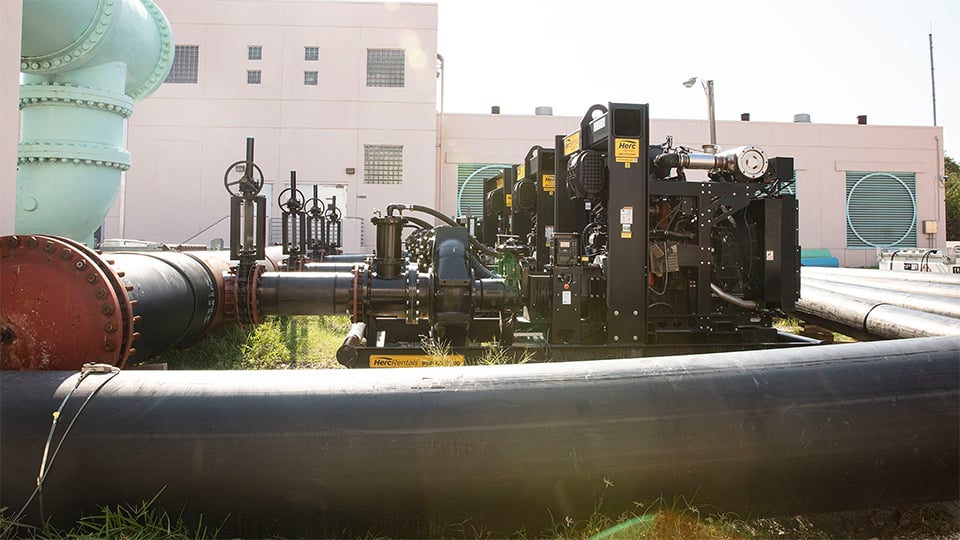
When a sewer line breaks, you can’t just shut the whole system down to perform the repairs. Residents and businesses still need to use the bathroom, clean belongings and continue daily routines. That’s where a sewer bypass comes in. By installing a sewer bypass, you can keep things running until the main sewer lines are back in order.
But how can you plan for a successful sewage bypass? What equipment do you need for a bypass pumping sewer? In this article you’ll learn tips for planning a successful sewage bypass pumping project that avoids costly mistakes while safely handling hazardous wastewater.
What Is a Sewer Bypass? When Do You Need One?
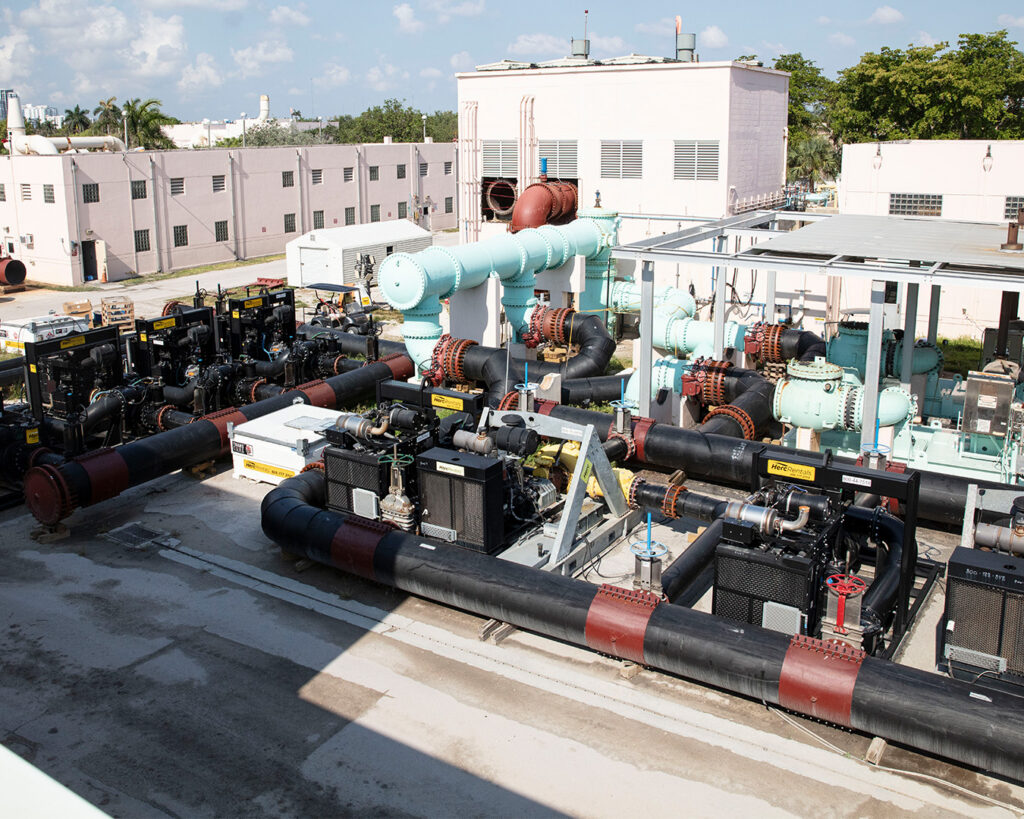
A sewer bypass uses pumps to reroute sewage into a temporary line while sewer bypass plugs block off the section being worked on.
A sewer line bypass is needed whenever you perform maintenance, repair or replace a section of sewer. Sewer bypass pumping may also be needed during new construction when tying new lines into the municipal sewer system.
Entering a sewer system can be dangerous. A well-designed sewer bypass keeps the sanitation system functional while crews work safely, helping to avoid spills, leaks and other hazards. Having the right sewer bypass plan and equipment can help you comply with safety regulations and avoid costly accidents.
How to Plan for a Sewer Bypass
Taking the time to carefully plan a sewer bypass is essential because mistakes can mean backed up lines or spilled sewage. Follow the steps below to help ensure your sewer bypass project will be a success.
1. Consider the Equipment You’ll Need from Start to Finish
A sewer bypass project needs more equipment than pumps and plugs. The first step to planning a successful project is to consider all the phases of work from breaking ground to rerouting wastewater and keeping the work area safe. But first, you have to make sure you have the right equipment.
Equipment for Key Phases of a Sewer Bypass Project:
- Earthmovers for Excavation: To access or excavate the targeted section of sewer line, you may need earthmoving equipment, such as a backhoe or an excavator.
- Concrete and Masonry Tools for Gaining Access: To cut away any sections of existing pipe or other structures, you may need concrete and masonry tools like demolition hammers and concrete saws.
- Pipe, Pumps and Plugs to Build the Bypass: To perform the bypass itself, you will need extra sewer line to be a temporary go-around. Then, you’ll need quality pumps to move the sewage into this new line. The sewer pumps will need to be powerful enough to handle the peak flow and type of wastewater. Finally, you will also need bypass sewer plugs to keep the sewage out of the section you are working in.
2. Determine Sewer Pump Quantity and Anticipated Flow
You need the right pumps to reroute sewage into the bypass safely and efficiently. Using the wrong pumps (or too few) could result in spills or backups, causing costly delays, rework and safety hazards.
To figure out the types and quantity of pumps you need, learn about the wastewater and how it flows. Ask the following questions to ensure your bypass design will work.
- What type of wastewater will flow through the bypass?
- Find out if the wastewater may contain solid objects or other materials that could clog a pump or pipes. The more solids there are, the stronger the pumps will need to be.
- What’s the anticipated peak flow?
- The bypass needs to be able to handle the maximum amount of wastewater that’s likely to occur. In residential areas, peak flow usually occurs in the morning or evening, when most residents are at home. However, the peak flow could spike even higher if there is a special or unexpected event, like major gatherings or weather events with precipitation. Having backup pumps can help mitigate any unforeseen issues.
- What are the dimensions of the pipes?
- The size and layout can affect how sewage flows and if there is friction loss. Total friction loss refers to the energy lost due to friction of the material moving through a given set of pipes, fittings and any other components. Understanding total friction helps you ensure optimal performance.
- How much suction lift is needed?
- Suction lift is the amount of suction pressure a centrifugal pump produces. Most pumps top out at around 25 feet. Depending on the depth and length of the sewer pipeline, you may need multiple pumps to move wastewater effectively.
- How fast is the flow?
- You’ll need to understand and control the velocity of the wastewater as it goes through the bypass. Velocity refers to how quickly the material moves through the line.
3. Check Sewer Pipeline Depth
Knowing the sewer pipeline depth tells you more than just how far you have to dig. It also helps determine what type of pump to use. This is because pumps move wastewater by creating suction. The deeper the depth, the lower the flow capacity of the pump.
- Shallower than 25 Feet: If the height the sewage must rise is less than 25 feet, you can use above-ground, high-volume pumps or trash pumps.
- Deeper than 25 Feet: For pipes more than 25 feet deep, use a submersible pump. These pumps don’t rely on suction lift to move wastewater. Instead, they have a motor that pushes the water upward.
Read more: How to Use a Trash Pump

4. Minimize Public Disruptions
Sewage work and bypasses can cause major disruptions, especially in crowded urban areas. Make sure your design and project plan minimize potential hazards and impact on surrounding areas.
Tips for Minimizing Disruption:
- Install the bypass during low flow times, when most people are away, to minimize spills or difficulties that could delay work.
- Set up traffic control solutions and signage. If any roads are going to be blocked or inaccessible due to machinery or the temporary line, create safe detours for traffic and pedestrians.
- Build redundancy into your bypass plan to help prevent backup or spillage if something breaks or goes wrong. This may include adding additional backup pumps.
- Test your bypass with water before redirecting sewage into it. Testing will help you fix issues or leaks before there’s a dangerous sewage spill.
5. Find Reliable Partners
Lastly, don’t forget to build good relationships with essential partners as early as possible. Including partners in the planning process will help you ensure good results or handle unexpected situations quickly.
For example, working collaboratively with the local safety and transportation departments can help you ensure a safe work site for crews and neighbors.
Plus, don’t forget all the sewer bypass equipment you may need. Having a reliable rental company you regularly work with will give you access to high-quality equipment quickly. Look for an equipment provider with a consultative approach. They can help you finalize your plans and choose the most effective solutions with rental terms that support your project goals.
Unlock Peak Performance with Herc Rentals
Using the right kind of pump and other equipment during a sewer bypass project can help you work effectively and minimize the risk of spills or delays. Whether you need a high-volume diesel pump or an electric submersible pump, contact the experts at Herc Rentals. Our wide selection of sewer bypass solutions delivers speed and reliability where it matters most.
Browse our pumps and concrete and masonry tools today, or call 1-800-432-6215 to talk with an equipment expert.