Last Updated on July 15, 2026
Did you know that, in the U.S., there are between 23,000 – 75,000 sanitary sewer overflows each year? And that’s not counting sewage backups into buildings.
These incidents can be a major public health, economic and environmental problem. Unfortunately, throughout North America, aging pipes, growing populations and other pressures on our sewer systems mean overflows seem inevitable. However, they are preventable with the right safeguards and equipment.
What can municipalities, developers and city planners do to prevent sewage overflows in order to keep people and the environment healthy and safe?
It turns out, there is a lot that contractors and municipalities can do to prevent and mitigate the impact of sanitary sewer overflows. By the end of this article, you’ll have a better understanding of what causes overflows and how to help prevent this dirty disaster.
What Is a Sanitary Sewer Overflow?
When untreated wastewater (or graywater) and sewage escape from a sanitary sewer system before reaching the treatment center, it’s called a sanitary sewer overflow (SSO).
There are three categories of SSOs. While these categories are fairly broad, they give you an idea of the magnitude of the problem you’re dealing with.
- 1: Category 1 refers to a small volume (less than 1,000 gallons) of sewage that has come into contact with surface water or the storm drainage system.
- 2: Category 2 refers to a larger volume (more than 1,000 gallons) of sewage that does not usually reach surface water.
- 3: Category 3 overflows are spills that have characteristics of both Category 1 and 2 SSOs.
What’s the Difference Between Sanitary Sewer vs. Combined Sewer Systems?
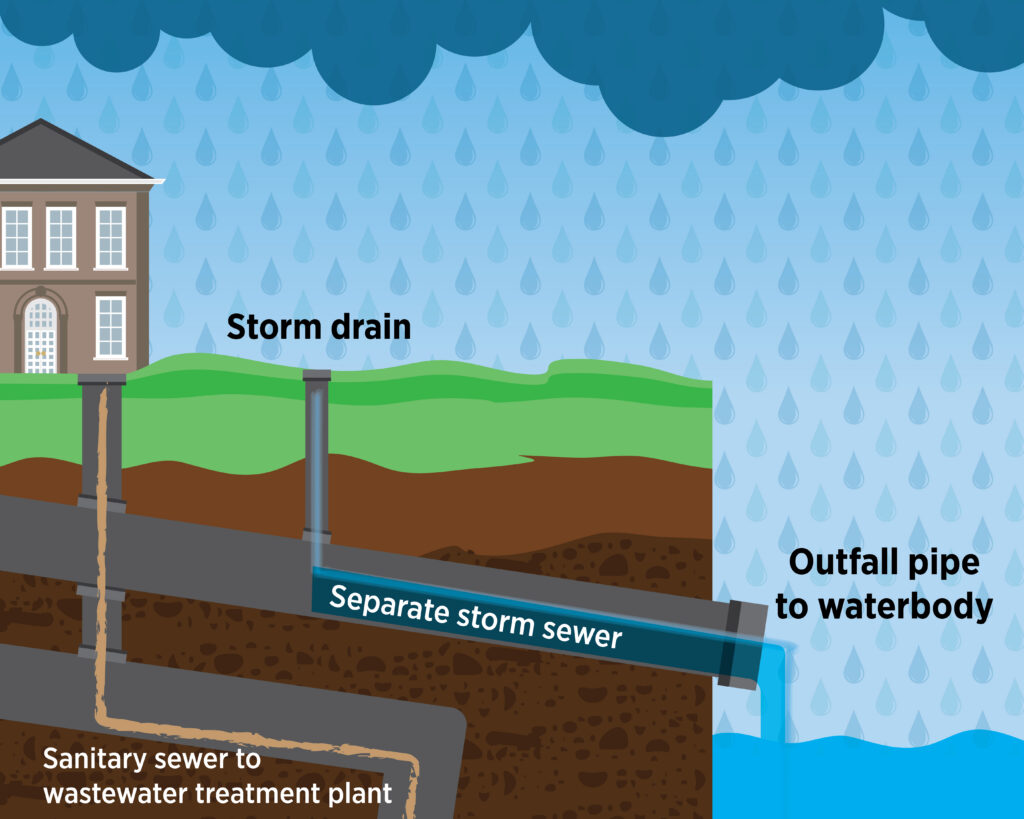
Sanitary sewer systems only collect sewage from buildings. They do not collect stormwater runoff or rainwater, and they only discharge into water treatment centers.
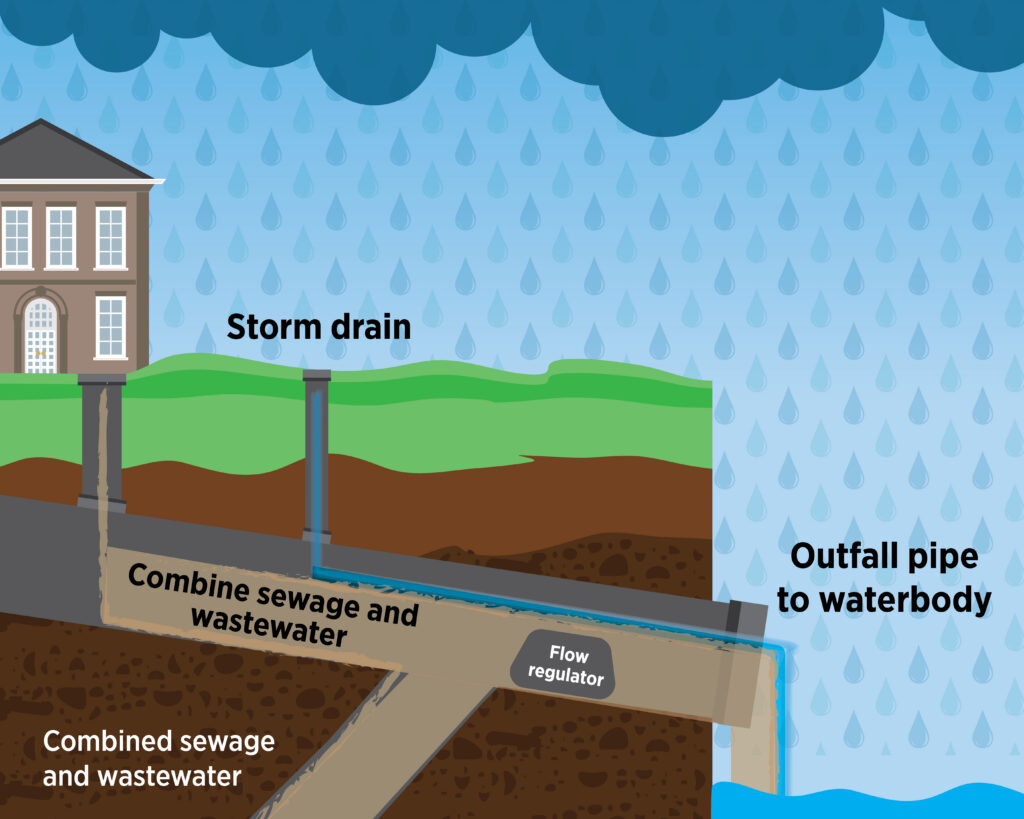
On the other hand, combined sewer systems collect both stormwater and wastewater from buildings. They may have sewer overflow pipes that allow untreated, or partially treated, wastewater to flow into nearby bodies of water. This is called a combined sewer overflow.
In fact, most places in North America use sanitary sewer systems, but some still use combined sewer systems. A sewage overflow from either system can harm public health and the ecosystem.
- Read more: How to Plan a Successful Sewer Bypass
Common Causes of Sewage Overflow
Not all sanitary sewer overflows can be prevented, but they can be greatly minimized through good design, proper maintenance and emergency planning. It’s important to understand how SSOs happen, so you can take steps now to prevent them.
- Blockages: Blockages occur due to the buildup of debris in the system. Major culprits include buildups of fats, oils, greases and solid material, like sanitary supplies and wipes. Blockages can lead to line breaks.
- Line Breaks: No matter how well-built a system is, its parts will break down over time. Concrete crumbles and metal can rust. Tree roots, earthquakes and construction can also break pipes. Breakages can lead to a small leak or to a major rupture.
- Improper Sewer Design: Every system has its limits, and one that regularly handles more wastewater than it was designed for will break down faster. In addition, combined systems can quickly become overwhelmed when the area they are in is hit by a large storm.
- Power Failures: Pumps are needed to keep sewage moving in many areas and even with backup power, these systems might fail. When pumps shut down, sewage backs up throughout the pipes, increasing the risk of spills.
- Poor Maintenance of Sewer Mains to Home Lines: Old, poorly maintained lines are more likely to crack and clog. Plus, the portions of sewer lines connected to homes are often not well maintained. These lines become vulnerable quickly.
How to Prepare for Sewage Overflows
Use the steps below, which are in order from the simplest actions to the most resource-intensive solutions, to keep your sanitary sewer flowing. Doing so will also minimize the risk and impact of overflows.
1. Maintain and Clean Sewer Systems
Regular inspection, maintenance and cleaning go a long way toward preventing major problems.
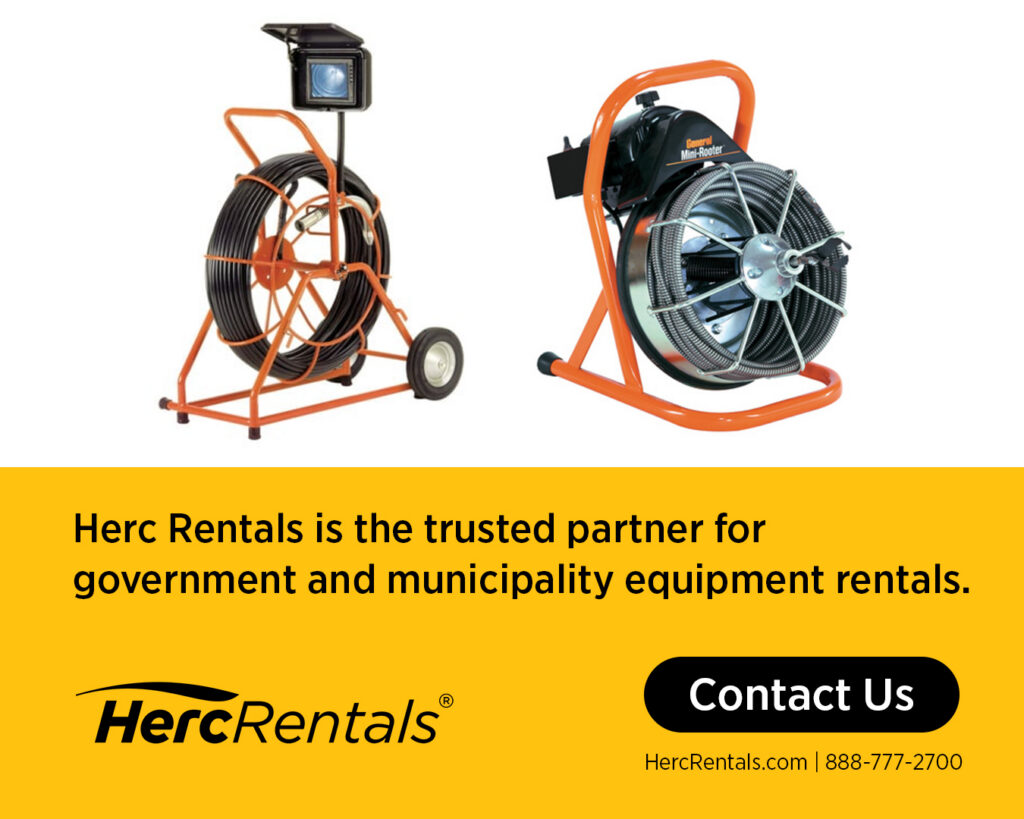
- Visually inspect pipes using a sewer camera. These cameras can give you a close-up look at the inside of the pipes so you can see which sections need repair or unclogging.
- Test and monitor flow rates to get an early warning of buildups in the system or hidden leaks or breaks.
- Clean blockages, like tree roots or other solid material, with a motorized pipe snake.
2. Reduce Infiltration and Inflow
Broken pipes don’t just let sewage out, they let stormwater and debris in. Even systems meant to handle a large volume can grind to a halt if too much debris enters through broken grates or drains.
- Repair broken pipes and entry points as soon as possible.
- Gutters, sump pumps and downspouts connected to a sanitary sewer are typically illegal. Disconnect them to prevent rainwater from overloading the system.
3. Install Controls That Limit Fats, Oils and Grease
Fats, oils and grease (FOG) are the top causes of sticky buildup on the inside of the pipes. This buildup leads to blockages and spills.
Help keep FOG out of the system by educating the public on the problem and encouraging them to collect and dispose of FOG by other means.
Then, install grease traps and oil interceptors to help control any FOG that does get into the system.
4. Expand Sewage Treatment Capacity
If more material is coming into the treatment plant than the facility can handle, it is time to expand. A larger wastewater treatment facility can receive more input as well as clean the wastewater faster.
5. Enlarge the Sewer System
Sometimes the problem isn’t the treatment plant, but the network of pipes running to it. Old systems, especially combined systems, are at a higher risk of overflow if the area experiences sudden growth or increasing storms and floods. Sewer rehabilitation can be expensive projects, but they extend the life of a valuable and necessary piece of infrastructure.
Handle Sewer Emergencies with Equipment from Herc Rentals
Sanitary sewage overflows are costly to clean up and put public health and ecosystems at risk. To prevent them you’ll need ample planning and the right equipment.
Whether you’re a municipal contractor or simply maintaining pipes for a single facility, Herc Rentals can help. With our high-quality pipe maintenance equipment rentals, you can eliminate the high costs of buying specialized tools and get the latest technology.
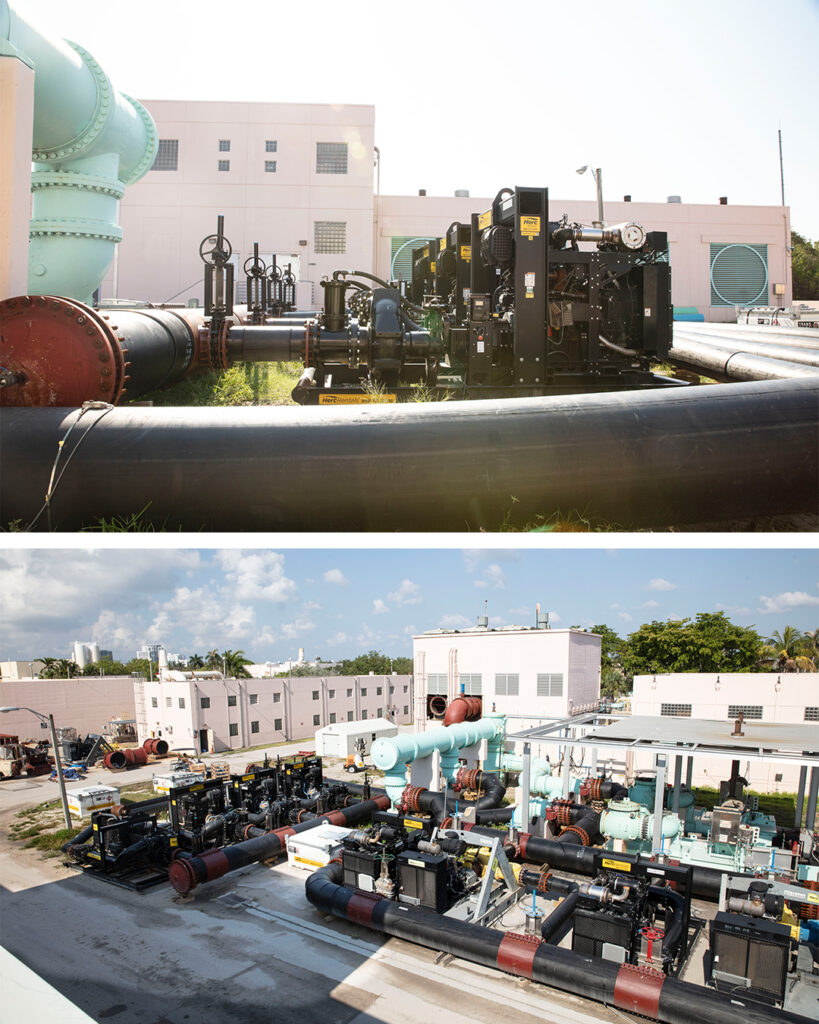
From sewer cameras and pipe snakes to a fleet of water removal and diversion equipment, we specialize in helping municipalities maintain their infrastructure.
Browse our plumbing and camera snake rentals today, or call 1-800-432-6215 to get started.