Last Updated on September 23, 2026
Construction megaprojects represent trillions of dollars in global investment and some of the most ambitious engineering feats humanity has ever attempted.
From sprawling transit networks to governmental facilities and data centers, construction megaprojects are popping up everywhere. They transform the world around them, driving economic growth and opportunity.
Yet behind every awe-inspiring project is a set of complexities that test the limits of engineering, strategy and technology. These projects are complicated, equipment-intensive and typically contain several phases. They require different strategies than project managers and procurement officers may be used to with smaller projects. If you’re new to working at this scale, then this guide will help you understand the challenges to expect and how to successfully deliver construction megaprojects.
What Is a Megaproject?
As the name implies, megaprojects are, in every sense, mega and multi-faceted. Characteristics of these large-scale construction projects include:
- Significant public and private investment, usually more than $1 billion, with a variety of stakeholders involved throughout the project.
- A long timeline, taking years or decades to complete.
- Using advanced construction technology, such as new design methods, AI or advanced equipment.
- Major economic, social or environmental impacts, during or after construction.
You don’t have to search hard to find megaproject examples in nearly every industry. For example, the transportation sector includes Chicago’s O’Hare International Airport in the middle of ORDNext — a more than $8 billion project to modernize the facilities and build new concourses and tunnels.
Similarly, Meta’s Hyperion data center megaproject in rural Louisiana will cost more than $50 billion in public and private investment and require significant infrastructure improvements before it’s completed in 2032. Both projects will have a major impact on the surrounding communities and people worldwide.
The 5 Biggest Challenges of Megaprojects (And How to Solve Them)
When it comes to managing construction megaprojects, dozens of decision-makers need to work together to successfully deliver on the project’s promises. If contractors and other project teams stay isolated in their own silos, a small hiccup can quickly turn into a mega problem.
Here are five of the main challenges most megaprojects face and smart solutions for how to handle them.
1. Overcoming Extreme Logistical Hurdles
Why It’s a Challenge:
Like any construction project, megaproject logistics include supply chain coordination challenges, site access issues for heavy equipment and materials management hurdles. The difference is that it all happens on a massive scale.
For example, consider the Brightline West, an all-electric, high-speed rail project. It spans hundreds of miles across two states (Nevada and California) and requires infrastructure improvements like building bridges and relocating utilities before the tracks and trains can be installed.
Multiple teams across multiple industries and geographical regions need to work together to overcome extreme logistical challenges.
Smart Solutions:
- Identify the scope of each stage of construction. Who is involved? What equipment will they need, and when? What is the project site like? Is there a unique layout that makes it hard to navigate?
- Choose an experienced equipment rental partner with a national footprint. They will help you streamline your operations and mitigate logistical delays by providing the right equipment exactly when you need it.
2. Managing Complex Stakeholder and Regulatory Environments
Why It’s a Challenge:
Massive projects come with massive stakeholder expectations and regulatory requirements. For example, hyperscale data centers need immense amounts of electricity and water to keep the servers cool and running 24/7. Building these data centers often means expanding the local power grid and water supply while maintaining a safe worksite and minimizing the impact on the local environment and communities.
Managers of construction megaprojects will need to coordinate with private investors, community groups and government agencies to manage expectations, secure permits and gather resources.
Smart Solutions:
- Focus on Safety and Sustainability. Incorporating a strong culture of safety and sustainability from the start is a smart way to minimize the risk of costly accidents. It’s also a great way to build trust with stakeholders, which can make the permitting and community relations process go more smoothly.
- Read more about safety tips at data centers.
- Work with Communities Early. Megaprojects will impact the surrounding communities and those they serve. Invite community stakeholders to participate in different stages of the project.
- Stay Up to Date on Permits and Regulations. Know the regulatory requirements for all the industries, locations and utilities that will be involved. Since the project will take years to complete, you’ll need to pay attention to changing laws and update plans and permits accordingly.
3. Mitigating Financial and Schedule Risks
Why It’s a Challenge:
With a construction project of this scale and for a longer period of time, there is no way for teams to completely predict all the challenges. While risk assessments up front help, all megaprojects will eventually run into a situation that impacts the budget and the schedule.
These unforeseen issues could be as simple as an equipment breakdown or rising prices. However, the financial and schedule risks could be more complex.
For example, excavation could uncover ancient archaeology and geological formations that pause the project or require a new design. A sudden severe storm can cause costly delays or ruin work that’s in progress. And, of course, global events such as war or a pandemic could spark supply chain disruptions, workforce issues, or regulatory changes that fundamentally impact how industries operate.
Smart Solutions:
- Rent reliable, well-maintained equipment. This can help prevent costly downtime and keep the project on schedule, which directly protects the budget.
- Plan for contingencies. Make sure you include backup and emergency equipment in your plans. If severe weather strikes, you may need backup power generators or equipment that can handle wet, muddy terrain.
- Read more: How to Reduce Unplanned Downtime
4. Sourcing and Managing a Diverse Fleet of Heavy Equipment
Why It’s a Challenge:
You can think of megaprojects as a bundle of dozens or hundreds of smaller projects. Each phase may require a different mix of specialized construction equipment rentals. For example, pipeline construction will need earthmoving equipment and pumps to safely install utilities below ground. Above ground, crews may need aerial lifts and all-terrain material handling equipment to build a structure in a challenging location.
For project managers and procurement officers, finding, maintaining and managing a vast array of heavy equipment for construction can be a hassle. They need solutions that help them understand which equipment is needed and how to optimize the value of their investment or rental agreement.
Smart Solutions:
- Know When to Rent Instead of Buy. Renting heavy equipment gives you flexible access to a massive, modern fleet without the large upfront capital and ongoing costs of equipment ownership. Buying equipment usually only makes sense when you’ll need the same machine daily for many years.
- Track Equipment and Tools with Rental Management Software. A centralized digital solution helps you coordinate rentals, manage service alerts and see utilization data so you can optimize the value of each rental.
- Learn More: A Guide to Rental Equipment Management
5. Integrating Modern Construction Technology
Why It’s a Challenge:
Successfully managing a construction megaproject only happens if teams have the support they need to work safely and efficiently. Modern construction technology can help give teams the data and insights they need to manage equipment usage and work safely, but it can be hard to source the right solutions and make sure everyone knows how to use them correctly.
Smart Solutions:
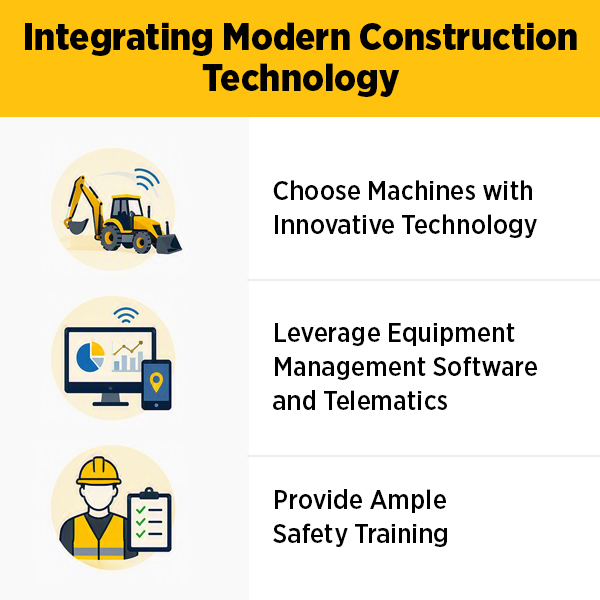
- Choose Machines with Innovative Technology. For example, some backhoes come with ride control functions that automatically activate at a certain speed to ensure a smooth ride with less bucket spillage.
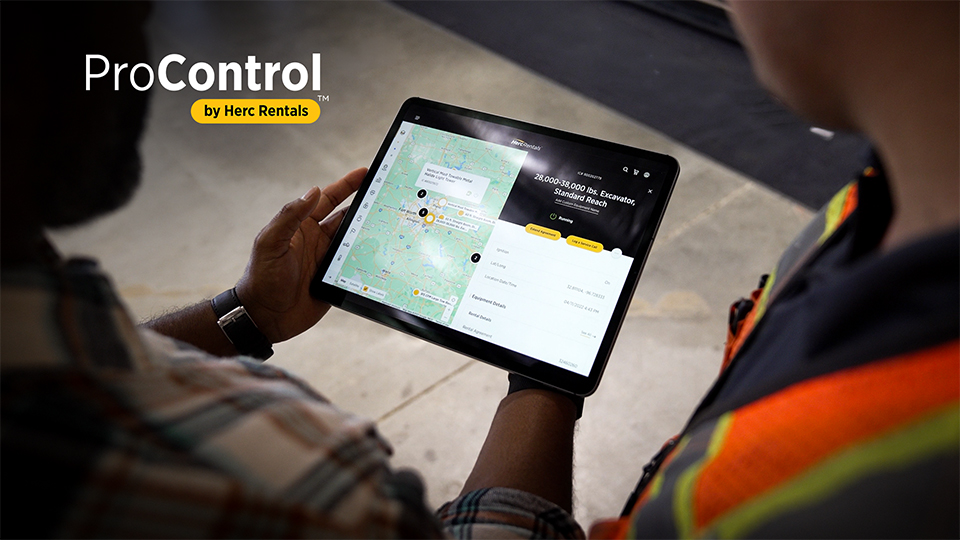
- Leverage Equipment Management Software and Telematics. Digital solutions, such as ProControl™ by Herc Rentals, and built-in telematics provide critical data for managing construction megaprojects efficiently.
- Provide Ample Safety Training. The latest equipment may have features and functions that are new to your teams. Make sure they know how to safely operate each machine to prevent disasters, have up to date certifications and stay compliant with safety regulations.
Your Blueprint for Success: Key Factors in Delivering Megaprojects
There are several megaproject success factors that can help your next project avoid, or quickly handle, the challenges above.
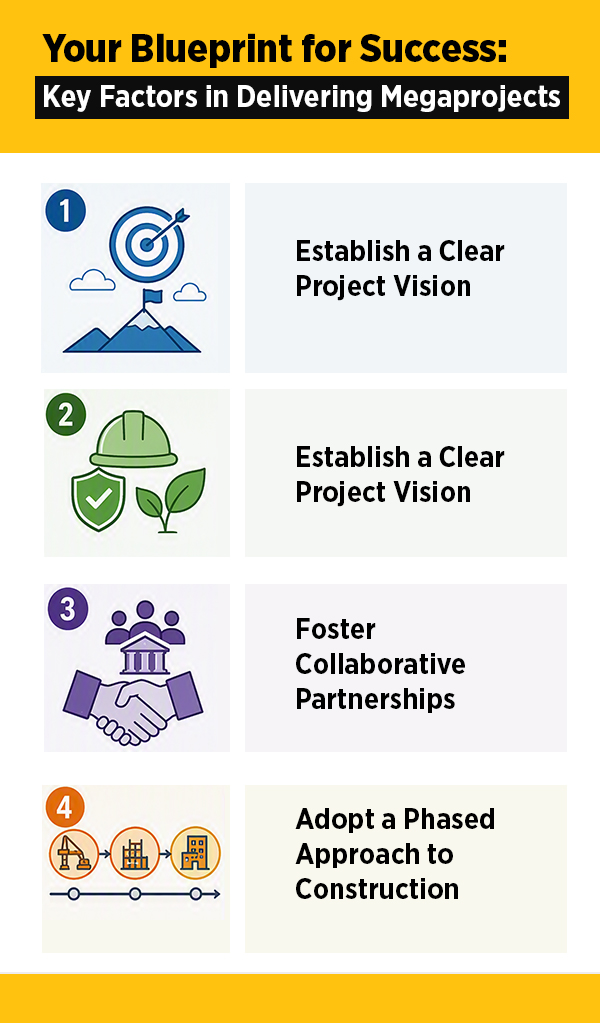
- Establish a Clear Project Vision: Megaproject executives need to have a clear and inspiring project vision that focuses on the “why” as much as the “how.” You can’t get stakeholders’ buy-in if they don’t understand why the project will be beneficial for the things they care about. It’s also difficult to effectively coordinate different teams without clear goals and plans for how the vision will come to life.
- Prioritize Safety and Sustainability from Day One: Making safety and sustainability a core part of your plans is a great way to help keep the project moving while minimizing risks. When all teams work with high standards, the project is more likely to quickly overcome regulatory hurdles and pushback from stakeholders while preventing costly accidents and delays.
- Foster Collaborative Partnerships: When your project relies on support or investment from private companies and local, state or federal agencies, you need strong relationships. A clear vision built around safety and sustainability can also help foster collaborative partnerships that cut through red tape. It’s also important to foster good will with the communities affected by the project. Otherwise, negative public perceptions can quickly derail funding or delay key construction phases.
- Adopt a Phased Approach to Construction: As mentioned earlier, a single megaproject is really many smaller projects rolled into one. Megaprojects need to be broken down into bite-size phases with specific goals, shorter timelines and their own budgets. This helps make a megaproject easier to manage as new challenges arise and the needs of the project evolve.
Build Your Next Landmark Project with Herc Rentals
Megaprojects are complex, but success is achievable with the right strategies and partners. At Herc Rentals, we understand how construction megaprojects work and have the equipment, technology and services you need to make the job easier. For efficient construction project management, the Herc Rentals ProResources™ team delivers the essential tools precisely when and where you need them. Our commitment extends beyond our fleet of modern equipment. We have services and solutions that can help you plan ahead, train your teams, and streamline your operations.
Contact us about custom solutions for your large-scale construction projects that can save time and resources. Or, call 1-800-432-6215 to contact a Herc Rentals megaproject specialist today.