Last Updated on July 17, 2026
Construction management tools and heavy equipment rental apps deliver the most value when they align with real project workflows to improve efficiency, profitability and team collaboration. When tools operate in silos, though, they often create work instead of reducing it.
For many construction managers, tracking rental equipment remains one of the biggest gaps because equipment is frequently tracked using third-party platforms. Or, it’s tracked by using multiple spreadsheets, emails and phone calls across separate teams.
It doesn’t have to be that way. Modern construction equipment rental management apps, paired with knowledgeable rental partners, can integrate with your existing workflow. When done well, the tool streamlines rental tracking, scheduling, equipment maintenance and costs.
With this guide you’ll explore how integrating an equipment rental app into your project workflows can improve fleet management to make operations more efficient, connected and easier to manage.
The Hidden Costs of Disconnected Rental Management in Construction
Construction projects run on tight margins, complex schedules and evolving compliance demands. While labor, materials and equipment costs are closely monitored, hidden costs like poor equipment rental management can quickly drain your time and budget.
When your systems are disconnected, small inefficiencies snowball into operational gridlock. This slows productivity and strains resources across your project’s lifecycle.
Operational gridlock and hidden costs can often show up as:
- Project delays caused by double-booked, misplaced or unavailable equipment.
- Wasted budget from underutilized rentals, lost assets or extended rental periods driven by poor tracking and limited insight into actual usage.
- Compliance headaches stemming from untracked inspections, missed maintenance intervals or expired equipment certifications.
- Communication breakdowns between the project site, back office and rental provider, leading to scheduling errors, billing disputes and rework.
Beyond cost and efficiency, disorganized fleet management can introduce serious safety and regulatory risks. Proper inspection, maintenance and documentation are essential to meeting Occupational Safety and Health Administration (OSHA) requirements for construction equipment and powered industrial trucks.
Without centralized visibility, compliance becomes reactive instead of proactive, putting both workers and the project at risk.
6 Ways to Improve Fleet Management
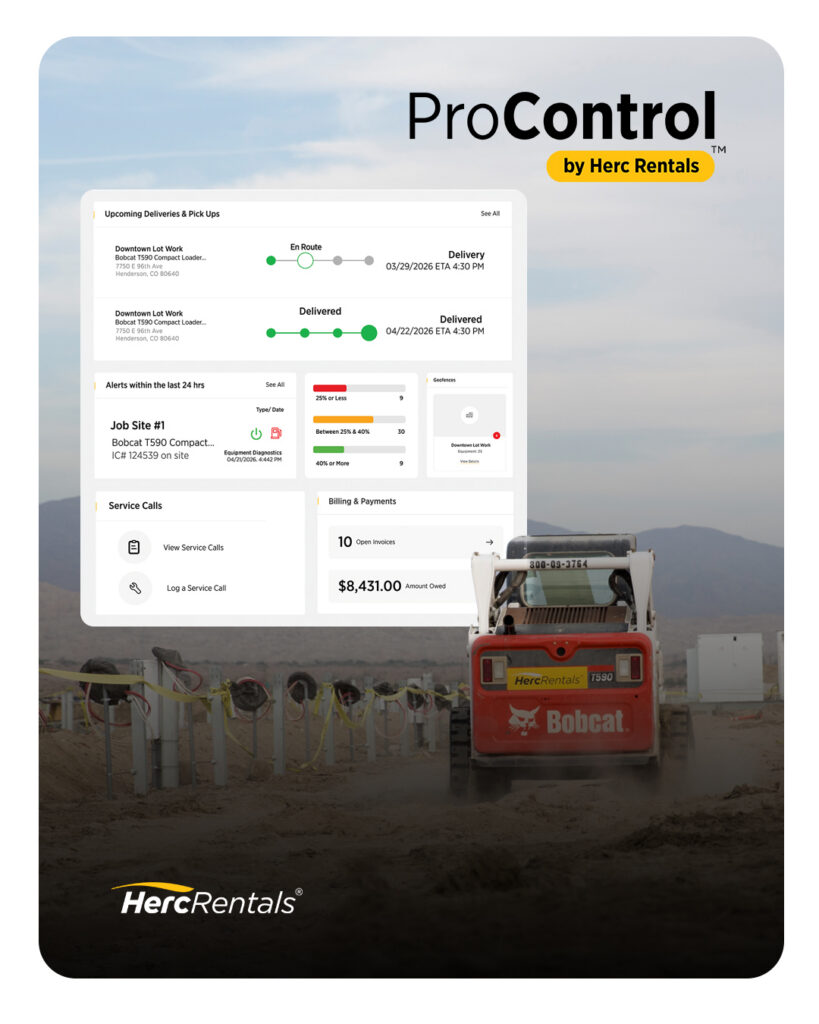
Construction equipment rental apps, like ProControl by Herc RentalsTM, helps your teams streamline fleet operations and avoid idle equipment and disconnected data across project sites. With the right modern rental fleet management tools you can use the following tips to improve fleet management and run your projects efficiently.
1. Centralize Fleet Visibility and Start Real-Time Tracking
Managing equipment rentals without a centralized system can quickly lead to confusion, delays and unnecessary costs.
Improve fleet management by using a comprehensive equipment rental app with real-time tracking. The digital platform becomes your teams’ centralized hub for all equipment and rental agreements, giving them complete visibility into equipment status, usage and availability.
For example, a platform with GPS tracking provides real-time insight into asset location, eliminating guesswork and preventing overbooking. With real-time fleet management tracking, you can instantly see if a piece of equipment is on site, in transit, at the yard or being returned. This visibility can help you prevent over-booking and help managers locate equipment instantly.
Additionally, some tools can incorporate equipment telematics data, including engine hours, fuel use and diagnostics. High-impact programs deliver actionable insights that drive smarter planning, better maintenance decisions and tighter cost control. With app access from a mobile phone, tablet or desktop device, managers, dispatchers and field teams can all work from the same up-to-date information anytime and anywhere.
2. Automate Dispatch and Scheduling
Some rental equipment fleet management and construction project management systems still rely on phone calls, emails and follow-ups to stay aligned with project plans. This back and forth can waste valuable time and increase the risk of errors.
Choose a digital platform that helps streamline dispatch by allowing your managers to schedule, adjust and automate deliveries and pickups directly within the system.
When dispatching and scheduling tools sync with project timelines, you can align logistics with on-site needs. Managers can make real-time adjustments to ensure equipment arrives and departs exactly when required.
Centralized scheduling also enhances visibility across teams so everyone can work from the same plan without relying on one fleet manager. Teams can also request service calls, track status and confirm deliveries in one place. With fewer manual touchpoints, teams have better control over logistics and free up time for higher-value work.
3. Pay Attention to Proactive Maintenance and Compliance Alerts
A hallmark of effective rental equipment management is being proactive about maintenance and compliance. A proactive approach strengthens job site safety by ensuring equipment operates properly and meets OSHA requirements.
You can also help minimize costly, unexpected downtime, especially with long-term rentals, by using the right tools and partnering with a reliable provider.
Working with a reliable provider simplifies maintenance, since they handle compliance inspections, servicing and repairs. This reduces your administrative workload while ensuring equipment is properly maintained and documented.
When supported by an effective app for equipment rental, the right partner can automate alerts for upcoming maintenance, required inspections or expiring certificates. Accurate service records and timely reminders help keep equipment safe, compliant and ready for use.
4. Allocate Costs and Simplify Rental Invoicing
Allocating rental equipment costs to specific jobs or project phases early in the process ensures accurate accounting and keeps budgets on track. Proactively assigning expenses prevents last-minute reconciliation headaches. It also reduces the time spent tracking down missing details.
Whenever possible, look for solutions that allow you to integrate your fleet management and accounting systems. When platforms connect, managers can better automate cost allocation, generate invoices, set payment reminders and pay in a seamless process.
This reduces manual data entry, saves time and minimizes the risk of late or missed payments that could disrupt the rental process.
5. Save Time with 24/7 Self-Service Customer Portals
Relying on phone calls or emails to coordinate with equipment rental providers slows down managers who know exactly what equipment they need and when.
Choose a tool that includes self-service customer portals to eliminate this dependency. Self-service portals let teams request new rentals, extend agreements, adjust delivery and return options, or log service requests at any time from any device outfitted with the application.
By removing business-hour delays and back-and-forth communications, portals give contractors more autonomy over rental equipment fleet management. Faster access to equipment and service responses helps keep projects on schedule and crews productive.
6. Eliminate Paperwork with Digital Contracts and On-the-Go Approvals
In construction, change is constant. You may need new equipment or adjust rental terms at a moment’s notice. Weather fluctuates often, and material prices adjust to economic impacts. When you need to put gear in motion, you don’t have time to track down rental providers and wait for paper approvals.
Instead, choose an equipment rental provider who offers digital contracts and e-signatures. This helps you get instant approvals from any mobile device without printing, scanning or in-person signing delays.
Digital contracts also help teams manage rental agreements, confirm deliveries and submit damage reports directly from their phones or tablets. The result: less paperwork, faster decisions and an instant, auditable trail for all stakeholders.
Herc Rentals: Your Partner for Integrated and Efficient Equipment Rentals
Herc Rentals understands the challenges construction managers face, from labor shortages and rising material costs to razor-thin timelines. Rental equipment management adds another layer of complexity, especially when it is managed outside familiar digital tools.
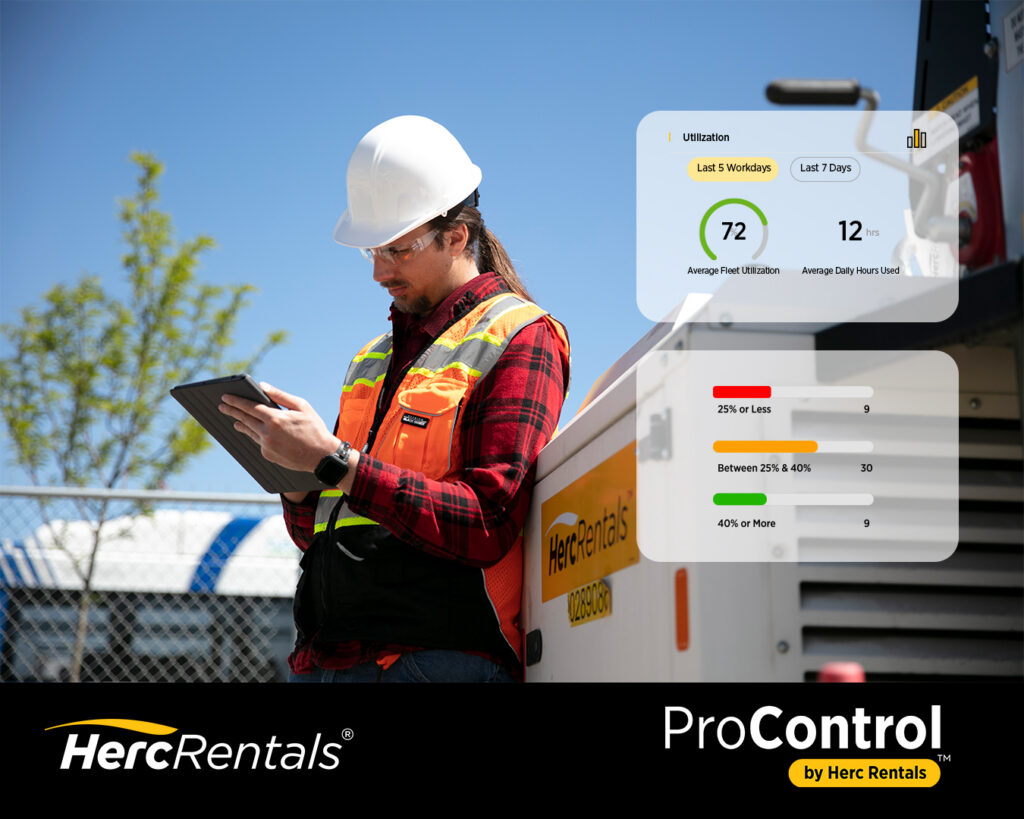
With top-quality equipment and the award-winning ProControl digital platform, Herc Rentals is your partner for improving your rental equipment management. ProControl is our advanced fleet management system and e-commerce platform. It arms you with real-time analytics, equipment utilization data, diagnostics, alerts and visibility throughout your entire rental experience.
Build Better with Smarter Rental Management
Keeping rental data in sync with project timelines helps right-size your fleet, reduce idle or off-rent equipment and ensure the field and office work from the same live information.
With Herc Rentals’ ProControl equipment rental management app, combined with our leading industry expertise, you can turn equipment and rental data into actionable decisions. Automated alerts for maintenance, service, usage and deliveries support compliance and uptime, while tools for dispatch, approvals, invoicing and self-service save time, reduce errors and keep projects on track.
Ready to connect your fleet to your project workflow? Read more about ProControl, or contact a Herc Rentals specialist today at 1-800-432-6215 to learn more.