Last Updated on September 23, 2026
Food processing plants have major responsibilities. Every product that leaves the facility needs to be safe for customers to eat without getting sick. The facility itself also needs to provide a safe environment for employees and the product. This feat takes more than following regulations to avoid costly accidents and food recalls that damage your company’s reputation. It requires planning, consistent safety training, and a workplace where safety is built into every task and piece of equipment.
From proper food handling to equipment maintenance, small daily habits and the right equipment can make a major difference. Keeping work areas clean, preventing contamination and maintaining machinery all help protect employees and the food being produced.
In this guide, you’ll learn the 15 practical food processing plant safety tips that can help improve your facility’s operations, reduce risks to customers and employees, and support a strong food safety culture.
The Importance of Food Processing Plant Safety
According to OSHA, from 2015 to 2022, food and beverage processing machinery alone contributed to more than 700 severe injuries. Other machines such as conveyors, mixers, grinders, and slicers were contributing factors in other severe injury reports as well.
Strong food processing safety practices protect both employees and consumers. When a facility follows established procedures, it helps reduce the risk of contamination, food-borne illnesses, equipment failures and workplace injuries. At the same time, employees can work more confidently knowing they have the training and tools they need to stay safe.
Preventing food contamination and accidents starts with creating a culture where everyone understands their role. From cleaning equipment to following proper hygiene procedures, every step in the production process matters. A safe facility also experiences less downtime, fewer recalls and greater customer confidence, making food processing plant safety an investment that benefits the entire operation.
15 Food Processing Plant Safety Tips
Here are the top 15 safety tips for food processing plants that will help ensure your team, equipment and food stay safe. Each tip involves gear or equipment that you may need either on a regular basis or only during certain times, such as hot summer months. Keep in mind that partnering with a reliable equipment rental provider can help ensure that you can respond quickly to changing safety needs.
1. Heat, Store and Transport Food at Proper Temperatures
Temperature control is one of the most important parts of safe food handling. Foods stored outside recommended temperature ranges can quickly become unsafe and increase the risk of bacterial growth.
Use calibrated thermometers to monitor refrigeration, freezers and heated storage areas. During transportation, insulated trailers or refrigerated equipment should maintain proper temperatures until products reach their destination.
Employees should also know how to respond if equipment fails or temperatures move outside acceptable limits. Having a trusted equipment rental provider on call makes it easier for them to get backup climate control solutions in place quickly.
2. Label Foods, Chemicals and Materials
Clear labeling helps employees quickly identify ingredients, allergens, cleaning products and hazardous materials. It also helps prevent accidental contamination or misuse.
Every container should have an accurate label, including expiration dates when needed. Chemicals should always remain in their original containers or approved labeled containers. Keeping labels easy to read reduces mistakes and supports a safer food processing facility.
3. Keep Air Clear of Contaminants
Large facilities and industrial environments, especially ones that work with materials that quickly expire or spoil, often create harmful airborne pollutants. These can include dust, bacteria, mold and allergens. Using an air scrubber can remove the vast majority of physical debris and airborne pathogens, keeping food and materials clean.
4. Promote Frequent Handwashing and Proper Hygiene
Good hygienic practices are one of the easiest ways to reduce contamination risks. Employees should wash their hands before starting work, after breaks, after using the restroom and anytime they may have become contaminated.
Facilities should provide enough handwashing stations with soap, warm water and disposable towels. Hair restraints, gloves and clean uniforms also help maintain sanitary conditions. Managers should also regularly reinforce hygiene expectations through reminders and ongoing training.
5. Properly Clean and Maintain Equipment and Flooring
Production equipment should be cleaned on a regular schedule to remove food residue, bacteria and allergens. Employees should wash equipment, inspect it for damage and perform preventive maintenance before problems develop.
It’s equally important to clean and sanitize equipment using approved cleaning products and proper procedures. Keeping machinery in good condition not only supports food safety but also reduces unexpected downtime and costly repairs.
If you rent equipment, such as conveyors, your equipment rental provider is responsible for most repairs and maintenance. Contact them as soon as you notice an issue to resolve it quickly.
Just as important as keeping equipment clean is keeping the space around it clean. Ensure you have access to proper floor care equipment and create a floor maintenance plan for the facility.
6. Prevent Cross-Contamination
Cross-contamination can happen quickly if raw ingredients, finished products or allergens come into contact with one another. Clear workflows help reduce unnecessary movement between clean and raw processing areas.
Separate workstations whenever possible and use dedicated tools for different production areas. Employees should also change gloves, sanitize surfaces and properly store ingredients between production runs.
7. Maintain Communication
Safety depends on good communication throughout the facility. Employees should understand production changes, maintenance schedules, cleaning procedures and potential hazards before beginning work.
Daily meetings, posted safety reminders and shift hand offs help everyone stay informed. Open communication also makes it easier to identify issues before they become larger problems.
Good communication applies to your equipment rental provider, as well. A high-quality provider will offer transparent communication and fleet management solutions to streamline the rental process, such as ProControl by Herc RentalsTM, an industry-leading digital assistant for equipment rental customers.
8. Provide Thorough Employee Training
Training should begin on an employee’s first day and continue throughout their career. Workers need to understand proper operating procedures, emergency response plans, equipment safety and sanitation requirements.
Training refreshes helps reinforce expectations and introduces employees to new equipment or updated regulations. Well-trained teams are more confident, productive and better prepared to avoid accidents.
9. Require Employees to Stay Home When Sick
Employees who are sick can unintentionally spread illnesses that may affect coworkers or contaminate food products.
Facilities should encourage workers to report symptoms without fear of discipline. Clear attendance policies, supervisor communication and return-to-work procedures help protect both employees and consumers.
10. Encourage Employees to Report Unsafe Conditions
Employees often notice hazards before managers do. Encourage workers to report damaged equipment, spills, blocked exits or unsafe conditions as soon as they are discovered.
Creating a workplace where reporting concerns is encouraged instead of discouraged helps prevent injuries and allows problems to be corrected quickly.
11. Implement Proper Pest Control
Pests create serious risks inside any food processing facility. Rodents, insects and birds can contaminate products, damage equipment and create sanitation concerns.
Seal entry points, inspect deliveries, remove waste promptly and work with licensed pest control professionals to monitor the facility. Regular inspections help identify problems before they grow.
12. Establish Certain Rooms or Spaces for Different Processes
Separating different production activities helps reduce contamination risks. Raw ingredient preparation, packaging, storage and cleaning activities should each have designated spaces whenever possible.
Limiting traffic between production areas also helps employees follow proper sanitation procedures and maintain cleaner work environments throughout the facility.
13. Implement Suitable Waste Management Practices
Waste should never be allowed to build up in production areas. Trash, food scraps and packaging materials should be removed regularly using designated containers.
Waste storage areas should remain clean and separate from production spaces. Proper disposal practices also help reduce odors, pests and contamination risks.
If your facility floods or experiences a sewage backup, you may need to rent specialized pumps and other remediation equipment to get back on track.
14. Conduct Regular Food Safety Audits
Routine inspections help verify that safety procedures are working as intended. Audits can identify sanitation issues, equipment problems, documentation gaps and training needs before they become major concerns.
Review cleaning records, temperature logs, maintenance schedules and employee procedures on a regular basis. Continuous improvement is a key part of successful food safety management.
15. Use the Proper Guards for Machinery and Hazardous Areas
Protective machine guards help reduce the risk of serious workplace injuries and are required by OSHA safety regulations. Employees should never remove or bypass safety guards while equipment is operating.
Clearly mark hazardous areas, install barriers where appropriate and lock out equipment during maintenance. Personal protective equipment should also be available whenever tasks involve moving machinery, chemicals or other workplace hazards. These steps play an important role in food processing plant worker safety and help create a safer work environment for everyone.
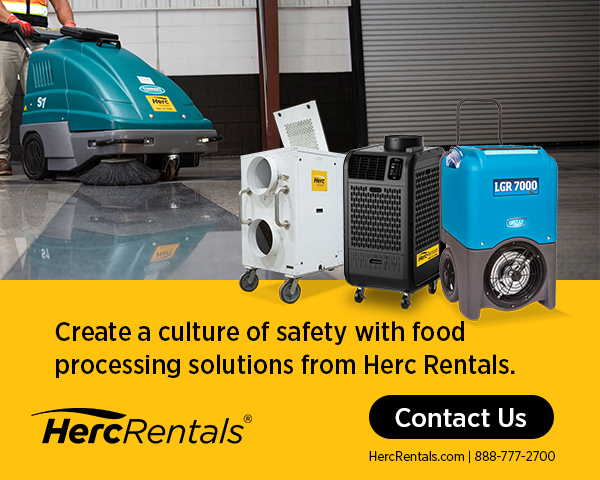
Safer Worksites, Safer Food. Rent Specialized Equipment from Herc Rentals.
Maintaining a safe food processing facility often requires specialized equipment or temporary solutions, such as in the case of a power outage. At Herc Rentals, we offer a wide range of manufacturing and assembly solutions that are ideal for any situation, including planned maintenance, facility expansions and emergencies.
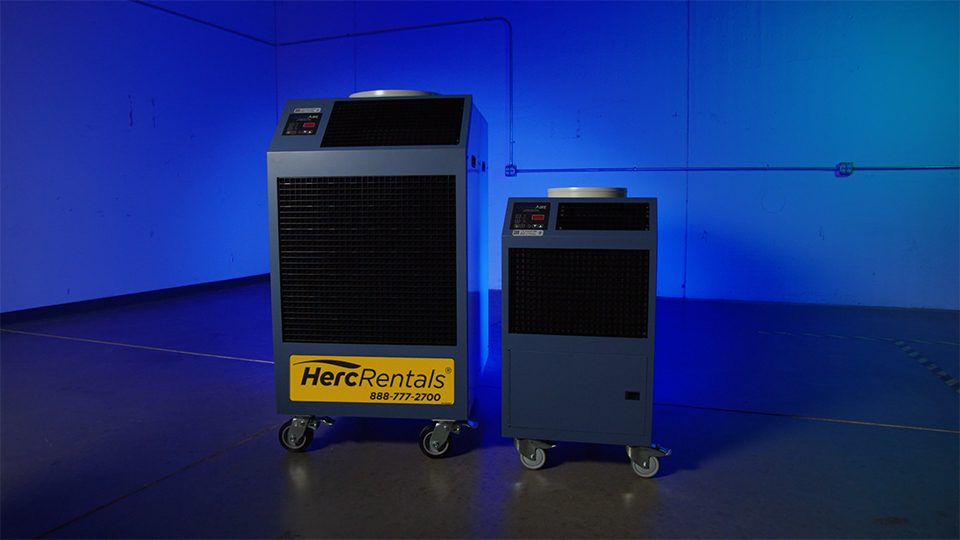
For example, our fleet of temporary air conditioning systems help you maintain proper temperatures, while our storage solutions provide extra capacity, and our truck and trailer rentals make transporting equipment and products easier.
Whether you’re improving your food safety management program or preparing for your next project, Herc Rentals can help you find equipment that supports safe, efficient operations. Contact the team today, or call 1-800-432-6215 to get started.