Last Updated on September 25, 2026
Pipelines are the circulatory system of North American infrastructure, transporting oil, natural gas, water and sewage through millions of miles of underground lines to keep our communities running.
As these arteries age and new energy projects come online, the demand for pipeline construction grows. Pipeline construction projects are complex and long-running, requiring specialized crews and equipment that can move seamlessly from one phase of construction to the next.
How can pipeline construction companies handle these ever-changing, large-scale equipment needs without breaking the bank? By partnering with a trusted equipment rental provider.
Renting pipeline equipment is a practical, cost-effective way to adapt to your project’s changing needs. Working with a trusted partner like Herc Rentals gives you access to a broad fleet of reliable equipment and experts who help you find the right solutions for every stage of the job.
Read on to learn more about each stage of the pipeline construction process and the equipment you may need.
The Growing Need for Pipeline Construction
Pipeline construction is expanding across the U.S. for several reasons, including an aging infrastructure that can’t keep up with our growing energy demands.
- Aging infrastructure must be replaced as pipelines deteriorate and safety and environmental regulations become more stringent. More than half of America’s and Canada’s pipeline infrastructure is over 50 years old, making replacement essential to reduce leaks, improve reliability and protect communities.
- We need more pipelines to meet rising energy demand. More oil and natural gas is needed to generate electricity, heat and cool buildings. Additionally, we must power vehicles and run industrial equipment.
As a result, the gas and oil pipeline construction market was valued at $52.5 billion in 2024 and is projected to reach $99 billion by 2032, with a compound annual growth rate of 8.4% from 2025 to 2032.
These demands create opportunities for contractors across every phase of construction, from surveying and site preparation to excavation, welding, pipe installation, testing and restoration. Successful projects rely on skilled crews, specialized equipment and a commitment to pipeline safety and regulatory compliance from start to finish.
For example, contractors must comply with federal, state and local requirements, including standards established by the Occupational Safety and Health Administration to protect workers from hazards such as cave-ins, heavy equipment, confined spaces and welding operations. This can mean you’ll need the right equipment to help keep everyone safe.
Pipeline Construction Opportunities
The word “pipeline” refers to more than one type of project. It’s an umbrella term for a variety of projects. Pipeline construction is a major part of underground construction, creating a wide range of opportunities. Different systems serve different purposes, and each requires its own design, construction methods, equipment and expertise.
For oil and natural gas pipeline construction, there are three main categories of pipelines: gathering, transmission and distribution.
- Gathering Pipelines: Gathering pipelines are the starting point of the network. They collect raw oil or natural gas from individual wells and transport it to processing facilities or larger transmission lines. These pipelines are typically smaller in diameter and operate at lower pressures and flow rates. Construction may involve clearing, excavation, pipe installation, welding, testing and work in active production areas.
- Transmission Pipelines: Transmission pipelines are the long-distance carriers of the system, moving large volumes of oil, natural gas or other products between production areas, processing facilities, cities and distribution hubs. These large-scale projects often require extensive right-of-way work, heavy earthmoving equipment, specialized welding, inspection, testing and restoration.
- Distribution Pipelines: Distribution pipelines deliver products from transmission systems to homes, businesses and other end users. These projects often take place in developed areas and require crews to work around existing utilities, roads and infrastructure while completing excavation, service connections and restoration.
Water and wastewater projects follow similar principles but use different terminology. Water systems may include transmission mains and distribution networks, while wastewater systems rely on collection systems and treatment infrastructure.
Across all pipeline types, contractors need skilled crews and specialized equipment to ensure a safe and productive worksite.
- Learn More About Trench Shoring Safety:
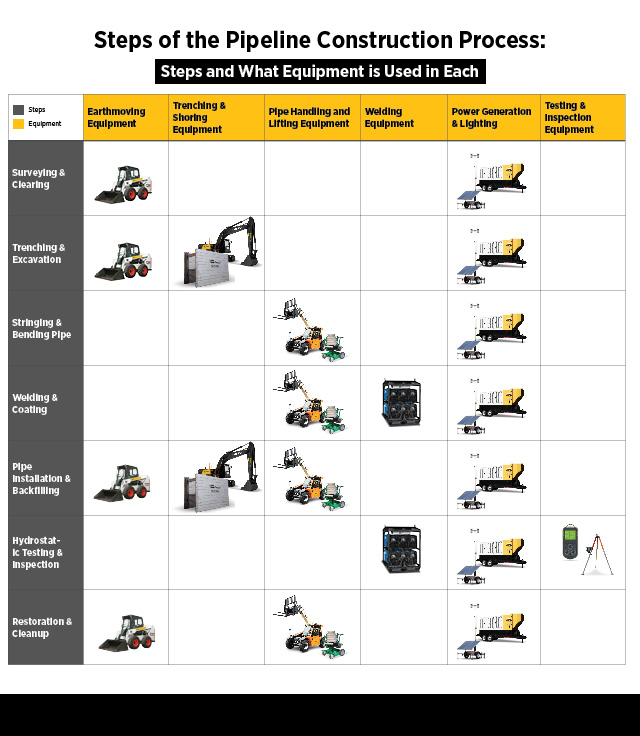
Steps of the Pipeline Construction Process
Every pipeline construction project is unique, shaped by regulations, terrain, soil conditions and the materials being transported. However, most pipeline construction procedures follow a similar sequence of steps from initial preparation to final restoration.
1. Surveying and Clearing the Right-of-Way
Construction begins with surveying and preparing the right-of-way, which is the designated path where the pipeline will be installed. Crews survey and stake the route, identify existing utilities and mark areas that require protection. Temporary access roads or pads may be built to support equipment in remote areas.
Clearing teams then prepare the work area by removing trees, brush, rocks and other obstacles. Topsoil may be stripped and stockpiled for later restoration. Erosion-control measures, such as silt fencing, help protect surrounding areas.
2. Trenching and Excavation
Once the route is prepared, crews excavate the trench where the pipeline will be installed. Trenchers, excavators and related equipment create a trench deep and wide enough to safely install the pipe while protecting its coating.
Depth requirements vary based on pipeline type, location, terrain and population density. In rocky or difficult ground, specialized drilling or blasting may be required to remove obstacles.
3. Stringing and Bending the Pipe
Sections of pipe are delivered to the right of way and laid out in sequence, a process known as stringing. Each section is manufactured to meet local requirements, with variations in diameter, strength and coating based on soil conditions, terrain and operating needs.
Pipe bending equipment is then used to create gradual bends that allow the pipeline to follow the natural contours of the land.
4. Welding and Coating
Pipe sections are welded together to form a continuous pipeline. Welding quality is closely monitored through non-destructive methods such as X-rays or ultrasonic testing to ensure welds meet safety standards. After welding, the pipe ends are cleaned and coated to protect against corrosion.
5. Lowering the Pipeline and Backfilling
After welding, coating and inspection, the completed pipeline segment is carefully lowered into the trench using specialized lifting equipment. Crews protect the pipe from damage before backfilling begins.
The trench is filled in layers, replacing soil in the proper order with subsoil followed by topsoil. Additional material may be added to complete the backfill and stabilize the area.
6. Hydrostatic Testing and Inspection
Before operation, pipelines undergo testing to verify strength and integrity. Hydrostatic testing uses pressurized water to identify potential weaknesses or leaks. Additional inspections and safety checks confirm the pipeline is ready for use.
7. Restoration and Cleanup
The final phase restores the work area as closely as possible to its original condition. Crews replace topsoil, restore drainage systems, repair affected roads or fences and complete surveys and documentation required by the pipeline operator.
| Step | Earthmoving Equipment | Trenching & Shoring Equipment | Pipe Handling and Lifting Equipment | Welding Equipment | Power Generation & Lighting | Testing & Inspection Equipment |
|---|---|---|---|---|---|---|
| Surveying & Clearing | x | x | ||||
| Trenching & Excavation | x | x | x | |||
| Stringing & Bending Pipe | x | x | ||||
| Welding & Coating | x | x | x | |||
| Pipe Installation & Backfilling | x | x | x | x | ||
| Hydrostatic Testing & Inspection | x | x | x | |||
| Restoration & Cleanup | x | x | x |
Essential Equipment You’ll Need for Pipeline Construction Projects
All pipeline construction projects require a wide range of solutions, from excavation equipment to specialized tools for lifting, welding, testing and safety. By matching the right equipment to each phase, you can help improve the safety and productivity of your site while keeping projects on schedule.
Earthmoving Equipment
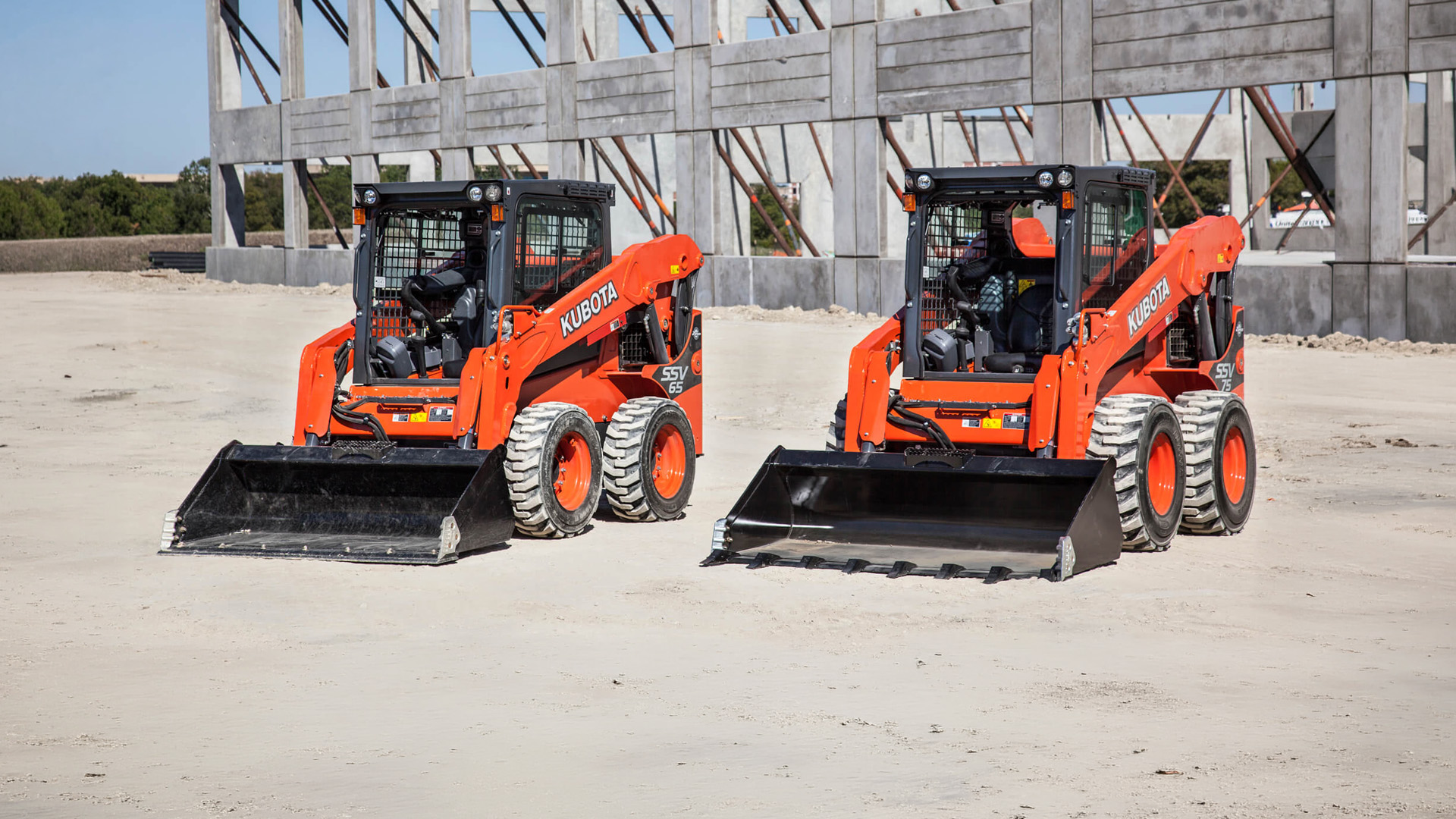
Earthmoving equipment helps prepare the right-of-way, move materials, remove obstacles and create a stable work surface for installation. Excavators, dozers, backhoes and wheel loaders are some of the most common types of heavy equipment for pipeline construction.
When to Use:
- Surveying and clearing the right-of-way
- Trenching and excavation
- Restoration and cleanup
Trenching and Shoring Equipment
Once the route is prepared, trenching and shoring equipment is needed to create a safe and properly sized trench. Trenchers, excavators, shoring systems and related safety equipment help crews install pipelines while protecting workers and maintaining efficient operations. In challenging terrain, additional equipment may be needed to remove rock or difficult soil.
When to Use:
- Trenching and excavation
- Pipeline installation
Pipe Handling and Lifting Equipment
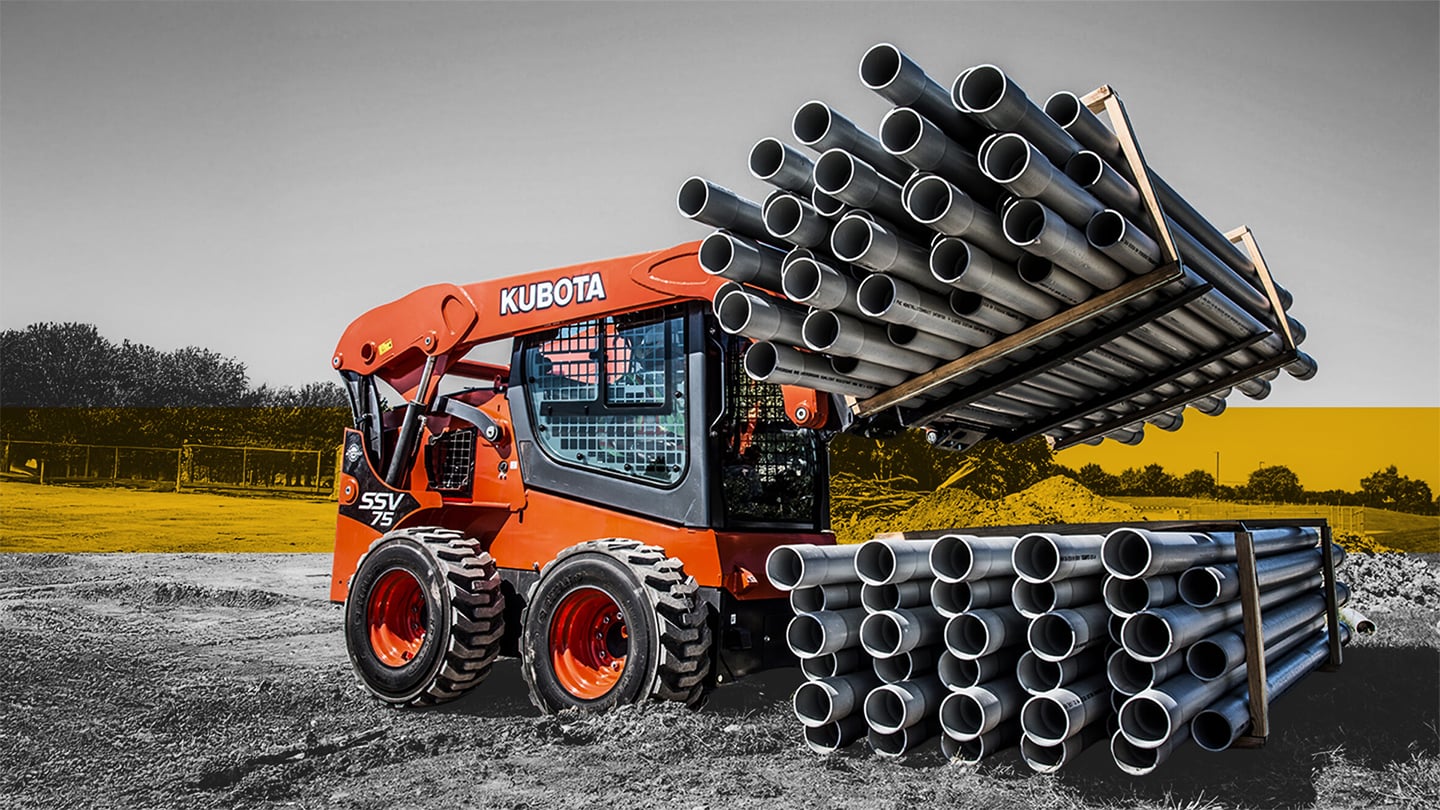
Pipeline sections are heavy and require specialized equipment to safely move, position and align them. Cranes, boom lifts and other material-handling equipment help teams place pipe sections accurately, which is critical for proper welding and connection.
When to Use:
- Stringing and bending pipe
- Welding and coating
- Lowering the pipeline
Welding, Lighting and Power Generation Equipment
Welding machines and power generation equipment provide the power and precision needed for making quality field welds. Additional equipment, such as light towers, helps crews maintain safe working conditions during extended or nighttime operations.
When to Use:
- Welding and coating
- Testing and inspection
- Power generation equipment and light towers may be needed across all stages of the project
Testing and Inspection Equipment
Pumps, gauges and other testing equipment help teams perform inspections, identify potential issues and confirm the pipeline meets safety requirements.
When to Use:
- Testing and inspections
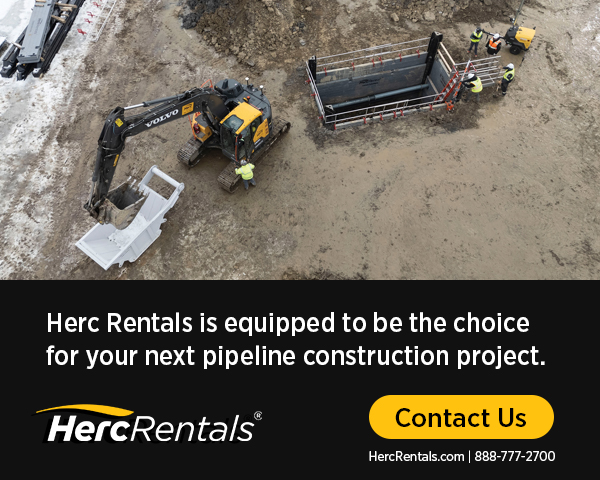
Partner with Herc Rentals for Your Next Pipeline Project
Whether your pipeline project involves oil, natural gas, water or wastewater, you’ll need a broad fleet of pipeline-ready equipment. Partnering with Herc Rentals can make the difference between staying on schedule or facing costly delays.
At Herc Rentals, we are your one-stop shop for all the equipment you’ll need. Our wide selection of heavy equipment, specialized tools and expert guidance support you throughout the construction process. From gathering lines and transmission projects to distribution upgrades, our team can help you identify equipment solutions that fit your project’s needs.
Explore our equipment fleet at Herc Rentals, or call 1-800-432-6215 to speak with a specialist today.