Last Updated on August 12, 2025
Using Load Banks Can Help Prevent a Loss of Power and Production Delays
A load bank is the most efficient, effective and accurate way to test a generator’s ability to handle daily demands of a facility’s power needs. This process identifies issues before a generator is needed in an emergency.
Electrical pros use load banks to keep a facility’s generator or backup power system running effectively, avoiding the costly and dangerous effects of losing power.
If you’re new to load banks and generators, this guide to load banks walks you through the four most important tips to know to make sure your backup power supply works when needed.
What Is a Load Bank? Why Is a Load Bank Important?
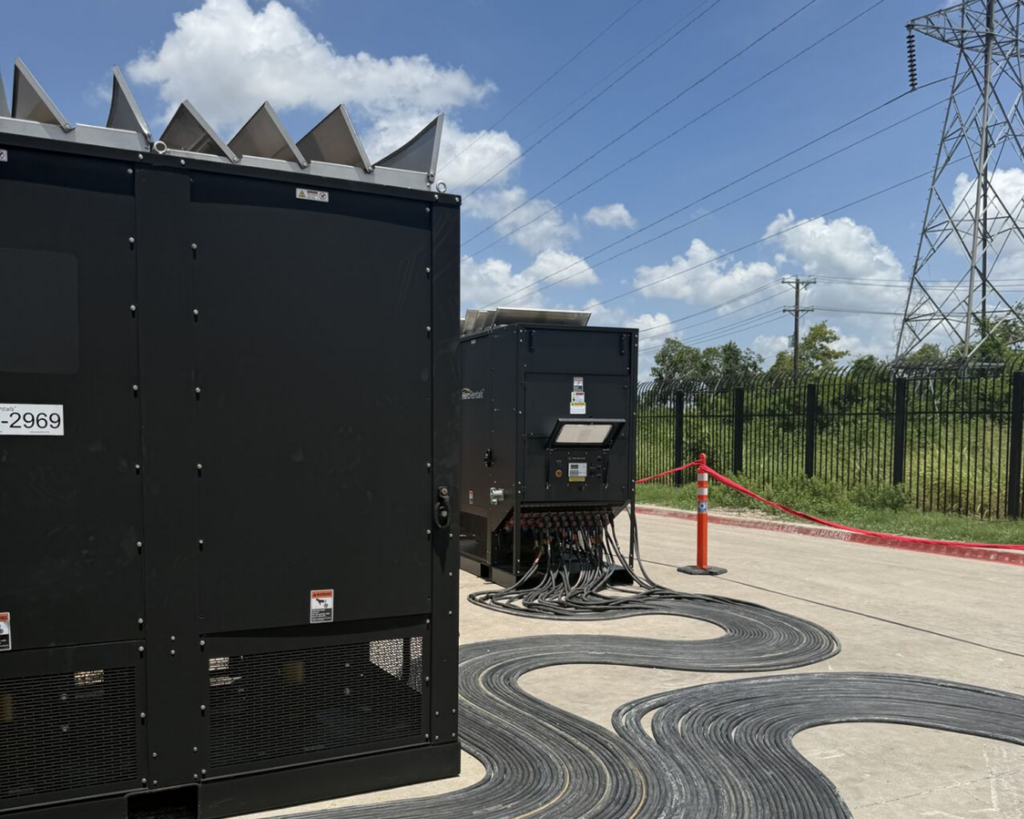
A load bank is a device hooked up to a generator or other power supply system. It’s purpose: to test the generator’s output capacities without connecting the generator to its normal operating conditions.
Load banks mimic, or simulate, an electrical load to predict and measure how a power source will perform. Load banks can simulate an energy draw when testing generators, turbines or uninterrupted power supplies.
Electrical contractors can prevent loss of power by using load banks to identify deficiencies in primary and secondary power sources before they fail. Any power loss can result in production delays, rising costs and the loss of human life during an emergency or disaster.
4 Things You Ought to Know About Load Banks
1. When to Use a Load Bank: Common Load Bank Uses
Load banks can test a variety of operating conditions in any industry that uses generators or other power supply systems. This includes:
- Oil and gas industries
- Data centers
- Hospitals and nursing homes
- Industrial and manufacturing facilities
- Any facility with standby power or a portable generator
All these facilities and industries may hook up load banks to ensure their power supplies are working properly. Load bank testing capabilities include:
- Quality Testing: Load banks are most commonly used to test a system to make sure it is working properly. During manufacturing load banks are used as quality control to ensure that systems coming off the line work properly. After installation, power systems are tested with load banks to ensure they’re working as intended.
- Wet-Stack Elimination: Load banks test diesel systems to ensure that the buildup of oils and grease don’t interfere with output.
- Generator Demonstrations: Load banks are also used to demonstrate capabilities of different generators and power systems in a sales setting.
- Data for Business Insights: Load bank data helps companies determine their maintenance needs and document processes for monitoring trends.
2. Different Types of Generator Load Banks and How They Work
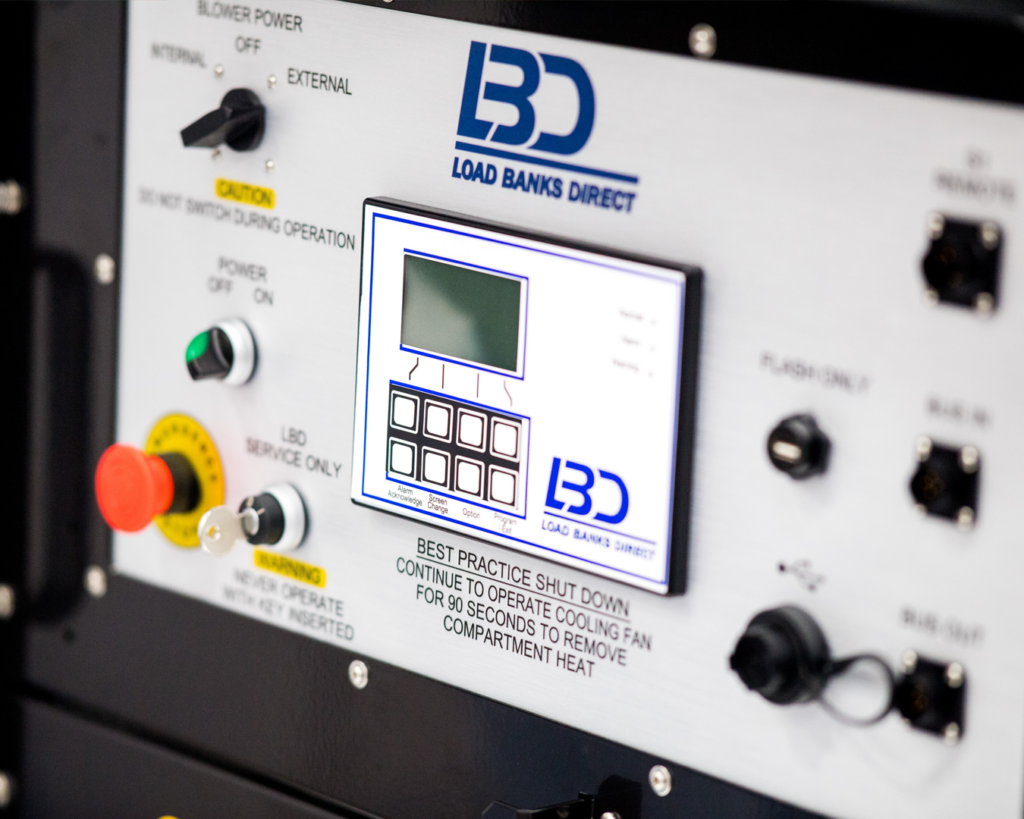
While all types test and measure how well a power source will perform, each have different testing capabilities. You can select the most appropriate type of load bank if you know what scenarios you could encounter.
- Resistive Load Banks: Resistive load banks are the most common type. They draw a designated power load in kilowatts (kW) from the generator to check safe operation of the cooling and heating system, exhaust, and engine. They mimic the load the generator produces in standard operation, allowing for testing 100% of a generator’s capacity by converting electrical energy into heat to mimic a resistive load scenario.
- Reactive Load Banks: Reactive load banks mimic more realistic operational loads by testing a generator using a lagging power factor. As a result, you can test reactive loads for sensitivity to voltage dips and test emergency generators to ensure they work at their full apparent power in kilovolt-amperes (kVA) rating.
- Inductive Load Banks: Inductive load banks create a lagging power factor load. When used with a resistive load bank, it can give a more realistic test of an entire system’s effectiveness. Inductive load banks use either air or an iron core to cause the current to resist changes, which means that the current lags the voltage.
- Capacitive Load Banks: Unlike inductive load banks (where current lags the voltage), with a capacitive load bank, the voltage lags the current. These load banks are less common but are great at simulating the non-linear loads of computer systems and telecommunications.
- Electronic Load Banks: Electronic load banks are programable but may come with a greater cost than other load banks. Used for automated testing, monitoring, and troubleshooting, they are the load bank of choice for critical infrastructure. For example, hospitals and telecommunications opt for these load banks.
3. How to Select the Right Load Bank
In general, the type of load bank you need will depend on the types of insights you want to get out of testing your generator or power system.
- Identify Capacity Requirements and Voltage Range: First, find out which options meet your capacity requirements and can handle the required voltage range.
- Consider the Equipment and What Data You Need: Consider the type of equipment you are testing and the data you need to get out of testing it. For example, testing a power system only used for emergency lighting requires a simple system under stable conditions. However, testing a power system for critical infrastructure with an array of delicate electronics and a variety of possible power inputs can be difficult. It will likely require precise measurements under a wide range of conditions. In complex situations, it may be necessary to combine multiple load bank systems to perform all the necessary tests.
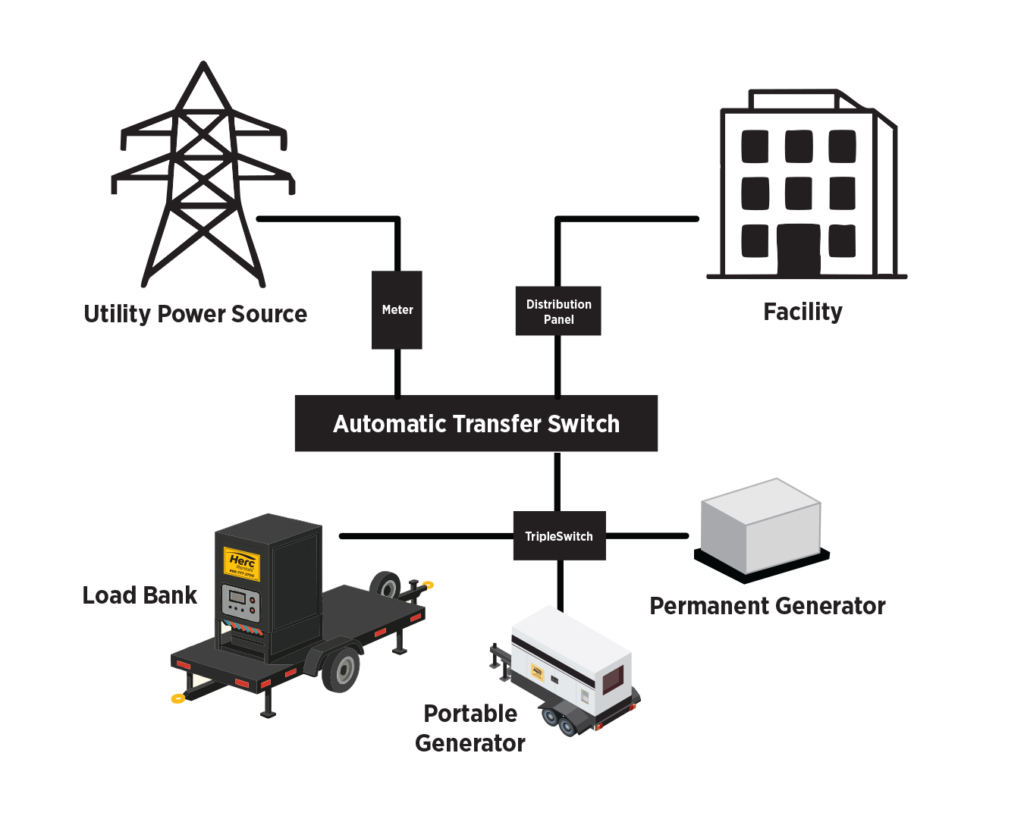
- Consider When and How It Will Be Used: Will the load bank need to be temporary or permanent? If the load bank is only needed temporarily or needs to be moved to multiple sites, it is important to select a portable load bank that will be easily deployable in multiple situations.
4. Load Banks Are Key to Annual Generator Maintenance
Deploying load banks to test generators at their full kW rating ensures the generator can produce the highest output. Load bank testing should be considered a part of your annual maintenance routine. Treating it as such safeguards against performance issues and ensure overall functionality.
When load banks are used to test generators annually, facility and operation managers can prevent underloading. When generators are run on lighter loads, unburnt fuel and soot can build up in the generator’s exhaust system and become a fire hazard or even cause the generator to fail. Testing at full capacity and temperature burns the unused fuel and removes the risk of a breakdown or safety hazard.
- Learn More: Overview of NFPA 110 Standard for Emergency and Standby Power Systems from the National Fire Protection Association
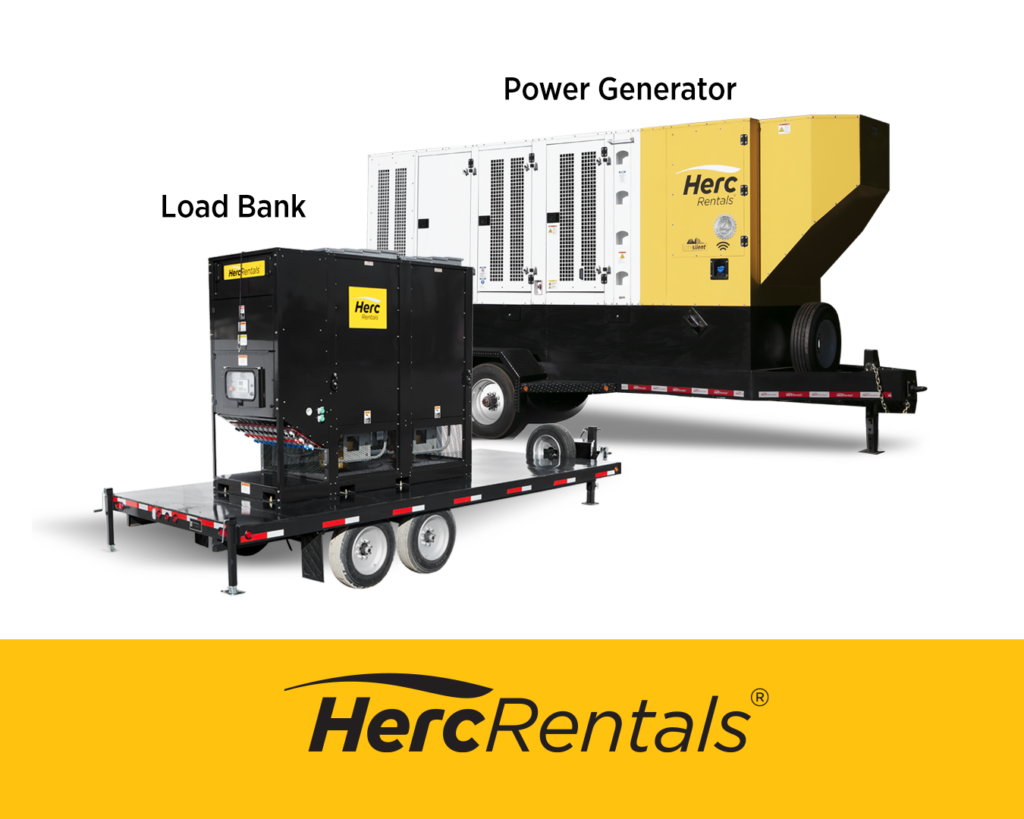
Herc Rentals Fuels Your Power Generation Solutions
As you learned in this load bank guide, load banks are a must if your facility or project requires power continuity. With individual load banks rated from 125 kW to 3,000 kW, Herc Rentals offers a wide range of load bank solutions sure to meet the demands of any power supply testing application.
Whether you need a lightweight, portable load bank for indoor use or a trailer-mounted load bank for outdoor applications, our selection is ideal for regularly scheduled maintenance testing and commissioning mission-critical standby power systems.
Explore all Herc Rentals power generation solutions, including load banks for rent, or contact a power solution expert today.