Last Updated on October 13, 2025
We’ve all been there. One moment everything is running smoothly in your building or at your jobsite. Then, all of a sudden… thunk! The power goes out and everything screeches to a halt. Data is lost, equipment shuts down and people can’t do their jobs, which means your organization is losing time and money. The results can be catastrophic, especially for places like hospitals and grocery stores where lives and food supplies are at risk.
If you have a sneaking suspicion that the power has gone out more often than in the past, you’re right. More frequent heat waves, stronger storms, and more demands for power are pushing our aging electrical infrastructure to its limits.
To keep operations running without interruption, emergency or backup power supplies are becoming increasingly necessary. And it’s not just existing buildings that need extra power. People and projects in rural or remote locations need to provide power to their teams, too.
The best solution is to provide backup power with a generator. But what type of generator is right for your project? In this article, we’ll compare portable versus standby generators and the pros and cons of both, so you can make the best choice for your building or project.
Portable Generator Versus Standby Generator: What’s the Difference?
There are two main generator options for providing power to a worksite or a building when the power goes out or electricity is otherwise inaccessible: portable generators and standby generators.
Portable Generator: Temporary and Versatile
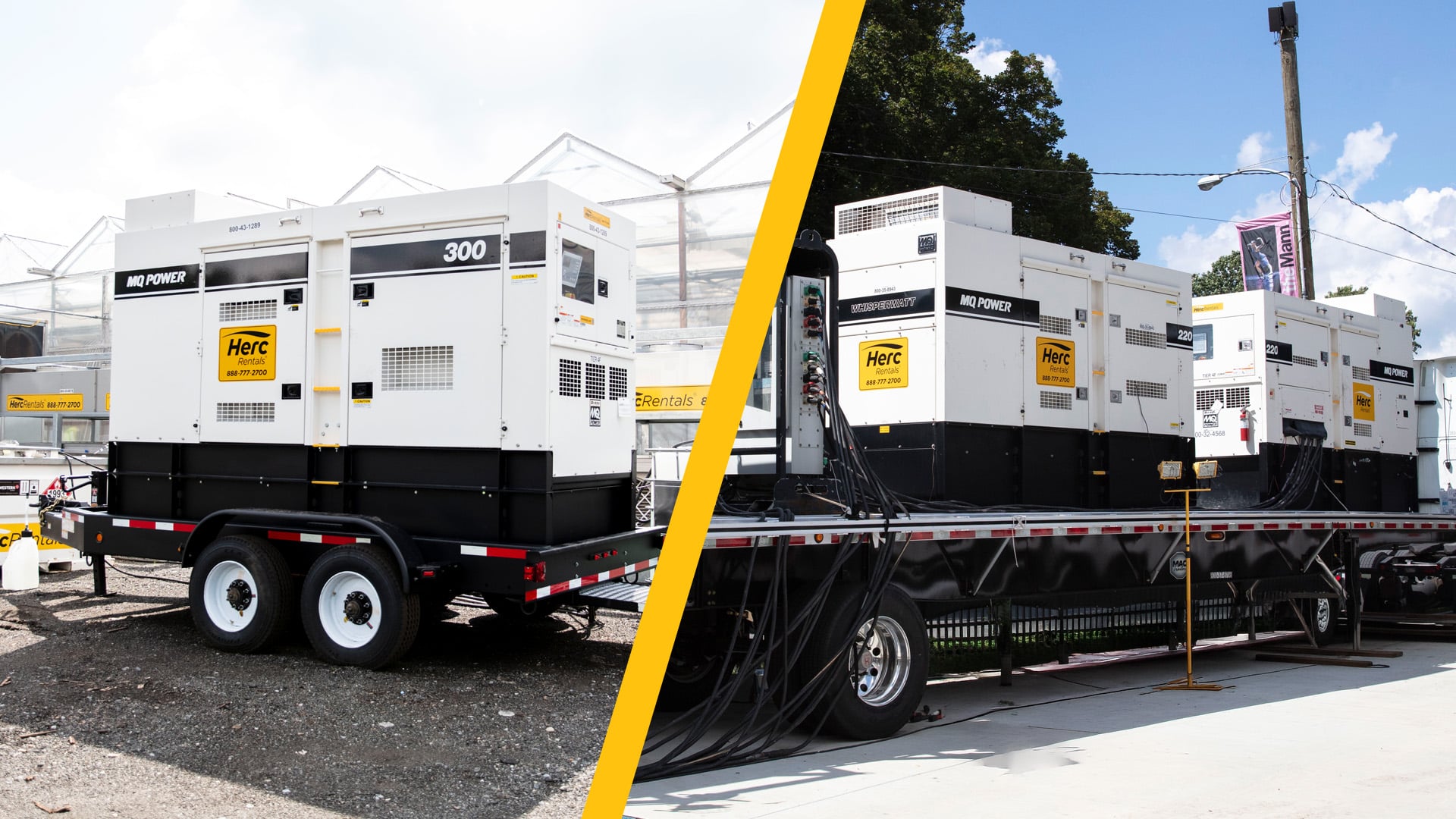
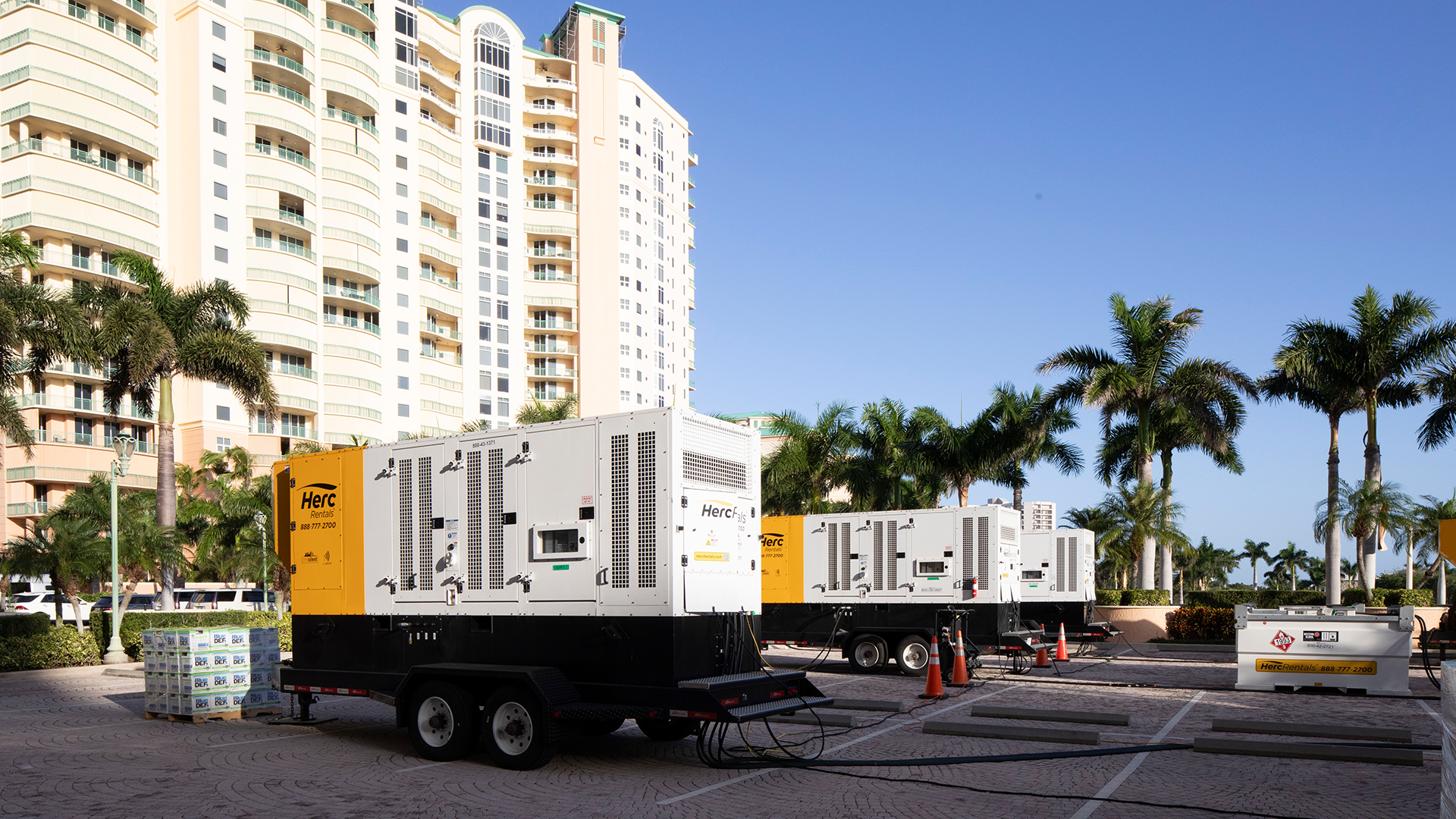
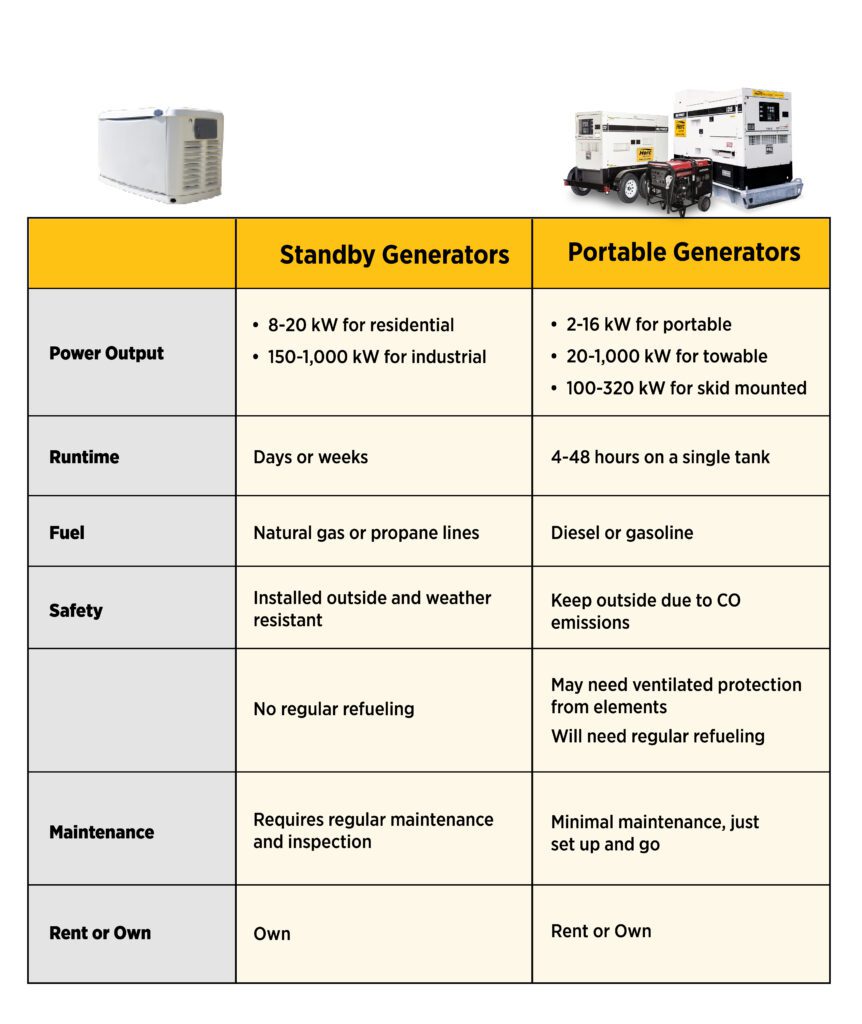
Portable generators are transportable generators designed to provide backup or temporary power in a variety of locations. These generators create power by turning gallons of diesel fuel or gasoline into electricity. They come in a variety of sizes and can be transported on a vehicle, towed to a site or delivered on a skid steer.
- Read more: Things to Know When Towing a Generator
This means you can move them around as needed to power multiple items for a few hours. You could also set them up outside of a larger site or building and power multiple systems for a few days whenever it’s needed.

Standby Generator: Permanent Access to Power
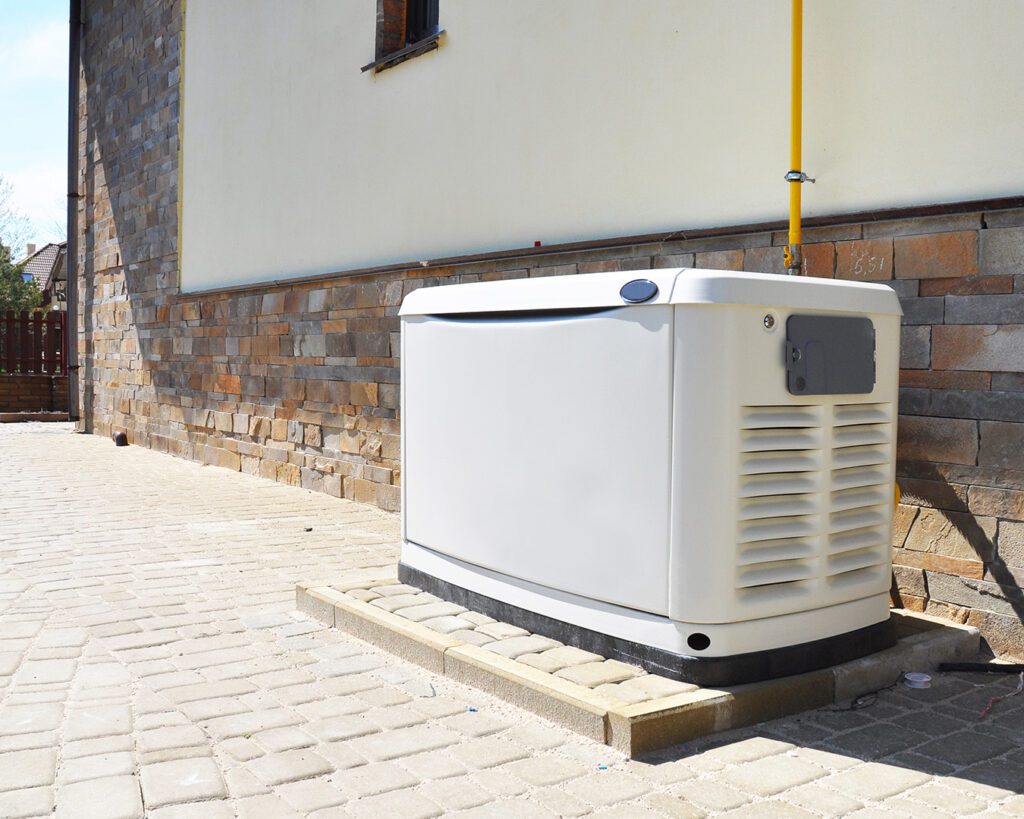
A standby generator is a permanent generator that is professionally installed outside of a building and is generally hooked up to a natural gas line or a propane line. They then convert the natural gas or propane into electricity. These permanent fixtures turn on automatically when the power goes out, and they can keep an entire warehouse, grocery store, medical facility or other building running for days or weeks.
Now that you have a basic understanding of the differences between a portable generator and a standby generator, let’s take a closer look at the pros and cons of each.
- Learn about working with generators with these OSHA Fact Sheets:
Pros and Cons of Choosing a Portable Generator
Pros: Versatile and Easy to Use with Minimal Costs
- Portable backup generators are easily transported by hand or by vehicle, as wheel-mounted generators could be towed. These types of generators allow you to provide power to remote locations or just at your convenience when you need it.
- There is no permanent installation required and minimal ongoing maintenance. (If the generator is rented, you don’t have to handle maintenance at all.) They are easy to set up and turn on.
- Low upfront costs and options to rent are perfect for budget-conscious short-term or occasional power needs, such as a remote project or during a storm.
- Portable models come in a variety of sizes and power outputs, allowing you to power just a single piece of equipment or multiple systems.
- Even if you have a standby generator, identifying an equipment rental provider to have as an additional backup plan to provide portable backup generators can ensure power continuity.
Cons: Shorter Runtimes and More Refueling and Safety Considerations
- Jobsite portable generators often have lower power outputs and runtimes than standby generators, limiting how many systems can be used or for how long.
- Frequent refueling is required if power is needed for an extended period. This could mean you’ll need to store high quantities of diesel or gasoline, or you’ll need to make frequent trips to a gas station.
- You are not set up for immediate power should you need it in a moment’s notice.
Pros and Cons of Choosing a Standby Generator
Pros: Automatic Long-Running Power with No Refueling
- Standby generators don’t need to be set up every time the power goes out. They are permanent fixtures designed to deliver dedicated power to a building or system(s).
- You are positioned to be proactive with emergency power. While a reliable equipment rental provider can service your needs quickly, a standby generator allows for your mission-critical systems to stay on and in use without any downtime.
- With standby generators, fuel management tasks are less frequent because you already have a fueling system in place for power continuity.
- Their automatic transfer switch means they turn on automatically when power goes out, and they can operate continuously for days or weeks at a time.
Cons: Less Versatility and Higher Costs
- Standby generators have higher upfront costs plus ongoing costs for maintenance and inspections than portable generators.
- Additional costs for contractors may be needed for installation, including installing fuel lines and concrete pads.
- Regular inspections and maintenance (at least annually) are required to ensure that the unit is running efficiently and safely.
- Standby generators cannot be transported to another area or building, so additional generators may still be needed if the standby generator can’t power a site sufficiently.
How to Choose Between a Standby or Portable Generator
Let’s assume that your jobsite or facility has access to natural gas or propane lines for a standby generator and the ability to store enough of the fuel source needed for a portable generator. How do you pick between the two?
Consider what you need electricity for, why and how often you’ll need backup power, and the logistics of your operation, including safety needs and budget.
Calculate How Much Power Output You Need and For How Long
First, make sure the generator’s runtime and power output will meet your needs.
Identify all the equipment and systems that are necessary to keep your operations running efficiently and safely. This can include lights, equipment, security and computer systems, and appliances like refrigerators, heaters, or air conditioners.
Add up how many watts (W) or kilowatts (KW) are needed to start and run each item. For example, lights typically need 60 to 200 watts to start and a consumer-grade refrigerator about 600 watts. This will tell you how much power output (kilowatts) a generator needs to have.
Then estimate the runtime, or how many hours you’ll need to power these items with a generator.
Make sure the generator has a power output higher than the total watts you’ll need, and a runtime longer than you expect. No generator can run at full capacity 100% of the time and you should always factor in potential delays in restoring regular power. Industrial portable generators may provide more power output than standby generators, but standby generators typically have longer runtimes since they don’t need refueling.
Consider Your Safety and Operation Needs
Next, consider the conditions in which you’ll need temporary power. If you need power during long-running and dangerous storms, a standby generator may be best as it may be unsafe to keep a portable generator refueled and out of the elements while still ensuring proper ventilation.
However, if you need temporary power for a special event or during construction, a portable generator can be the versatile, budget-friendly option that frees your operation from doing ongoing maintenance and inspections.
Understand Your Budget and Project Requirements
Since they are permanent fixtures, standby generators often come with a higher price than portable generators. They have more upfront and ongoing costs due to their more complex installation and need for regular maintenance.
Portable generators, on the other hand, don’t require additional contractors to install natural gas lines or concrete pads for installation. With a portable generator, you have the ability to rent it as needed for any project, eliminating the ongoing costs of ownership and maintenance.
Rent Reliable Backup Power from Herc Rentals
Delivering reliable, temporary power to a construction site, special event, or your facilities requires careful planning and consideration to ensure that your operations continue running efficiently and you don’t go over budget.
At Herc Rentals, we know that every project and site is unique. That’s why we have power experts ready to walk through your job with you and help you find solutions to address all your power needs, and our emergency generators and electric distribution equipment are ready to go when you need them most.
Explore Herc Rentals backup power generation solutions, or give us a call at 1-800-432-6215 to talk with a power expert today.