Last Updated on August 18, 2026
Construction falls are one of the top causes of serious injuries and deaths in the industry. Every year, crews get hurt or die from falls that could have been prevented with the right plan and the right gear, according to OSHA.. That is why construction fall prevention needs to be a top priority on every jobsite.
Events like OSHA’s National Safety Stand-Down to Prevent Falls in Construction provide an opportunity for employers to speak with their employees about the dangers of falling. These events can be performed at the workplace or workers can attend these OSHA fall protection training events.
The goal of this guide is simple. It will help you understand the rules, choose the right equipment, and build a safer project site for your crew and others in the area.
Preventing Falls in Construction Work
Construction sites are full of hazards and conditions that make it easy for someone to lose their balance or slip and fall, even when they’re being extra careful. A fall can lead to a serious injury that can be devastating to your crew members. Injuries and accidents are serious enough on their own, but they can also impact a project in other ways such as costly delays and increased financial liabilities.
Preventing falls in construction starts with knowing the rules and taking preventative measures before work begins. Good planning, proper training and reliable fall protection equipment all work together. When you understand the fall protection requirements and apply them on your site, you reduce risk and protect your team.
This article will help get you started, but it is not a substitute for OSHA training. Always consult the official OSHA website and regulations for complete and up-to-date compliance information.
When Is Fall Protection Required in the Construction Industry?
Many contractors ask this exact question. OSHA has clear fall prevention guidelines that contractors must follow. These OSHA fall protection standards explain when protection is required and what systems can be used.
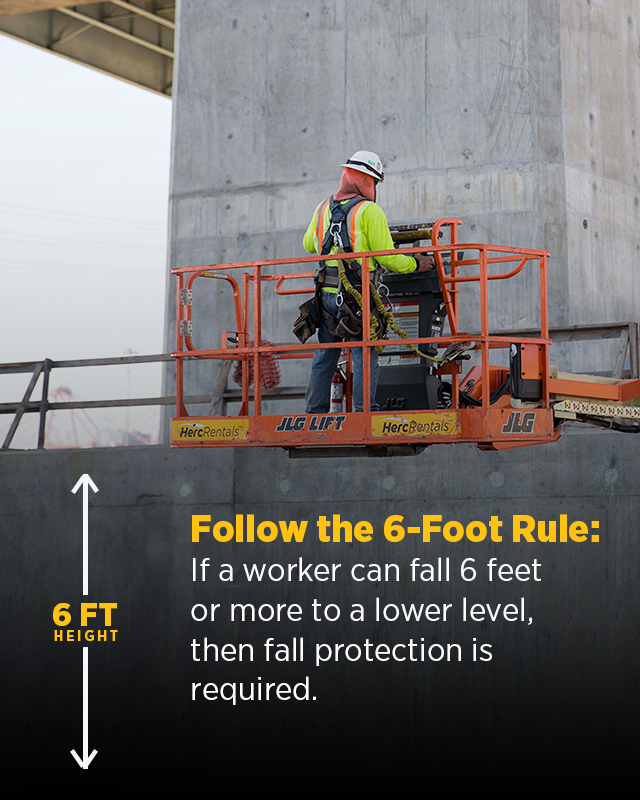
In most cases, OSHA follows what is known as the 6-Foot Rule: If a worker can fall 6 feet or more to a lower level, then fall protection is required.
This rule applies to many tasks throughout a construction project, including roofing, working on scaffolding and working near open edges. Fall protection standards may also have special rules for certain trades, like steel erection work. Always review the specific requirements for your project so you stay compliant and keep your crew safe.
Essential Fall Protection Equipment
There are different types of fall protection equipment, and each one has a different use case. Choosing the right fall protection equipment depends on the task and the site conditions. For example, roofers need fall protection equipment that allows them to move quickly around a slanted surface so scaffolding with guardrails may not be the best option.
Aerial Lifts
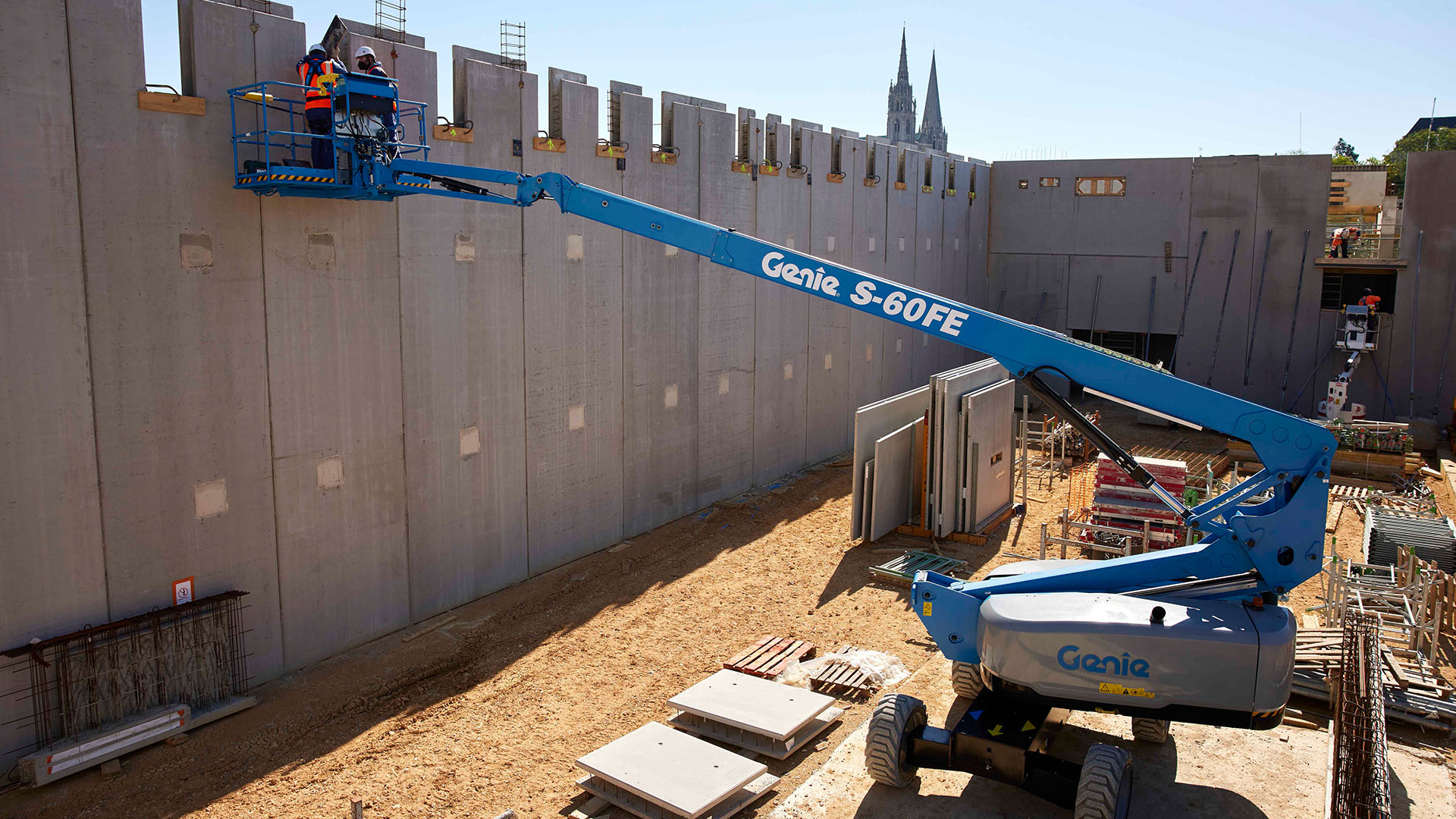
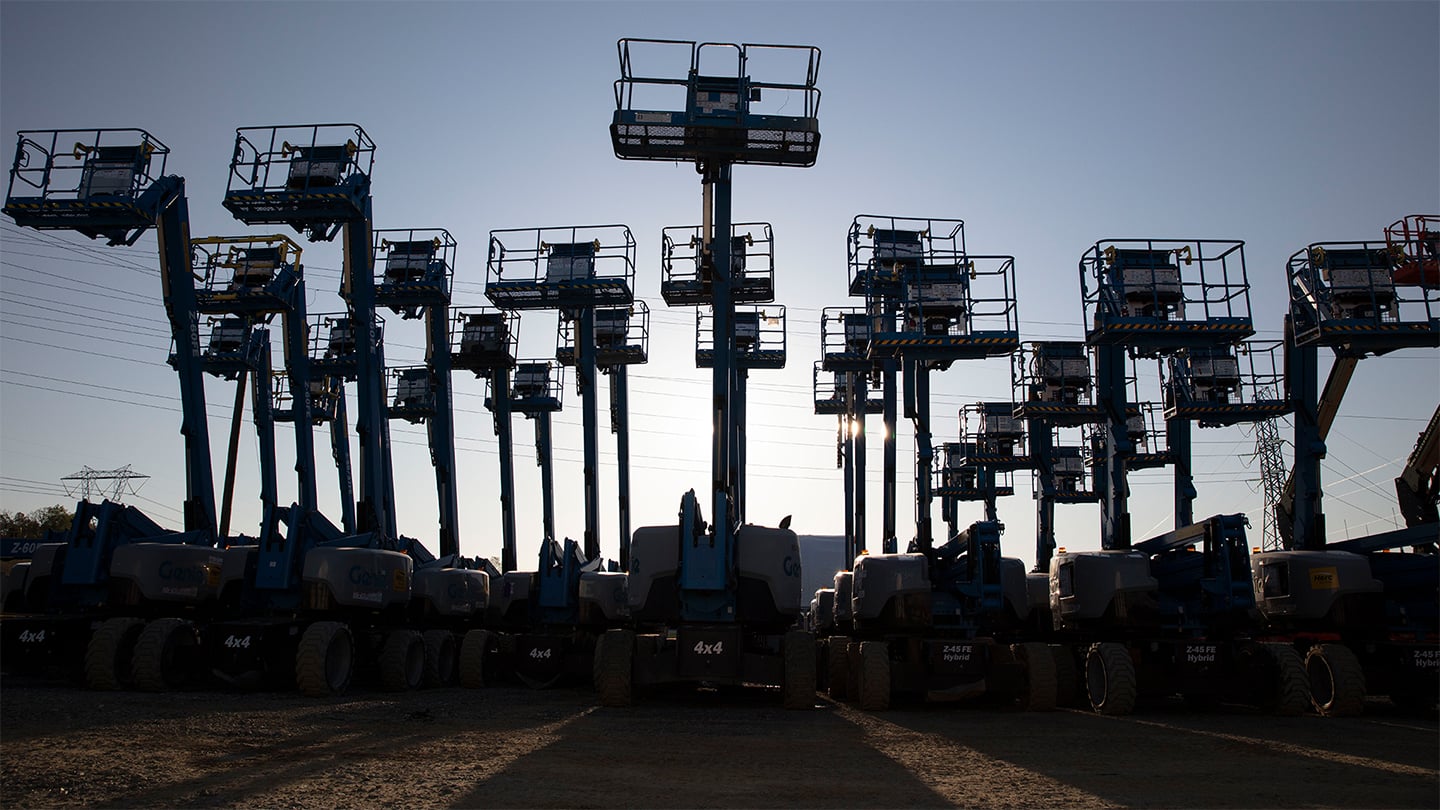
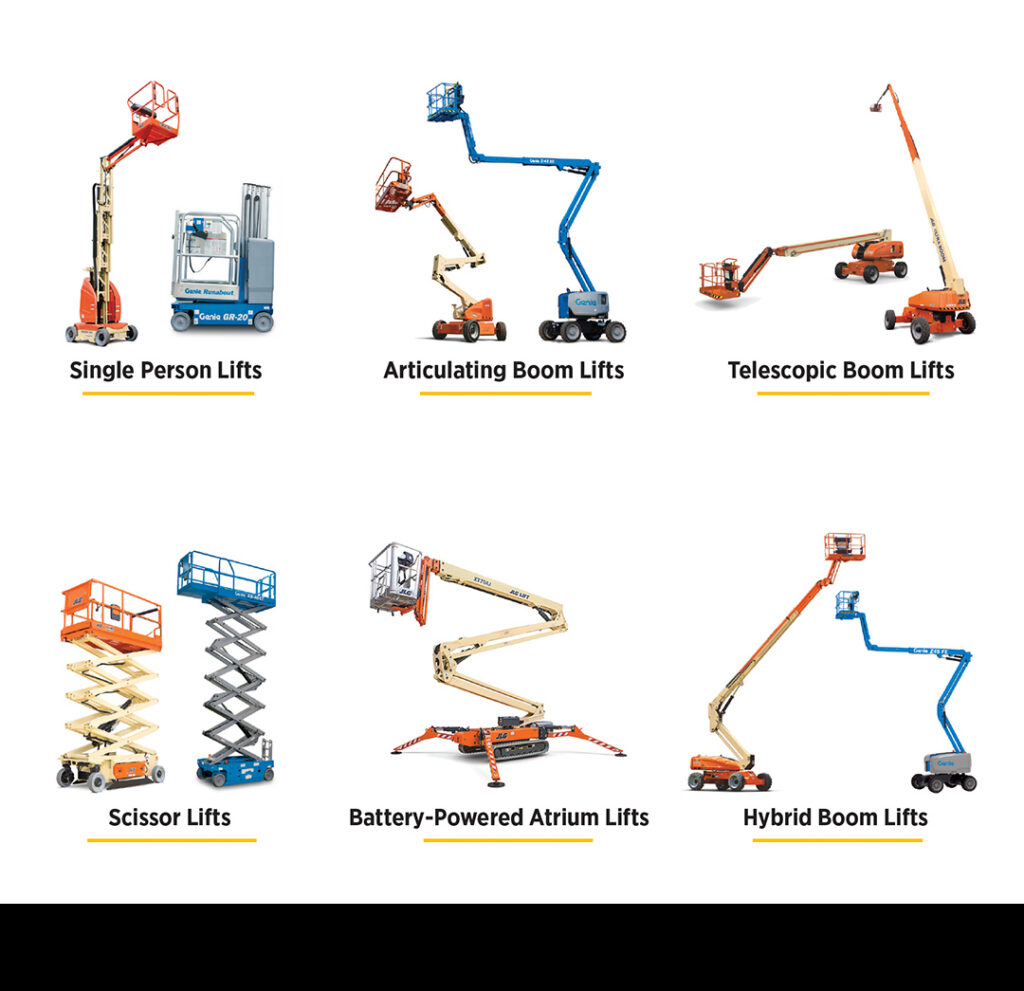
Aerial lifts are mobile elevated work platforms (MEWPs) such as scissor lifts, boom lifts and bucket trucks. Using aerial lifts can be safer than ladders for many tasks where workers need to adjust their position regularly. Unlike ladders, aerial lifts provide larger, more stable platforms and guardrails. Plus, the base often has outrigging that enhances stability, reducing the chance of a tip over.
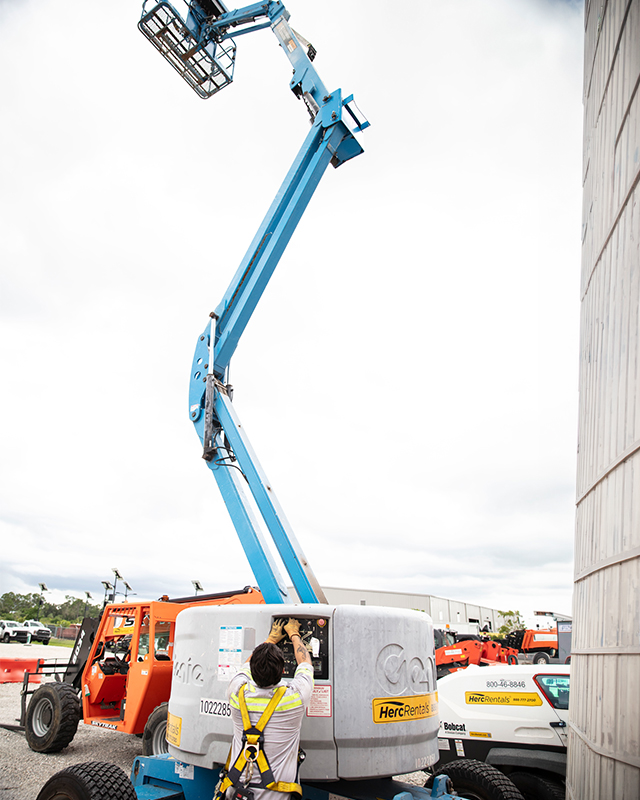
Workers still need to properly tie off (or attach their harnesses to the lift) when required. Also, aerial lift operators must have more certification and training than those who use scaffolding.
Scaffolding
Scaffolding is a good option for workers who need steady access to higher areas for longer periods. To help prevent falls, scaffolding must be set up correctly and inspected often. Guardrails, proper planking and safe access points are key to meeting fall protection requirements.
Personal Fall Arrest Systems (PFAS)
A personal fall arrest system includes a full body harness, a lanyard or lifeline, and a secure anchor point. This is one of the most common types of fall protection. It stops a worker from freefalling more than 4 to 6 feet. This system also reduces the force on the body.
Fall restraint systems are similar but are designed to prevent workers from reaching the edge in the first place.
Personal fall protection systems should be used, at minimum, whenever there is a risk of falling 6 feet or more to a lower level. This includes when using scaffolding or lifts with guardrails. All fall protection equipment for construction must be inspected before each use, and it must be strong enough to comply with OSHA personal fall protection system standards.
Guardrail Systems and Safety Nets
Guardrails and safety nets are considered passive protection from falls. They protect workers without necessarily requiring them to attach a personal fall arrest system. Guardrails help prevent falls in the first place, while safety nets are designed to catch a worker if they fall.
Guardrails and safety nets are often installed around floor openings, roof edges and the edge of elevated platforms. OSHA guardrail requirements include specific height and strength standards depending on where and how the guardrail and/or net will be used.
Keep in mind that guardrails and safety nets may need to be used in conjunction with other fall protection equipment. For example, when renting an aerial lift, the lift will likely already be equipped with permanent guardrails around the work platform. Workers may still need to use a personal fall arrest system in some cases, such as when guardrails are removed to allow materials to be delivered to the work area.
Fall Prevention Strategies for Different Sectors
Different sectors face different risks when it comes to construction falls. A one-size plan does not always work. Use the tips below to create a custom fall prevention strategy for your unique project.
Residential Construction
What Are the Fall Risks?
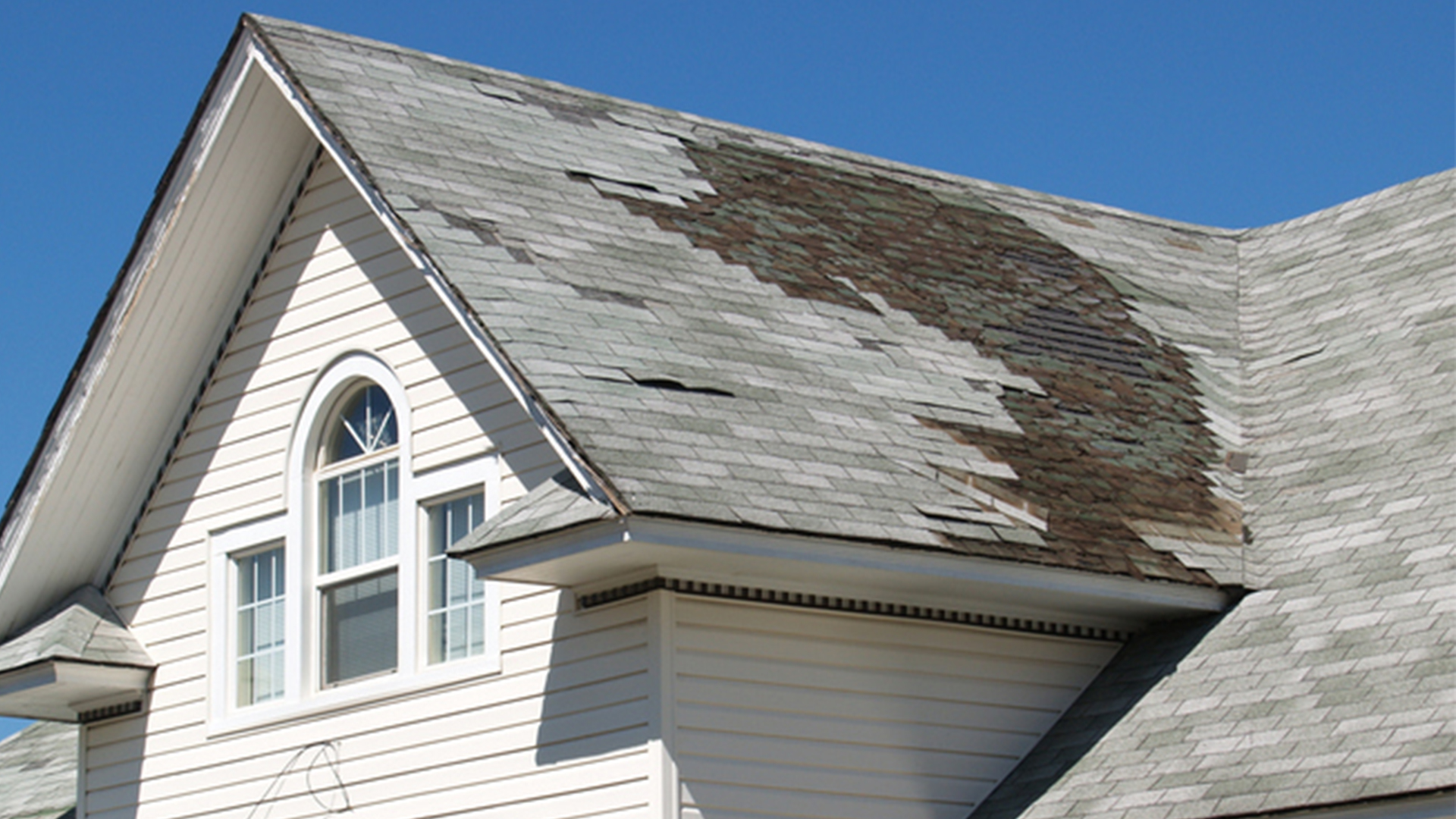
Residential construction crews work on sloped roofs and unfinished structures less than 40 feet high, but they may also work on high-rises dozens of stories into the air. Working on a one-story building can easily exceed the 6-Foot Rule, making fall prevention equipment necessary. Residential construction also moves quickly, so workers need solutions that don’t hinder their mobility but still keep them safe while working in hard-to-access areas.
Fall Prevention Strategies:
- Plan safe access points and make sure all workers use them.
- Install temporary guardrails and roof brackets.
- Provide personal fall arrest systems for anyone working in an area higher than 6 feet from the ground (roofs, attics, upper-level window installations).
- Rent bucket trucks for mobile work platforms on the exterior.
- Rent scissor lifts or atrium lifts for interior work, such as installing a vaulted ceiling.
Commercial Construction
What Are the Fall Risks?
Commercial projects often exceed a single story, meaning they can far exceed the 6-Foot Rule. In addition, these sites often involve steel erections, concrete decks and multiple trades working at height. A larger workforce means more chances for accidents as people get in each other’s way. You’ll need to ensure everyone clearly communicates and leaders strictly enforce fall protection standards. Large sites should assign a safety lead to monitor fall hazards daily.
Fall Prevention Strategies:
- Ensure clear communication between and within work groups.
- Ensure strict adherence to OSHA and other safety standards for anyone on site.
- Assign a safety lead with authority over all work groups.
- Provide personal fall arrest systems for anyone working in an area higher than 6 feet from the ground.
- Build scaffolding or rent equipment like aerial lifts with proper safety systems.
Roofing
What Are the Fall Risks?
Roofing work has a high risk of falls. With long hours, inclement weather and lots of tools, it is easy for accidents to occur during roofing work.
Safety nets, guardrails, warning lines and personal fall arrest systems can all be used. The right setup depends on roof height and slope. Preventing falls in construction roofing projects requires daily inspections and constant awareness.
Fall Prevention Strategies:
- Equip all roofers with personal fall arrest/restraint systems. Inspect them daily for wear and damage.
- Install safety nets, secure anchor points, and guardrails.
- Use warning lines to help roofers avoid stepping where they shouldn’t.
- Keep all equipment not in use in one location to help prevent tripping.
How to Create a Construction Fall Prevention Plan
No matter which type of construction project you’re working on, make sure your team has a comprehensive fall prevention plan.
- Identify all possible fall risks: Walk the site and look for edges, openings and areas where workers will be at height.
- Review all safety standards and other fall protection requirements that apply to your project.
- Create a written safety plan that includes where falls are most likely, what fall protection equipment to use, and what to do in the event of a fall or other accident.
- Assign someone to oversee safety. This person will be responsible for ensuring that all safety equipment is working properly and that everyone on site follows safety protocols.
- Inspect equipment daily. Make sure all fall protection equipment is available to everyone and in good condition.
- Make sure you have all the right equipment to safely work at height. Work with a reliable equipment rental provider to select lifts with ample safety features.
- Train your crew on the types of aerial lifts and fall protection systems they will use. Your equipment rental provider should be able to provide training and certification support.
A strong plan makes preventing falls in construction much easier and more consistent.
Trust Herc Rentals for High-Quality Equipment and Safety Training
Having the right equipment and training makes all the difference. Herc Rentals offers a wide range of fall protection equipment for construction, including aerial lifts and other elevated work platforms. Renting quality equipment helps you stay compliant and protect your workers.
Herc Rentals also provides safety training programs, including fall protection and aerial lift safety training. When your crew understands how to use fall protection equipment correctly, you reduce risk and improve jobsite confidence.
Browse the full fleet of equipment and learn more about available training programs. Or call 1-800-432-6215 to speak with a rental expert and get help choosing the right solutions for your project.