Last Updated on August 12, 2026
Government agencies and companies are racing to make the most of the AI boom. This demand for AI and cloud computing is driving explosive growth in the number of data centers. There are already thousands of data centers in North America, and that number is rising.
Data center energy needs are immense. The energy infrastructure needs to keep up. For the first time in decades, the U.S. is seeing a massive rise in total energy consumption, in large part due to data centers. In 2024, data centers used about 183 terawatt hours (TWh) of electricity, and that figure is expected to rise to over 400 TWh by 2030.
Without a robust and reliable energy infrastructure, data centers will be forced to move elsewhere. And the demand for data centers isn’t the only driving force for upgrading our energy infrastructure. Aging components plus a growing number of natural disasters have caused major power outages that highlight the urgent need for infrastructure upgrades.
For contractors in the energy sector, this unprecedented demand means unprecedented opportunities. In this guide you’ll learn about the impact of data center construction on our energy infrastructure and how you can help support this critical build-out.
The Data Center Boom’s Impact on U.S. Energy Infrastructure: 3 Challenges to Solve
Without data centers, our modern, interconnected economy would not be possible, even before the rise of generative AI tools. Data centers are the powerhouse of the internet. These large facilities house the physical servers and equipment that makes the internet function. For example, when you save something to “the cloud,” that file is actually being saved on a server in a data center instead of on your own computer.
The impact of the data center boom on our energy infrastructure is enormous. As the demand for data centers grows, so too does the need for energy infrastructure construction projects.
Each infrastructure project needs to help address three main challenges facing our current electric grid.
Data Centers Are Power-Hungry
Data centers are categorized based on how many servers they contain. Hyperscale data centers are the largest, housing 5,000 or more servers within a single facility. Hyperscale data centers have the storage and processing power to run advanced AI models, cryptocurrency mining and large-scale cloud computing for multiple businesses. And, like all data centers, they are power-hungry.
According to Pew Research, in 2024, data centers in general consumed 4% of the electricity in the U.S. By 2030, they are expected to account for about 12% of our country’s electricity consumption. A hyperscale data center can easily consume more energy than 100,000 households.
Why do data centers need so much more electricity than other facilities? There are three reasons:
- Servers need a lot of power to store and process data. The majority of electricity consumed goes toward running the servers.
- Electricity runs the cooling equipment that keeps servers from overheating. Servers generate a lot of heat, which can destroy the computer chips and other components if the servers overheat. Cooling systems, which include extensive water infrastructure, use a lot of electricity to run.
- Extensive security systems need power, too. Data centers contain sensitive data, like financial information, that could grind our economy to a halt if the servers are compromised. Each data center needs security systems and backup servers to keep data protected.
The Existing Power Grid Is Strained
The immense power requirements of data centers put additional strain on an aging and already overworked power grid.
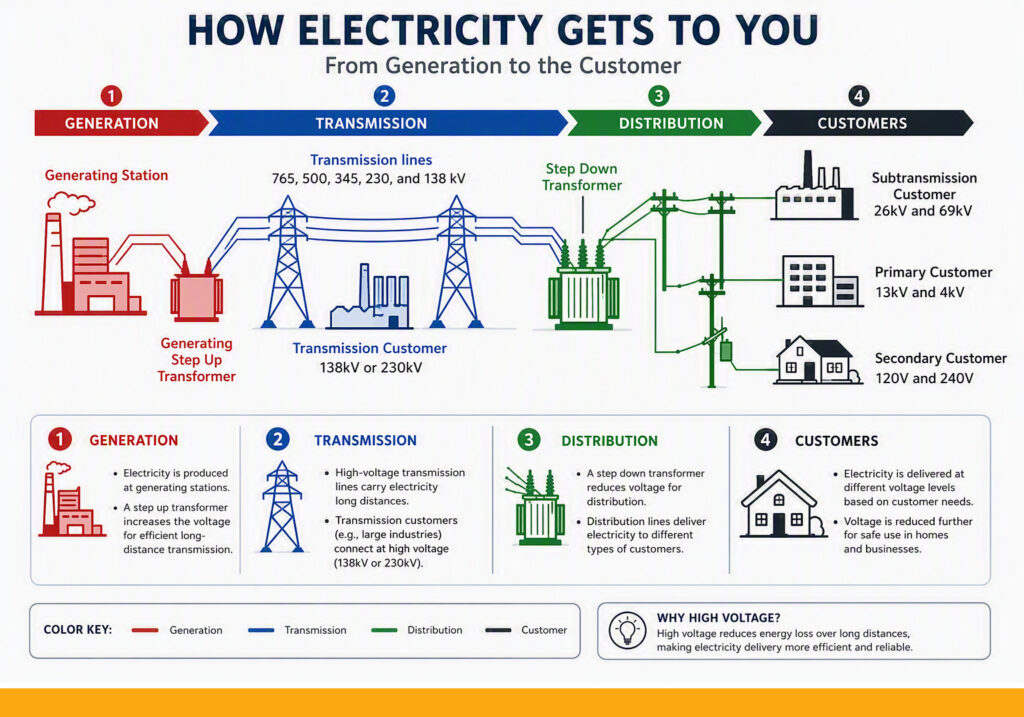
In the U.S., the electrical grid is like a patchwork quilt of power sources and transmission lines that were built to meet the demands of the local area. In some areas, the power grid infrastructure is simply too old and insufficient to supply reliable power to data centers as well as local residents and businesses without massive upgrades. The existing grid is also under pressure from severe weather and ever-changing environmental and economic priorities.
For example, weather caused 80% of major power outages between 2000 and 2023. Additionally, as of 2024 more than 40% of the electricity that data centers used came from natural gas, which is a fossil fuel. Like all fossil fuels, natural gas can be vulnerable to supply disruptions or strict carbon emission standards.
As utilities work to make the grid more resilient against these pressures, they also have to increase the grid’s capacity to accommodate data centers’ power demands. Unfortunately, upgrading the grid can take years. If an area can’t upgrade their grid fast enough, they may lose out on the economic benefits data centers can bring.
The Data Center Power Infrastructure Is Different
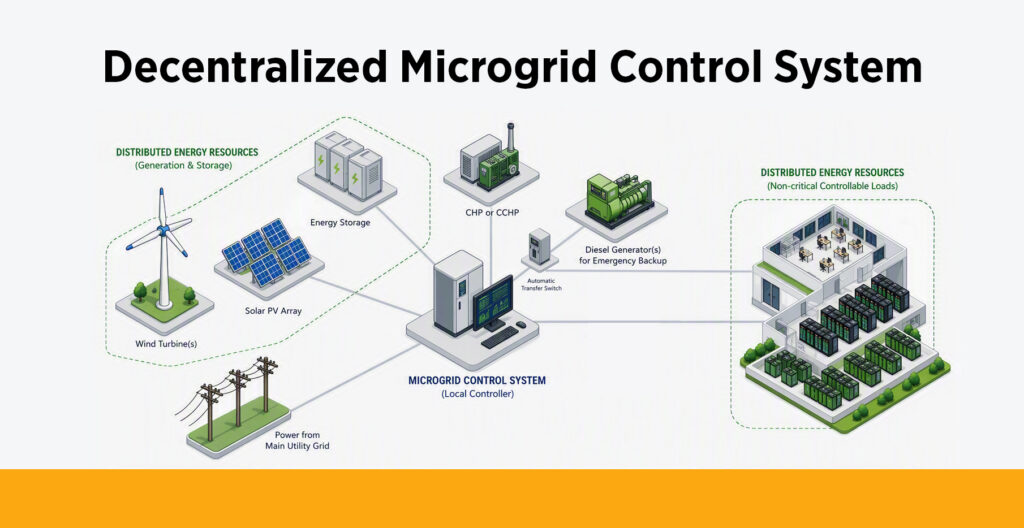
Lastly, the energy infrastructure needs of data centers are different from other industrial and commercial facilities. Not only do data centers need a lot of energy, they also need uninterrupted power. This means they need generators and/or their own microgrid to keep running even when the main grid is down.
Plus, many tech companies and utilities are trying to lower carbon emissions. This means that data centers often need some amount of renewable energy, like solar and wind power. If the main grid in the area runs on fossil fuels, new sources of power will need to be built.
Building for the Future: 4 New Energy Infrastructure Projects to Expect
For energy infrastructure contractors interested in capitalizing on the data center boom, here are four types of projects to watch for. These projects will help increase our energy grid’s capacity and resiliency.
For energy infrastructure contractors interested in capitalizing on the data center boom, here are four types of projects to watch for. These projects will help increase our energy grid’s capacity and resiliency.
- New Power Generation Projects: The U.S. needs more power supply to meet growing electricity demands. Expect utilities to invest in power generation. This may include building renewable energy infrastructure, like solar and wind farms. It may also include upgrading or expanding existing power supply facilities, like nuclear plants and refineries. These projects may be commissioned by a combination of utility companies, states and federal agencies.
- High-Voltage Transmission Line Projects: Expect to see many projects aimed at upgrading and installing distribution lines. This may include projects commissioned by utility companies and municipalities that bury lines underground to help minimize weather-related outages.
- Building and Upgrading Electrical Substations: Substations help route electricity around the grid. They are critical to managing power distribution and grid safety. As more lines are added to the grid, utilities will need to expand or build substations.
- Adding Microgrids and Backup Power Systems: Microgrids are miniature power grids that are separate from the main grid. Like generators, they are designed to provide backup power directly to the data center if the main grid fails. These projects are built on data center property and are usually commissioned by the tech company.
The Equipment Powering the Build-Out
When you take on an energy infrastructure construction project, make sure you have the right equipment. Renting specialized heavy equipment is a smart way to increase flexibility and responsiveness without the hassles and costs of equipment ownership.
You might need to rent a combination of heavy equipment for the energy sector to safely and successfully install new utilities or respond to the effects of a natural disaster.
Mobile Generators
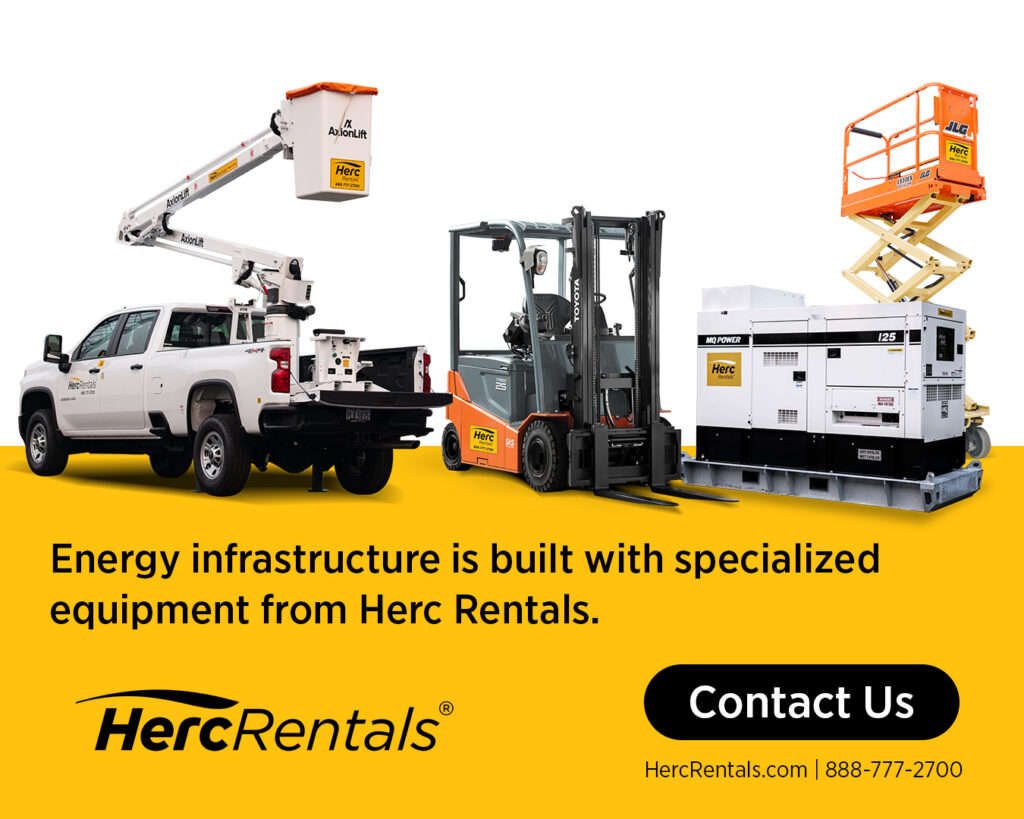
Mobile generators are necessary at project sites where there isn’t any power, yet. Contractors who are expanding the energy infrastructure into remote areas need generators to power their tools and equipment. From running lighting systems for overnight work to dewatering pumps for trenching, generators are a must-have.
Skid-mounted industrial generators can also be used in the event of a natural disaster to help keep data centers, and other facilities, going.
Aerial Lifts
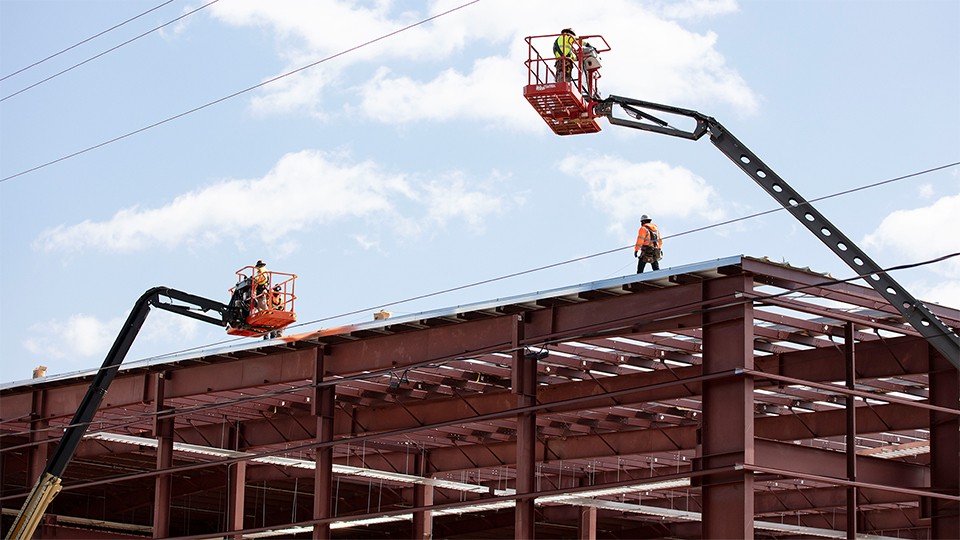
Mobile elevated work platforms — such as boom lifts, scissor lifts and bucket trucks — enable crews to work safely at height. Unlike scaffolding, these aerial lifts give workers the ability to easily adjust their height and position. Bucket trucks are especially helpful for work on or near power lines, such as line repairs and tree trimming.
Trenching and Shoring Equipment
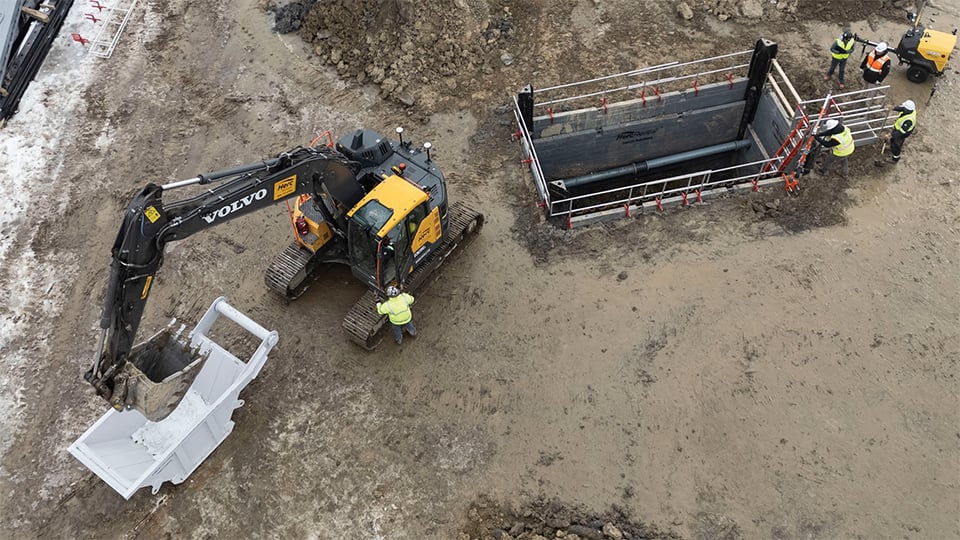
Anytime you excavate land for a foundation, trench or pipe, you need to reinforce the sides to prevent catastrophic accidents. High-quality trenching and shoring equipment can help with everything from digging to reinforcement and pipe testing equipment.
For example, renting sturdy trench shields can help prevent the sides of a trench from collapsing on top of workers as they install underground utility lines. An experienced utility equipment rental provider will help you select the best combination of solutions for maximum site safety and efficiency.
Material Handling Equipment
Material handling equipment includes forklifts, telehandlers and conveyors. These machines make it easier to move tons of dirt, debris and supplies around the site safely. By using this equipment, you can streamline your workflow and keep a competitive edge in the energy infrastructure market.
Build the Future of Energy Infrastructure with Herc Rentals
The energy sector needs you, and it needs you now. As government agencies, utilities and tech companies race to make the most of the AI boom, they need reliable contractors. From cutting-edge renewable energy projects to building more resilient power grids, the opportunities are nearly endless.
Don’t let equipment slow you down. By partnering with Herc Rentals, you’ll get access to an extensive fleet of job-ready equipment, advice from energy experts and flexible rental options. Plus, our safety training options will help your teams upskill, so they meet critical safety standards.
Explore our energy sector equipment, or call 1-800-432-6215 to get started today.