Last Updated on June 11, 2026
When hot weather hits — whether it’s summer, early fall or an unexpected heatwave — keeping your facility cool becomes a top priority. But how you choose to cool your space can have a big impact on energy use, equipment performance and employee comfort. While traditional air conditioning (AC) systems are the go-to solution for many buildings, spot coolers provide a flexible, efficient alternative.
Use this guide to understand more about traditional AC versus spot cooling. Learning more helps you choose which cooling technology is right for your facility.
What Is a Spot Cooler? When Do You Need One?
Spot coolers are a type of temporary, portable air conditioning unit that provides targeted cooling wherever and whenever it’s needed.
Spot cooling is ideal for:
- Emergency or backup cooling when your primary AC system fails or is off due to maintenance.
- Supplemental cooling in areas with “hot spots” that traditional systems can’t address.
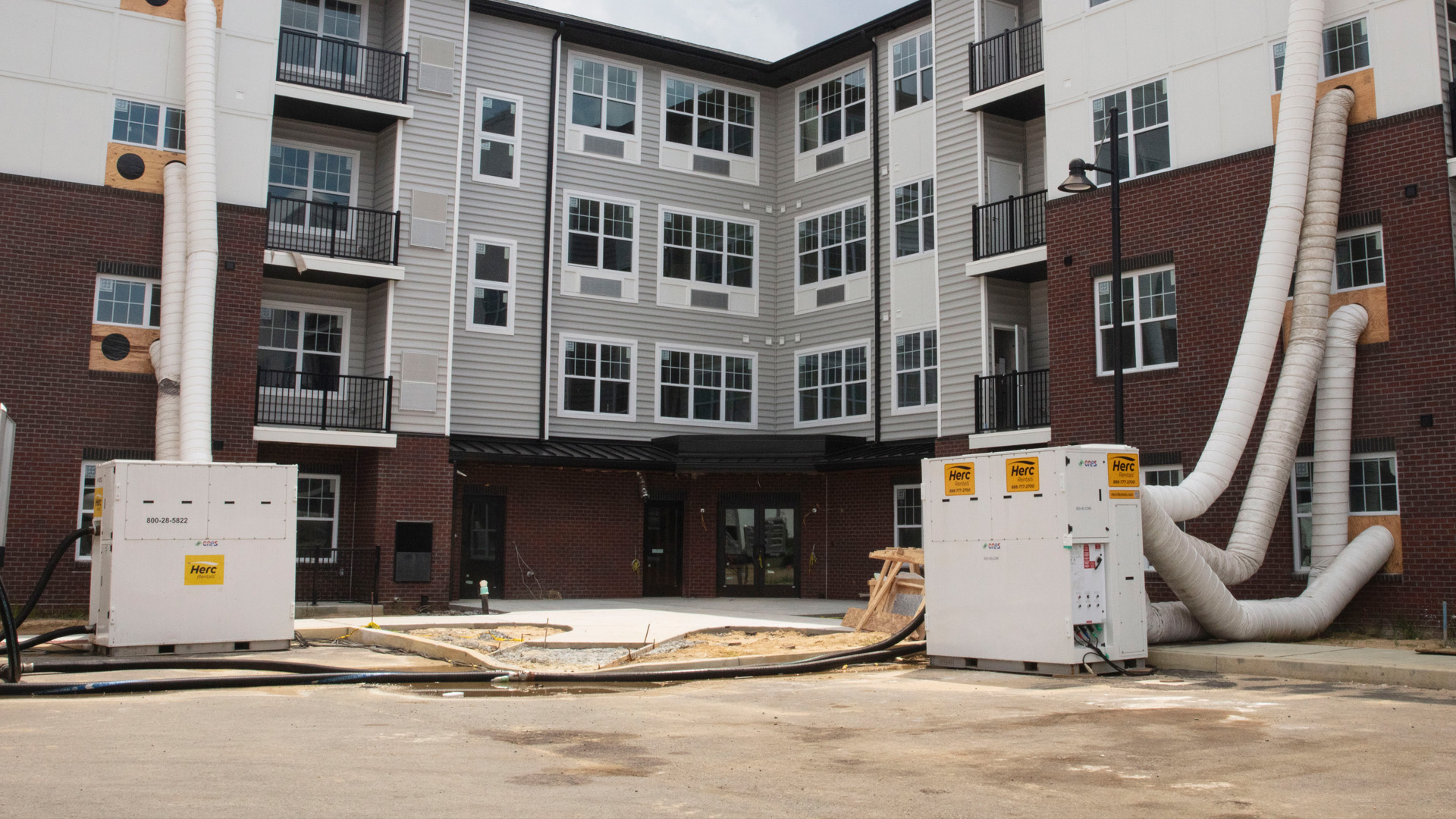
- Temporary use in spaces like server rooms, construction sites or event tents.
- Projects or buildings where installing a full HVAC system isn’t feasible.
Portable air conditioners come in different sizes and cooling capacities, making them a reliable and flexible option for many commercial and industrial environments. Renting a spot cooler can provide a fast, effective solution for temporary climate control.

Air Conditioner Solutions: How They Work
Both traditional AC systems and spot coolers are designed to cool the air and control humidity, but they function in different ways and serve different needs.
Understanding how each system works can help you make the best decision for your facility’s layout, usage patterns and cooling demands.
How Do Spot Coolers Work?
Spot coolers work by drawing in warm air, cooling it and then directing the cooled air into a specific area. These units are generally portable and plug into standard power sources, making them easy to deploy quickly.
Speaking of installation, spot coolers also don’t require as much ducting and plumbing as a central or traditional AC unit.
- Regular portable AC units, or air-cooled spot coolers, only need a simple exhaust duct to vent hot air away from the cooled space. These ducts can be routed through ceilings, windows or doors.
- Water-cooled portable AC units don’t require air exhaust ducts. However, they do need access to a water supply and a drain. Water-cooled AC units are ideal for enclosed or sensitive environments where ducting isn’t practical.
Despite being temporary, spot cooling can be a game-changer if you choose the right size portable air conditioning unit. Many spot coolers offer powerful and precise climate control. These benefits make them a popular choice for data centers, healthcare facilities and manufacturing floors.

How Do Traditional AC Units Work?
Traditional air conditioning systems are typically installed as part of a building’s central HVAC system. They cool indoor air by cycling refrigerant between an indoor evaporator coil and an outdoor condenser unit. The system distributes cooled air evenly throughout the space using ductwork and thermostats.
These systems are built for consistent, long-term cooling. They’re ideal for facilities that require stable indoor temperatures throughout large areas. For example, office buildings, warehouses and retail stores often opt for traditional AC. However, they are more complex than spot coolers. Actually traditional AC often requires regular maintenance and repair.

Spot Coolers vs. Traditional AC Units: What Are the Benefits of Each Climate Control Solution?
Both spot coolers and traditional AC systems have their place, depending on the cooling needs of your facility.
In this section, you’ll explore the pros and cons of each to help you make the best decision for your building, your team and your equipment.
Benefits of Spot Coolers
Renting a portable air conditioner can help you efficiently manage the climate of your facility in several ways.
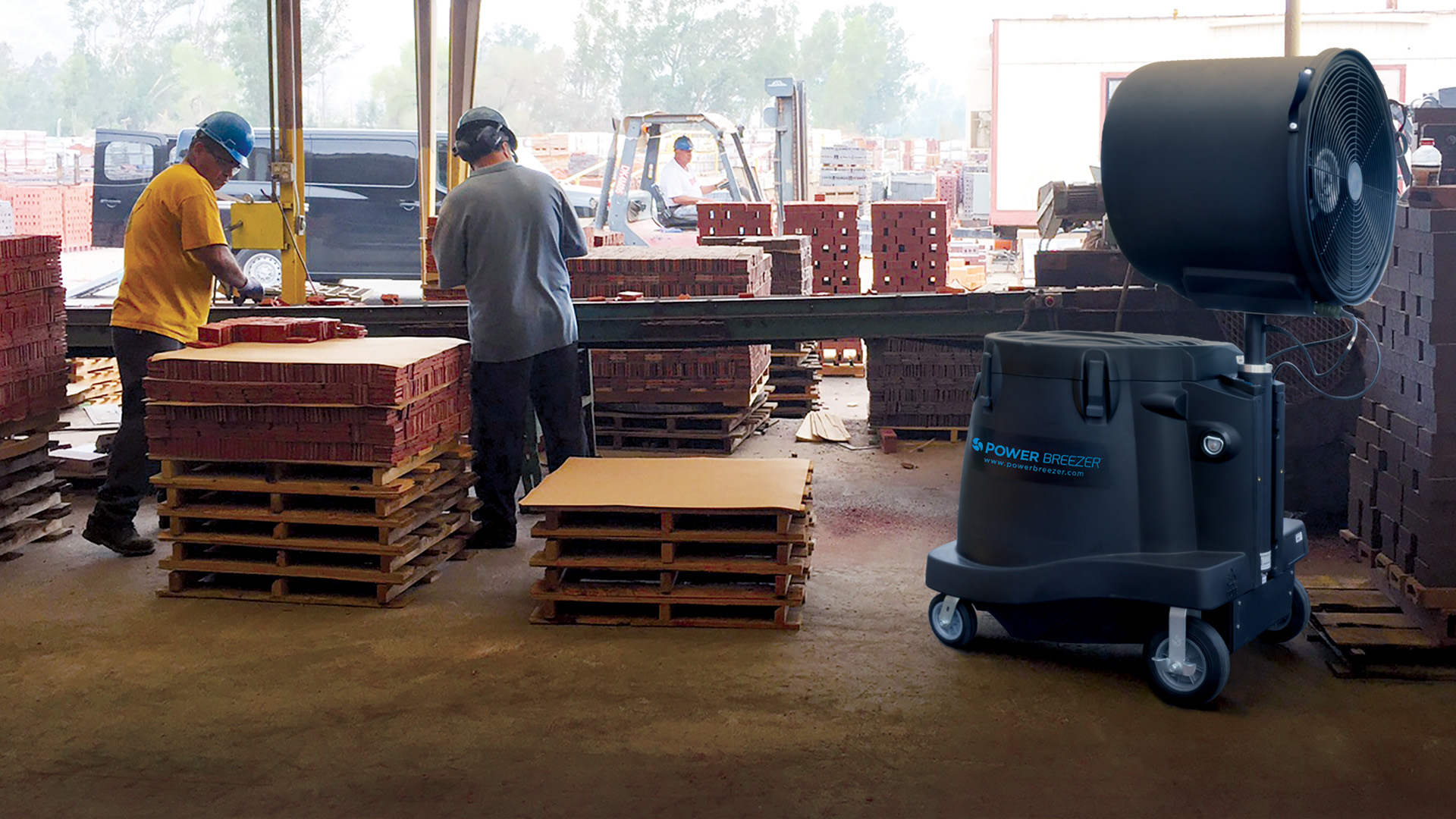
- Great for Controlling Hot Spots: In facilities with uneven temperature—like warehouses with machinery, server rooms or manufacturing floors—spot coolers can directly address overheated zones without the costs of adjusting the entire building’s climate control.
- More Flexibility with Portable Cooling: Designed for mobility, spot coolers can easily be moved between rooms, projects or even job sites. This adaptability ensures a better return on investment, especially when needs change frequently.
- Peace of Mind During AC Outages: If your primary AC fails or needs to go offline for repair, a spot cooler can serve as a temporary backup, helping prevent downtime, product loss or equipment damage from overheating.
- Humidity Control: Too much humidity is uncomfortable. It can also damage equipment and create a breeding ground for mold. Spot coolers help remove moisture from the air, improving air quality and protecting electronics, materials and people from the effects of excess humidity.
- Energy Efficiency: Because they cool only the areas where they’re needed, spot coolers can be more energy efficient than running a full traditional system, especially in large buildings with partial occupancy.
Cons of Spot Coolers
While spot coolers are extremely useful, they’re not always the perfect fit.
- Meant to Be Temporary: Portable air conditioners are not designed for 24/7, year-round use. Prolonged operation can wear out components faster, and they may not deliver consistent long-term performance like traditional systems.
- May Require Setup and Space Considerations: Spot coolers may need ducting or drain access, which may not be convenient or available in all areas. Proper planning is needed to avoid disruptions.
Benefits of Traditional Air Conditioners
Traditional AC systems offer dependable, whole-building climate control—ideal for many established facilities.
- Customizable to the Space: Central AC systems can be designed to meet specific needs through zoning, programmable thermostats and integration with smart building systems. They can also be installed so that they fit the aesthetics of the building.
- Great for Long-Term, Regular Use: Permanent AC systems are designed for continuous use and are ideal for office buildings, schools, hospitals, and other commercial or industrial spaces that need reliable temperature control throughout the year.
- Provides Overall Climate Consistency: By maintaining a balanced temperature across large areas, traditional systems help protect temperature-sensitive equipment and create a consistent working environment for staff.
Cons of Traditional Air Conditioners
Despite their advantages, traditional AC systems come with some limitations.
- Ongoing Maintenance and Downtime: With more moving parts and larger infrastructure, traditional AC systems are more prone to wear and tear. When they go down, repairs can be costly and slow. If you can’t risk downtime, you’ll need a spot cooler as a backup solution.
- Can Be More Expensive: Central AC systems involve high upfront installation costs and ongoing maintenance expenses. For temporary cooling needs, renting a spot cooler is often more economical and practical.

Find Top-Quality Air Conditioner Rentals at Herc Rentals
If you’re planning ahead or responding to a climate control emergency, Herc Rentals has the portable AC unit you need to stay cool. Our top-quality spot cooling and temporary climate control solutions help you manage the cooling demands of any space. We have equipment for use in small rooms to large industrial facilities.
Plus, with our flexible rental agreements and convenient equipment delivery and pick-up services, you can save time and stay focused on the job at hand.
Explore our full inventory of climate control solutions, or call 1-800-432-6215 to learn more about renting spot coolers and AC equipment.