Last Updated on October 22, 2025
From sudden changes in temperature to diminished daylight hours to severe weather, fall presents its own set of jobsite safety challenges for contractors and construction crews.
Construction may slow in autumn and worksite hazards aren’t as plentiful as they are during the summer or winter, but dangers still lurk. Get ready for changing weather by learning about important autumn construction safety topics. Once you know what may be coming, you can make sure your team and equipment are prepared.
Why Might Safety Needs Change During Autumn?
Construction safety changes with the seasons, and fall is particularly challenging. That’s because autumn poses several unpredictable conditions that impact how work is performed and how crews must prepare.
Volatile Weather
Throughout much of North America, a project that starts under warm, clear skies can quickly be disrupted by heavy rain or even snow. Meanwhile, crews in the West may have to deal with powerful winds and wildfires. And if you’re working in the South or on the East Coast? Get ready for hurricanes. Slippery ground conditions and weather-related delays can require new safety protocols to keep projects on schedule and within budget.
Less Daylight
Volatile weather isn’t the only safety challenge that comes with autumn. As the weather cools, the daylight diminishes. Fewer daylight hours make visibility an issue on construction sites. It also increases the need for extra safety barricades and lighting to help keep drivers and pedestrians near jobsites safe.
Changing Traffic Patterns
Fall also brings busier traffic patterns, especially near schools and sports facilities. Projects near schools, universities and sports facilities may see spikes in congestion during drop-off, pick-up or game days, increasing hazards for both crews and equipment operators.
Recognizing these seasonal differences is the first step in developing a safer, more resilient autumn worksite.
4 Autumn Construction Safety Topics You Need to Know
Every season requires its own safety focus, and autumn is no different. In the following sections, you’ll learn ways to keep projects safe and productive in the face of severe weather, diminishing daylight and other challenges that fall brings.
1. Climate Control Is More Complex and Ever-Changing
Wild temperature swings are common in the fall. Teams need to be prepared for potential flurries one day and temperatures in the 80s the next. In some regions, a 30-degree temperature swing can happen in a matter of hours. This constant shift can impact worker comfort and productivity as well as equipment performance.
Safety Tips:
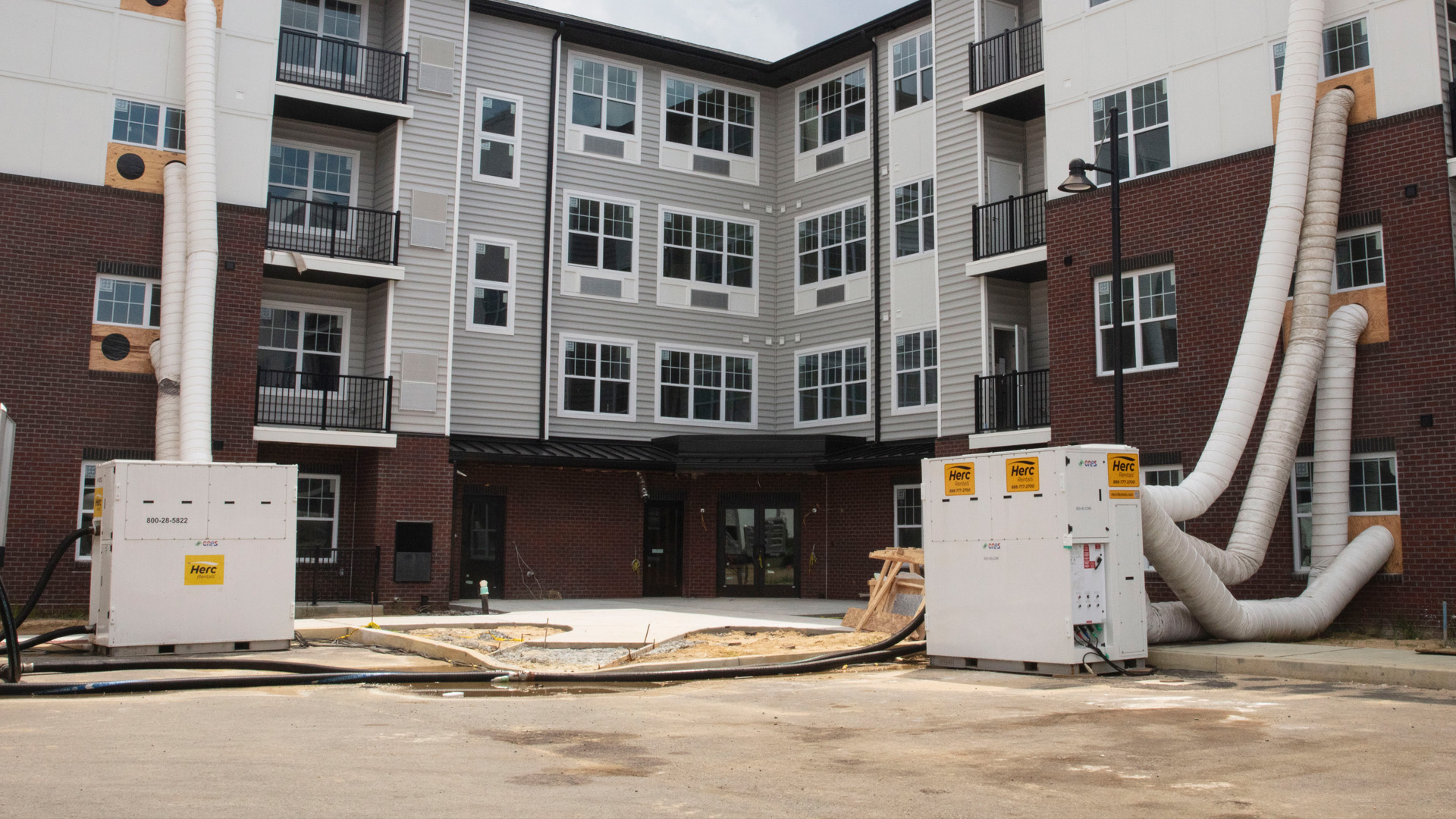
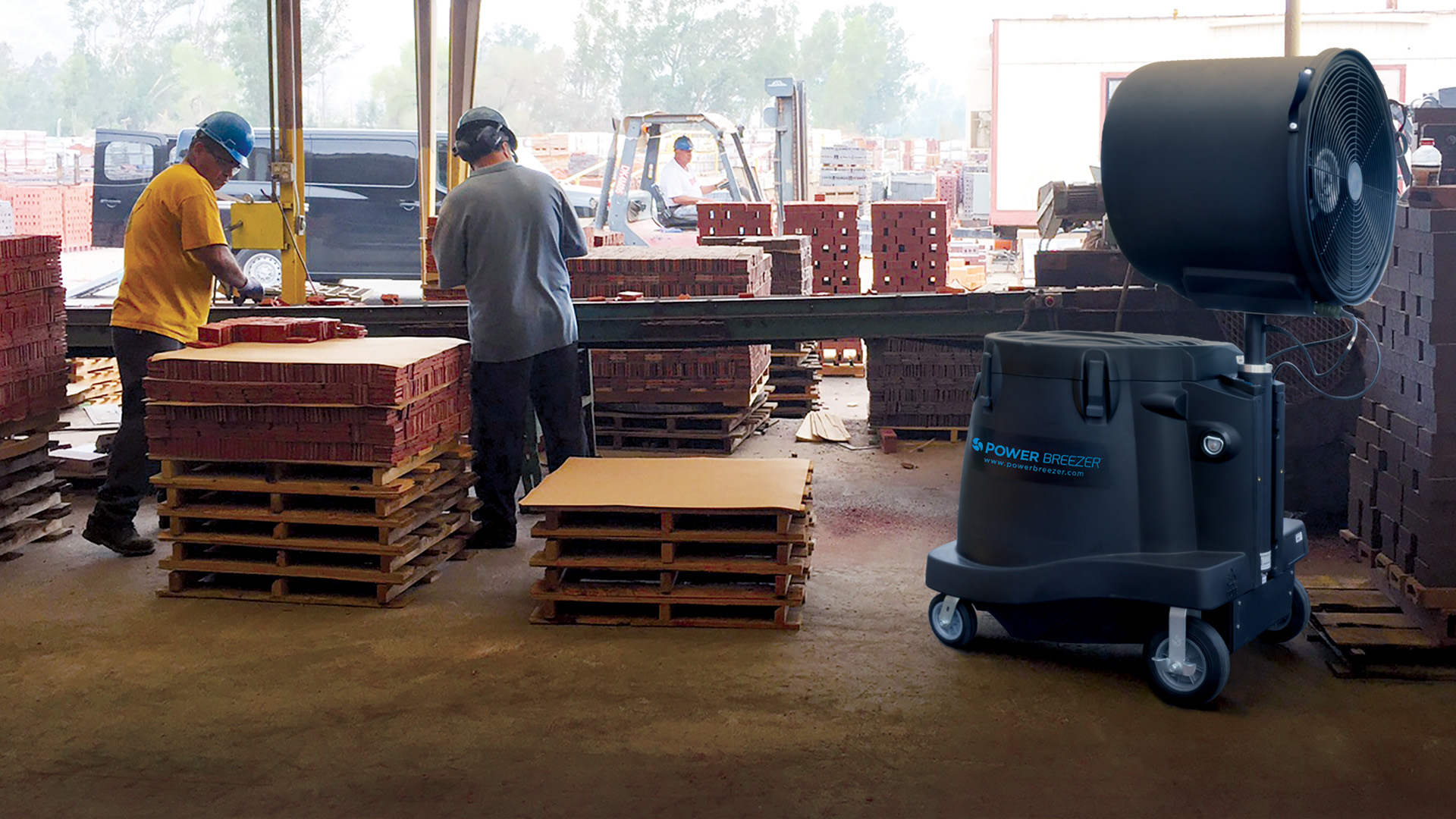
- Make sure the site has proper heating and cooling equipment. Changing temps and damp conditions may require heating, air conditioning and dehumidification. Within the same week, you might need fans, portable air conditioning or temporary heater rentals, depending on the forecast. Without climate control solutions, condensation can build up in enclosed spaces, materials may not set correctly and crews can be exposed to heat or cold stress.
- Adjust workflows to accommodate changing weather. For example, concrete and paint may need additional monitoring to ensure they cure or dry correctly in fluctuating temperatures. Likewise, workers may need more time to move around the site safely in wet or cold conditions.
- Secure reliable, flexible access to rental equipment. Partnering with a reliable equipment provider who can quickly deliver or swap units as the weather changes is critical for maintaining safe and efficient operations.
2. Fall Shines Light on Changing Sun Patterns
With the end daylight saving time comes shorter days and less natural shade as leaves fall from the trees. This change in natural light significantly changes how crews work. Sun angles shift, meaning glare can suddenly interfere with equipment operation or driver visibility around jobsites. Workers may also face increased eye strain and safety risks when operating machinery or navigating elevated areas.
Safety Tips:
- Provide ample portable lighting on site. As daylight hours diminish, crews are more likely to work in low-light conditions or at night. Review nighttime construction safety tips and rent portable lighting as needed. Adequate construction lighting helps reduce trip hazards, keeps equipment operation safe and ensures surrounding traffic remains aware of active worksites.
- Provide shade and sun protection. Trees bare from leaves mean less shade for your construction crew. Make sure there’s a place where your team can seek shade and protect themselves from the sun. Continue providing sunscreen and personal protective equipment to cover exposed skin.
- Adjust safety zones to account for glare. Drivers passing jobsites during early morning or late afternoon rush hours may be more easily blinded by the sun, increasing the chance of accidents. Implement proper lighting solutions and adjust work schedules and safety zones where possible to help mitigate these risks. See our Construction Lighting Guide for more details.

3. Crews May Need Shelter from Storms
Autumn is one of the most unpredictable seasons for weather. Thunderstorms can roll in quickly, and in many parts of North America, hurricane season extends into late fall. These events can create serious hazards on construction sites, from flying debris and electrical risks to flooded work areas.
Safety Tips:
- Create a severe weather safety plan. Crews should know where to go in the event of high winds, storms or emergencies. In hurricane-prone regions, developing and practicing storm preparedness plans—including evacuation routes, communication protocols, and rapid equipment removal—is critical. For more details, read Preparing for Hurricanes Now Will Save You Later.
- Rent a storage container or enclosed construction tent for shelter. Temporary shelters provide protection from sudden downpours and can be a great way to store sensitive materials. By preparing for the worst, construction teams can minimize downtime and protect both lives and assets.
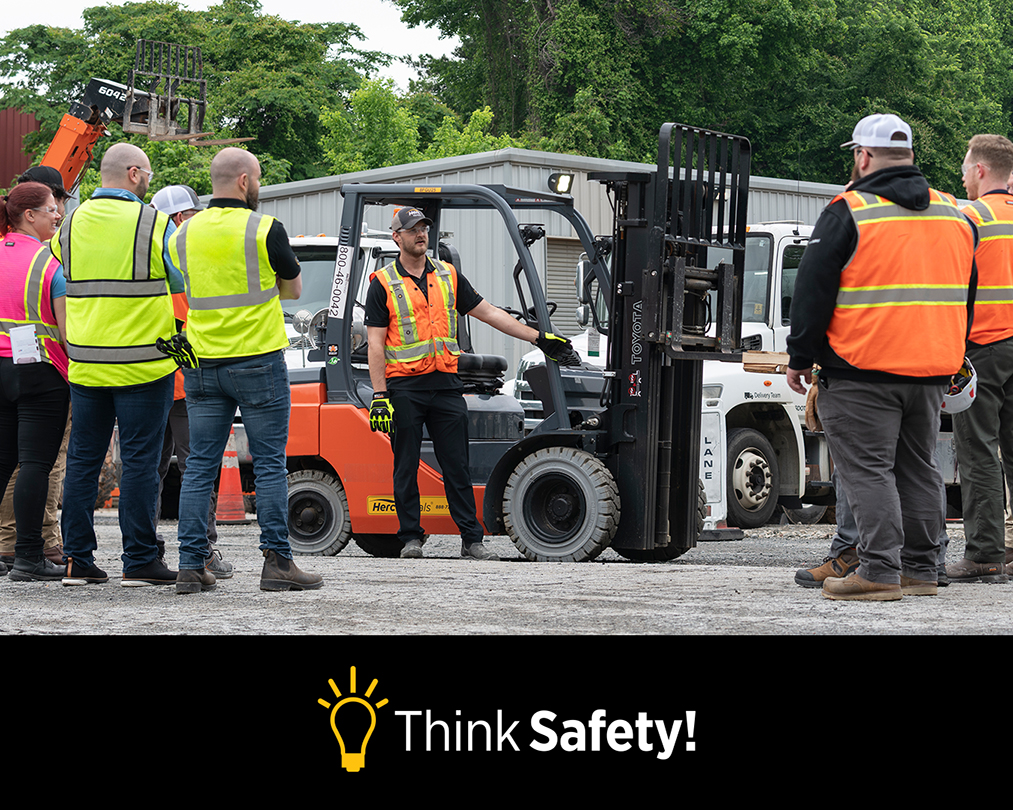
- Provide ample safety training. Crews, especially equipment operators, should also receive plenty of safety training so they can confidently handle equipment in changing conditions. They need to know how to secure materials and equipment to prevent damage or injuries.
4. Autumn Is a Slippery Slope
Fall rain and damp conditions can create treacherous footing on construction sites. A pile of wet leaves is as slippery as stepping on a cartoon banana peel. Plus, soil, sand and gravel can become loose, increasing the risk of slips, trips and falls. Workers navigating scaffolding, ladders or uneven terrain must take extra precautions, especially when surfaces are wet.
Beyond walking hazards, wet ground conditions also affect equipment operation. Heavy machinery can lose traction on muddy or unstable soil, increasing the risk of rollovers or collisions.
Safety Tips:
- Focus on secure footing. Make sure crews have proper footwear and the site is equipped with anti-slip mats and blowers or heaters to keep flooring dry. For outdoor sites, have a sweeper, blower, wood-chipper and other landscaping and lawncare equipment handy to keep the site free of leaves and debris.
- Strictly follow safety standards for working at height. Elevated work can be extra dangerous in slippery conditions. Make sure everyone has proper safety harnesses and fall protection. Also make sure that the fall protection features on elevated platforms are in good working condition.
- Fix drainage issues and watch for unstable surfaces. Site drainage solutions, like water pumps, are essential to reducing hazards. Your crew should also always check the ground for stability. Never enter a trench without it being inspected by someone trained in identifying hazards. Review OSHA’s Guide for Daily Inspection of Trenches and Excavations for more details.
- Train for wet conditions. Training workers to recognize and avoid dangerous conditions plays a key role, as well. A trusted equipment rental provider can also offer safety training specific to fall hazards and operating equipment in wet conditions, ensuring crews are ready to work safely in less stable conditions.
Gear Up and Stay Safe in Any Season with Herc Rentals
Autumn brings unique jobsite safety concerns, but with the right preparation and equipment, your projects can stay safe and efficient. Herc Rentals offers a wide range of top quality construction equipment rentals and safety training programs to support your team through every season. Browse our fleet of equipment rentals or request equipment safe operator training today. You can also call our experts at 1-800-432-6215.