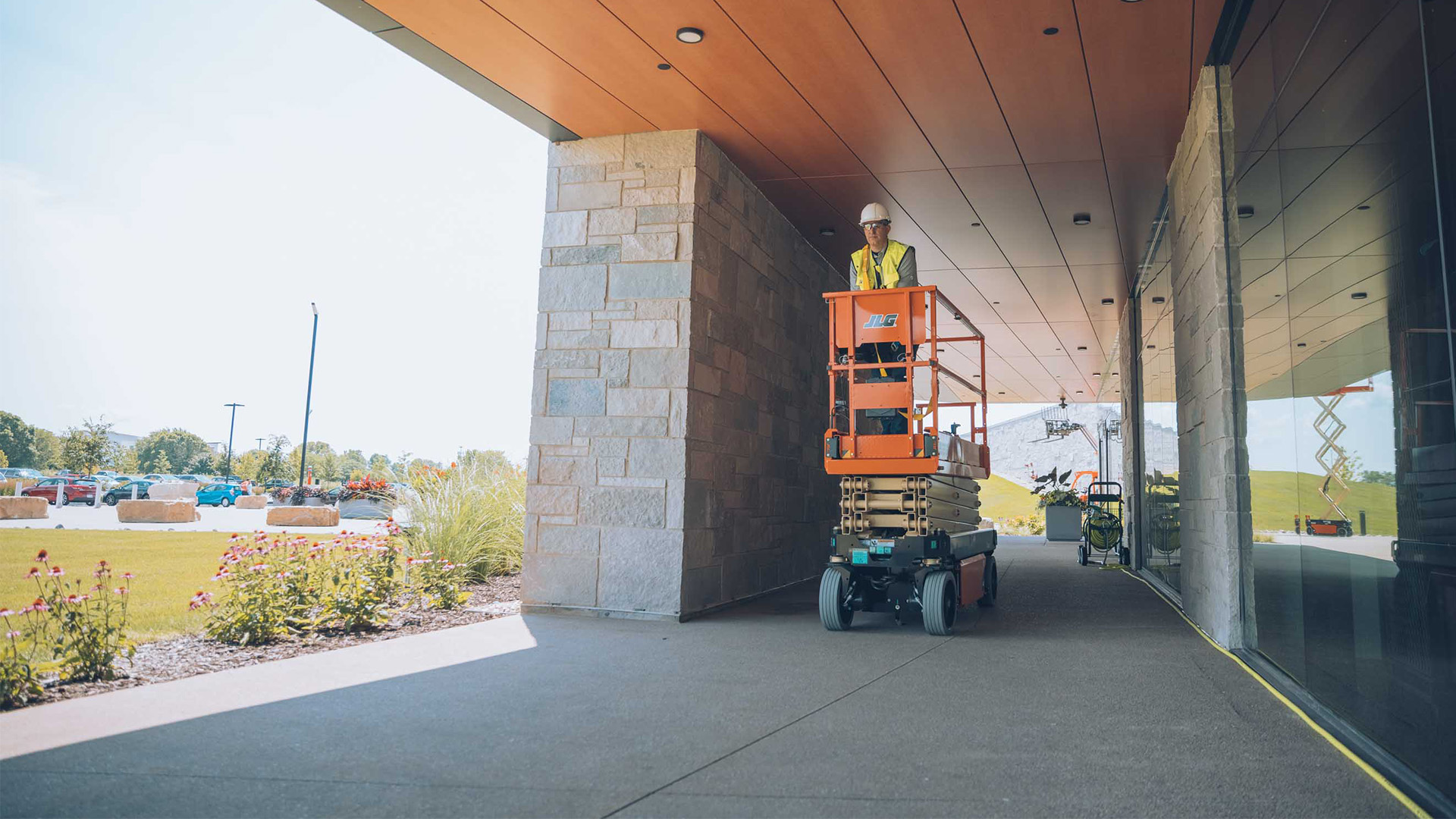
Aerial lifts are valuable tools for reaching elevated work areas, whether you’re installing steel at a commercial construction site, repairing power lines, performing facility maintenance or working in a warehouse.
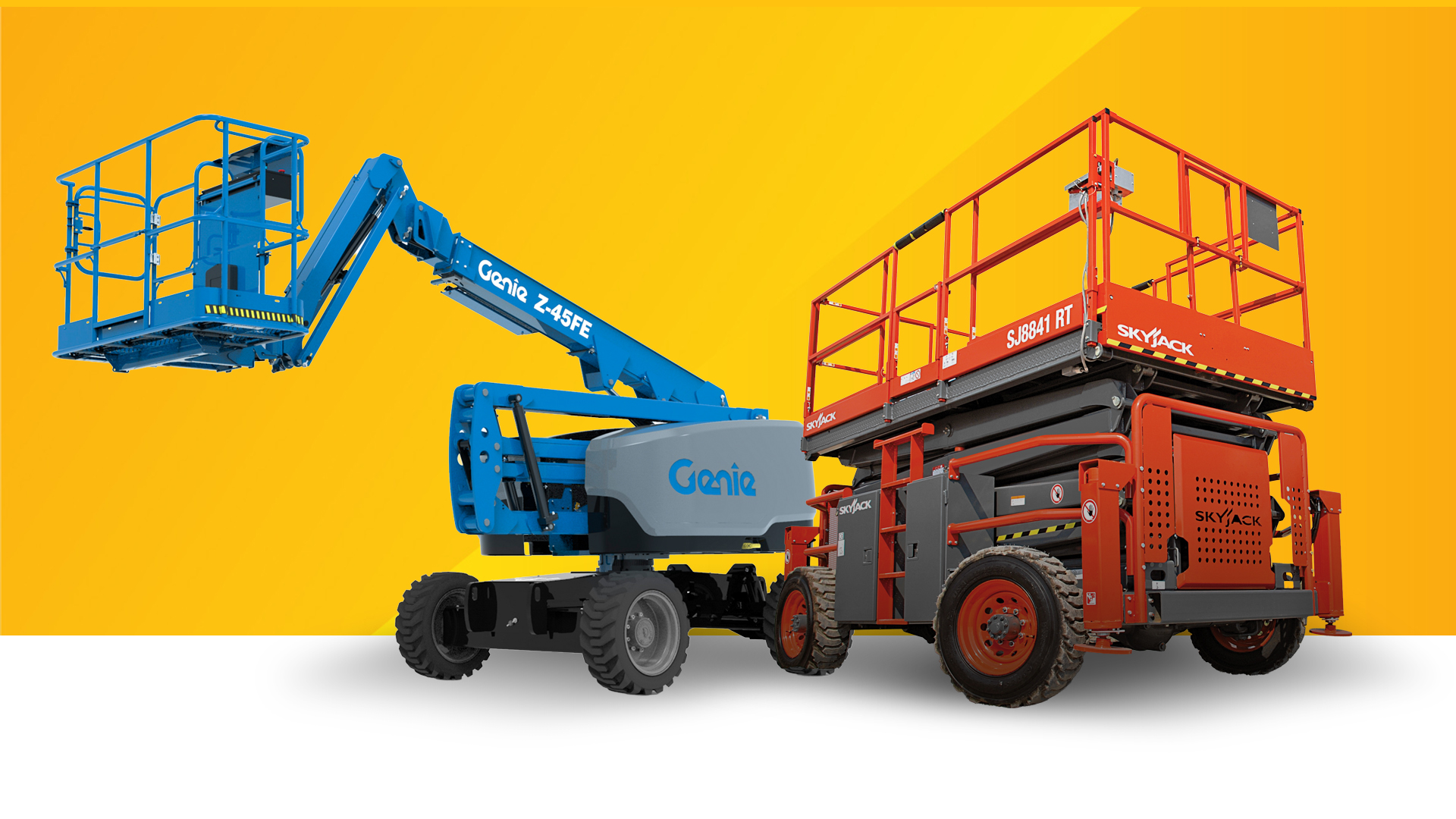
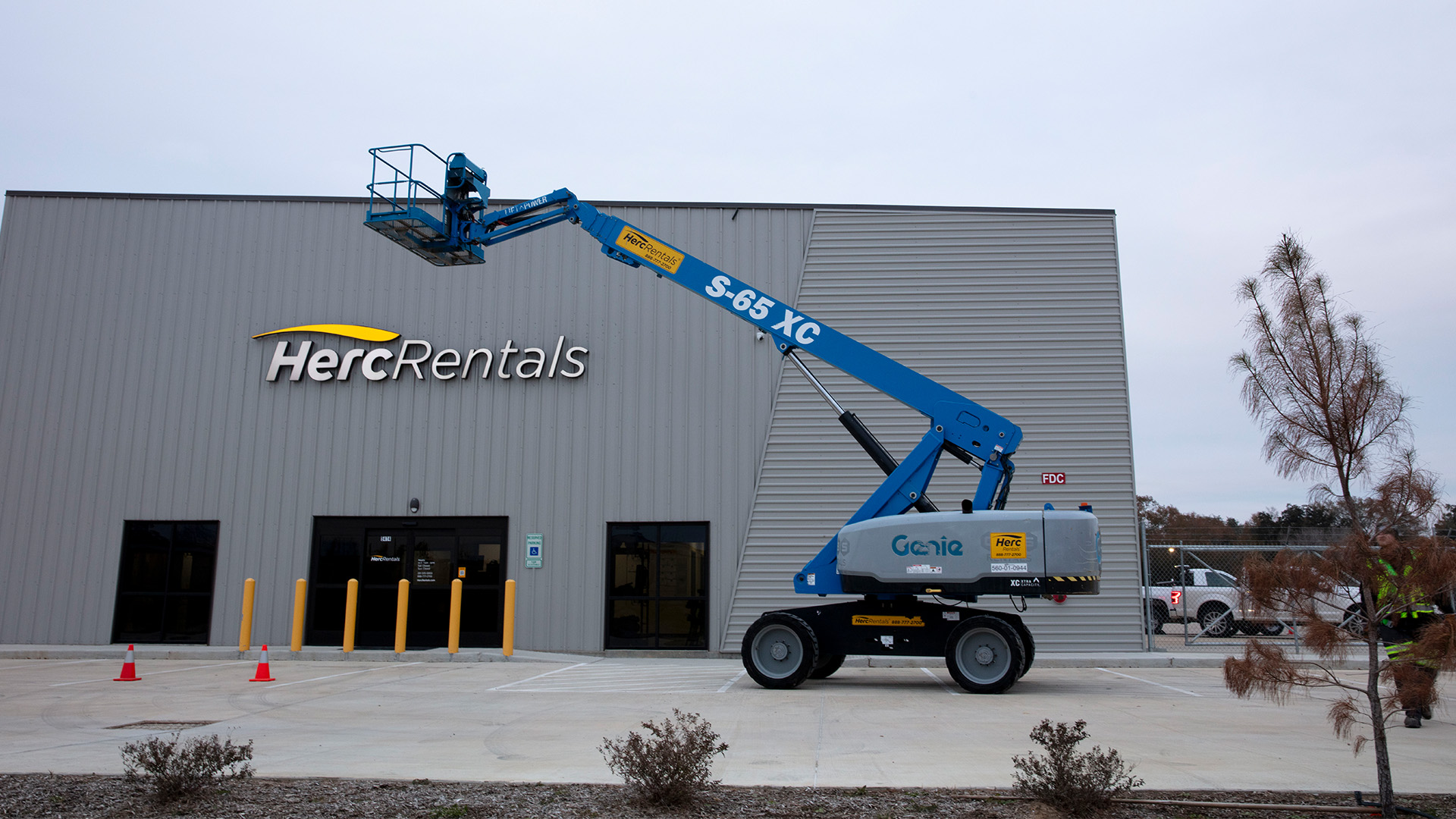
Aerial lifts are wheel- and track-mounted devices designed to elevate workers. Types of aerial lifts include bucket trucks, boom lifts, scissor lifts and aerial ladders. These machines can improve productivity and reduce reliance on standalone ladders and scaffolding, but they also introduce potential dangers for operators and nearby workers.
While these machines are essential for many tasks, working at height comes with significant risks for falls and accidents. When using them, aerial lift safety is always a top priority.
Creating a safe project site requires everyone’s involvement, including operators, supervisors, project managers and crew members. Clear procedures, proper training and consistent compliance help reduce hazards, prevent accidents and ensure equipment is used correctly.
In this guide, you’ll learn eight key aerial lift safety practices to follow every time you use a lift.
Common Causes of Aerial Lift Accidents
Aerial lifts make elevated work more accessible, but improper operation can quickly create a safety hazard.
OSHA identifies several common aerial lift hazards, including falls, falling objects, tip-overs, structural failures, electrocution, entanglements, and contact with nearby structures or equipment.
Completing a task as quickly as possible can easily lead to skipped inspections, overlooked hazards and ignored safety procedures.
Many aerial lift hazards and accidents occur when basic safety precautions are overlooked.
- Electric shocks or electrocution can happen if a lift, platform, worker or tool comes into contact with an overhead power line.
- Falls may result from workers climbing on the lift guardrails, failing to use required fall protection harnesses, being ejected from the platform or losing balance while working.
- Injuries from falling objects occur when unsecured tools and materials slip off the platform and strike workers below.
- Tip-over accidents happen when the lift is improperly parked on unstable ground, overloaded or operated outside the manufacturer’s limits.
Always respect the equipment and never treat an aerial lift as something to operate casually.
Complacency is a major risk. Whether a task takes five minutes or five hours, every lift operation requires the same level of planning and attention. Following established safety practices, completing pre-use inspections and staying alert can help prevent accidents before they occur.
Mobile Work Platform Safety Best Practices
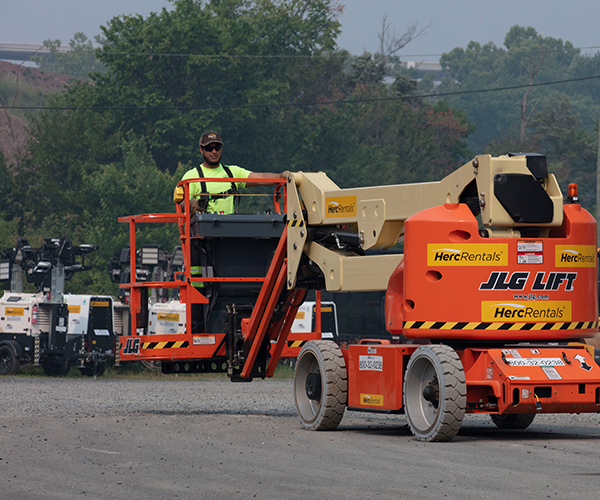
Aerial lifts, also known as mobile elevated work platforms (MEWPs), help crews efficiently access elevated work areas, but operating them requires more than knowing how to use the controls. Proper training, preparation and attention to procedures are essential for reducing risks and preventing accidents.
Use the following best practices to create your own aerial lift safety inspection checklists to follow every time the crew operates or works around an aerial lift.
1. Train Workers and Operators
Only trained and authorized workers should operate aerial lifts. Proper training is one of the most important steps in preventing aerial lift accidents. Everyone who operates or works around the equipment should understand its controls, safe operating procedures, inspection requirements and potential hazards.
Training should cover more than routine operation. Workers should also know how to recognize unsafe conditions, respond to emergencies and stop work when necessary.
Refresher training can reinforce safe habits, address changes in equipment or project site conditions and help operators remain confident and ready to make safe decisions on every job.
2. Inspect the Project Site
Before operating an aerial lift, inspect the work area for conditions that could affect safe operation.
- If the Project Is Outdoors: Look for ground hazards such as holes, drop-offs, uneven surfaces, debris and slopes. Also keep an eye out for overhead hazards including power and communication lines, tree limbs, and nearby structures.
- If the Project Is Indoors: Check for floor obstructions and overhead obstacles such as ceilings, sprinkler systems, pipes, lighting and HVAC equipment.
- Plan Your Approach Distances: Treat all power lines and electrical conductors as energized. Maintain the minimum approach distance specified by safety regulations and the equipment manufacturer.
- Watch the Weather: Don’t forget to monitor weather conditions, especially for high or strong winds. Suspend operations whenever conditions could affect lift stability or safe use.
3. Wear Fall Protection
Falls are among the leading causes of aerial lift injuries, but many can be prevented by using proper fall protection. Always wear a properly fitted full-body harness and connect the lanyard or other approved connecting device to the designated anchor point inside the platform.
Never climb, sit or stand on guardrails. Keep entry gates or chains closed whenever the platform is elevated.
In addition, wear any required personal protective equipment – such as a hard hat, safety glasses, gloves or safety-toe footwear – based on the jobsite safety hazard and employer requirements.
4. Evaluate the Weight Limit
Every aerial lift has a rated load capacity, and exceeding that limit can lead to equipment damage, instability or a tip-over.
Before workers enter the platform:
- Calculate the combined weight of all workers, tools, materials and other equipment that will be on the platform at the same time. When in doubt, overestimate the weight to avoid overloaded material lifts.
- Verify the lift capacity in the owner’s manual, machine data plate and platform decals.
- Never assume that two lifts have the same capacities and never exceed the manufacturer’s specified limit.
5. Use the Machine Properly
Aerial lifts are designed to elevate workers and the tools needed to perform a task, not to lift heavy or suspended loads. Make sure you’ve chosen the correct type of lift and the correct size.
Never use an aerial lift as a crane or exceed the machine’s rated weight capacity and reach. Doing so can overload or damage components and compromise stability, which increases the risk of tip-overs, falling objects or worker injuries.
When materials need to be moved or lifted, use equipment designed for that purpose, such as a forklift, telehandler or crane. Using the right equipment helps protect workers and prevents unnecessary strain on the lift.
6. Inspect the Machine Before Operation
Always complete a thorough daily inspection before operating any aerial lift. This inspection will confirm that the equipment is in safe working condition.
During the inspection, be sure to:
- Check fluid levels, tires, wheels, brakes, steering, lights, horns, backup alarms, controls and other safety systems.
- Look for leaks, damaged or missing parts, loose connections, worn components or unreadable warning labels.
- Test all lift functions before use and remove the equipment from service if any defect or safety issue is identified.
7. Utilize Safety Features
Aerial lifts are equipped with safety features designed to reduce hazards and protect workers, but workers will need to use fall protection harnesses, as well.
- Never disable, bypass or override the lift’s safeguards.
- Use guardrails, emergency stop controls, warning lights and alarms, tilt arms or sensors, and limit switches as intended and required by safety standards.
- When required by the manufacturer, deploy outriggers or stabilizers before elevating the platform.
- Keep the platform free of unsecured tools and materials that could fall and hurt those below.
Tip: When renting an aerial lift, partner with a provider with models that have advanced safety technologies and equipment safe operator training. One of the benefits of renting a lift is being able to utilize the latest technologies that support operator awareness and machine stability.
8. Maintain Your Machine
Regular maintenance is essential for aerial lift safety and keeping equipment safe, reliable and in proper working condition.
Luckily, you can minimize the time and expense of ongoing maintenance by renting a lift from a reliable equipment rental provider. When you rent, the provider is typically responsible for all maintenance and repairs.
Preventive maintenance helps identify potential issues before they become safety hazards, while also improving productivity, reducing unexpected repairs and extending equipment life.
The lift’s owner (you or your rental provider) should follow the manufacturer’s recommended maintenance schedule and complete required services, inspections and repairs. Make sure there are accurate records of operating hours, use conditions, inspections, maintenance and repairs to help ensure the lift continues to perform as intended.
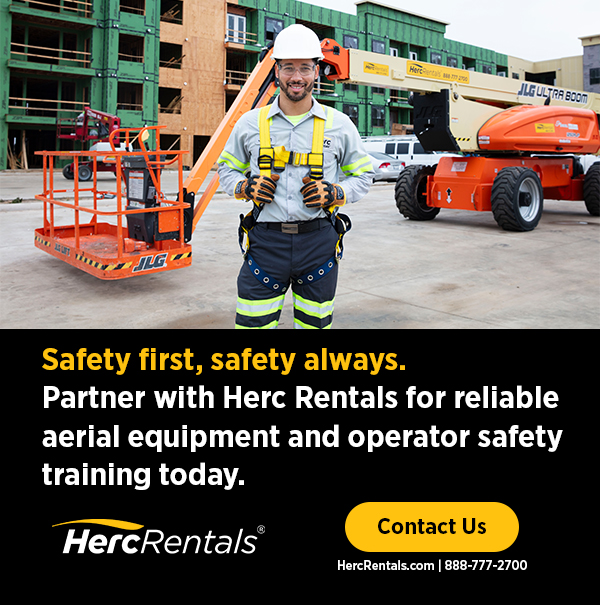
Rent Top Quality Aerial Equipment from Herc Rentals
Aerial lifts provide safe, efficient access to elevated work areas, but safe operation depends on choosing the right equipment and following established safety procedures. From conducting pre-use inspections to wearing fall protection and using built-in safety features, every step helps reduce safety hazards and protect workers.
Whether you need a boom lift, scissor lift or another aerial work platform, Herc Rentals can help you select the right solution for your project. We also offer mobile work platform safety training to help operators work confidently and safely.
Browse our selection of aerial lifts or schedule a MEWP (Aerial Lifts) Safety Training Course to get started. For expert assistance, call 1-800-432-6215 today.