Last Updated on September 25, 2026
A successful construction project begins long before groundbreaking. Like the building itself, the residential and commercial construction process starts with a strong foundation: a clear, well-structured plan.
Whether you’re building a single-family home, a warehouse or a large commercial development, understanding the building construction process from start to finish is essential for effective construction planning and scheduling, helping you deliver a project on time and on budget.
Because each phase has its own goals, challenges and equipment requirements, it is important to have the tools you need at every stage.
Partnering with a trusted equipment rental provider ensures equipment is available when you need it, while rental management technology streamlines bookings, tracks deliveries and keeps projects on schedule.
In this guide, you’ll learn the seven stages of construction, which apply to any construction timeline for a commercial build or construction timeline for a house. Plus, you’ll explore the essential equipment for each phase and how an equipment management app like ProControl by Herc Rentals™ can help you keep your project moving smoothly, safely and efficiently from start to finish.
Meet the 7 Stages of a Successful Construction Project
Each of the construction stages builds on the one before it, helping move the project from concept to completion. Across the project, having access to the right rental equipment — and an easy way to reserve, track and manage it — improves efficiency, enhances safety and delivers quality results that keep customers satisfied.
What Are the 7 Stages of Construction?
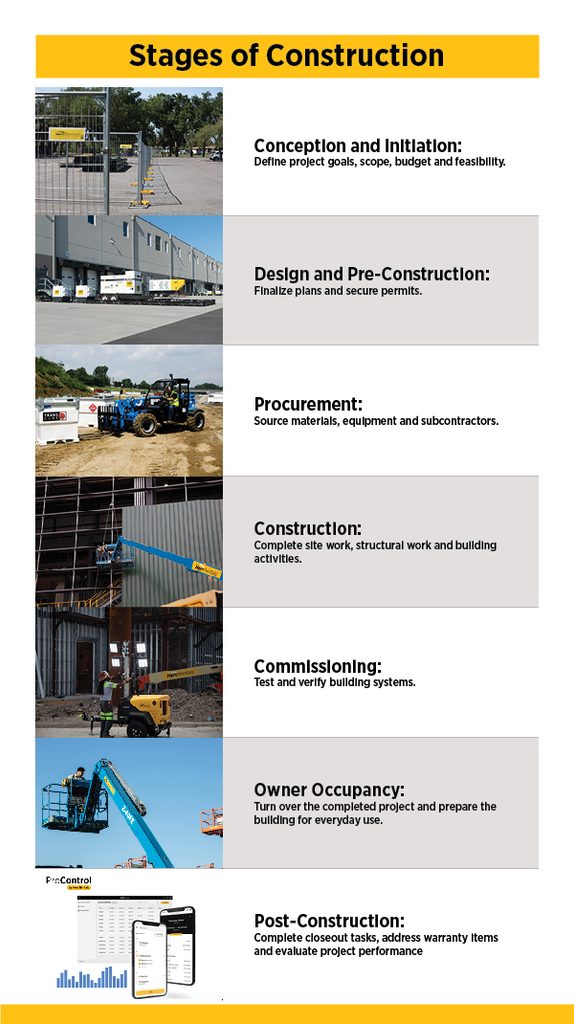
- Conception and Initiation: Define project goals, scope, budget and feasibility.
- Design and Pre-Construction: Finalize plans and secure permits.
- Procurement: Source materials, equipment and subcontractors.
- Construction: Complete site work, structural work and building activities.
- Commissioning: Test and verify building systems.
- Owner Occupancy: Turn over the completed project and prepare the building for everyday use.
- Post-Construction: Complete closeout tasks, address warranty items and evaluate project performance.
How to Easily Manage a Fleet of Rental Equipment
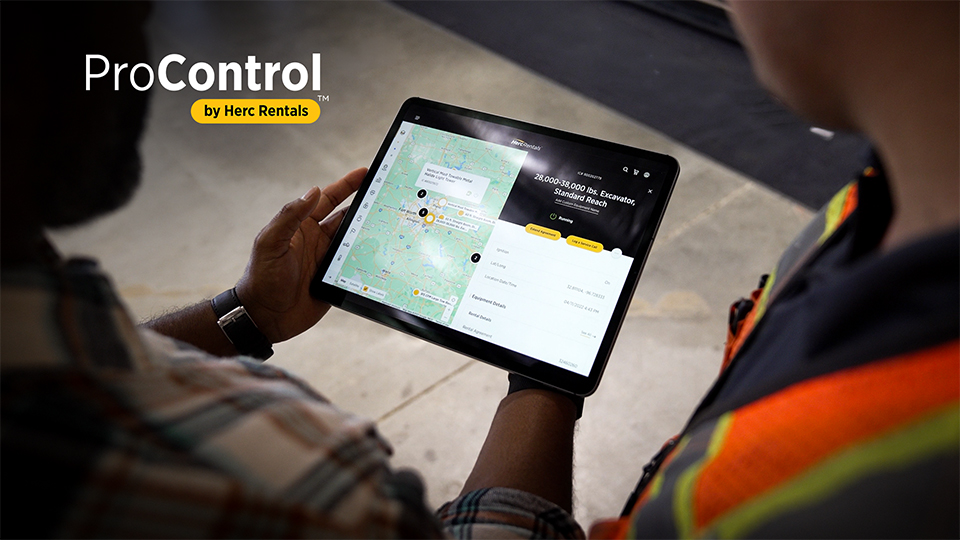
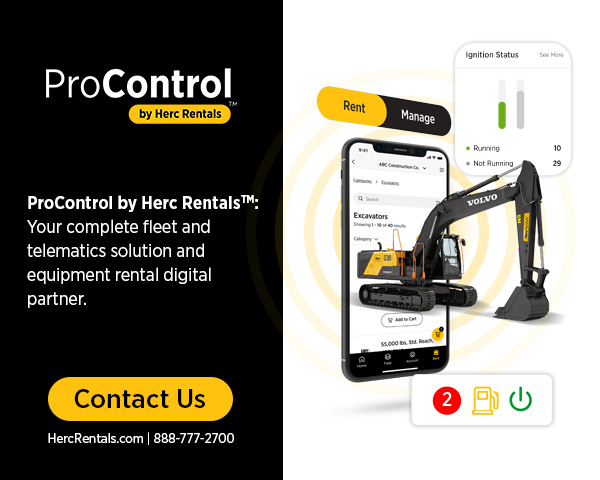
If you need to simplify equipment management throughout the construction project life cycle, a digital equipment management platform like ProControlTM is a great solution. It simplifies every aspect of the rental process, from reservation to return.
Contractors can browse and reserve equipment, track real-time location and utilization, set geofences, receive instant alerts, log service calls, and view or pay invoices — all from a computer or mobile device.
By providing a centralized hub for equipment data, delivery tracking and customizable reports, ProControl streamlines communication with the rental partner, eliminating back-and-forth calls, paperwork and spreadsheets. Instead, contractors and their teams can focus on keeping projects on schedule.
The result is greater efficiency, better visibility and fewer costly surprises, ensuring the right machines are available exactly when and where they’re needed.
- Read More:
The Construction Process Step by Step
Stage 1: Conception and Initiation
Every successful construction project begins with a crucial first step: conception and initiation. This is where the project vision is established, goals are defined and feasibility is evaluated. Careful planning during this early stage helps identify potential challenges, reduce costly delays, and prevent redesigns or budget overruns later.
What Happens During This Stage?
- Site selection: Identify and evaluate potential locations based on access, zoning and environmental factors.
- Feasibility studies: Assess technical requirements, timelines, legal considerations and financial viability to determine whether the project can move forward.
- Budget development: Create preliminary cost estimates and funding strategies to guide decision-making.
Essential Equipment You’ll Need:
- Surveying tools: GPS units and total stations for measuring and mapping the site.
- Assessment equipment: Ground-penetrating radar or soil-testing equipment for subsurface assessments.
- Site security equipment: Temporary fencing, surveillance cameras and signage for early site access.
- Power equipment: Portable lighting and generators for temporary work areas.
How ProControl Helps: ProControl helps contractors reserve equipment, track delivery and monitor use from day one, ensuring teams have the tools they need when initial assessments begin.
Stage 2: Design and Pre-Construction
Once the project and commercial or residential construction timeline is deemed feasible, it moves into the design and pre-construction phase. This is where the project vision is translated into detailed plans, drawings and specifications that guide the construction process. This phase lays the foundation for the entire project.
What Happens During This Stage?
- Design development: Architects and engineers create detailed drawings, blueprints and project specifications.
- Permitting and approvals: Secure necessary permits from local authorities, including zoning, environmental and building permits.
- Site logistics planning: Finalize timelines, construction methods, materials, access points, utility locations and safety requirements.
Essential Equipment You’ll Need:
- Site security equipment: Temporary fencing and safety signage to secure the work area.
- Power generation equipment: Portable generators for temporary power.
- Visibility equipment: Light towers for safe work conditions and night work.
- Surveying tools: GPS units and total stations to support accurate site planning.
How ProControl Helps: Planning for the construction phase starts now. ProControl allows contractors to schedule equipment deliveries, reserve tools and manage logistics in advance, helping to ensure a smooth, delay-free transition into active construction.
Stage 3: Procurement
With a solid plan in place, the project moves into the procurement phase. This stage focuses on gathering the necessary resources, from materials to manpower. Effective procurement ensures materials arrive on time, subcontractors are secured and budgets remain intact.
What Happens During This Stage?
- Material sourcing: Identify, order and coordinate delivery of materials like steel, concrete, lumber, MEP systems and other critical materials.
- Equipment planning: Secure heavy machinery, lifts and tools — including rentals — to align with upcoming construction activities.
- Subcontractor selection: Hire qualified tradespeople and establish agreements for specialized work.
Essential Equipment You’ll Need:
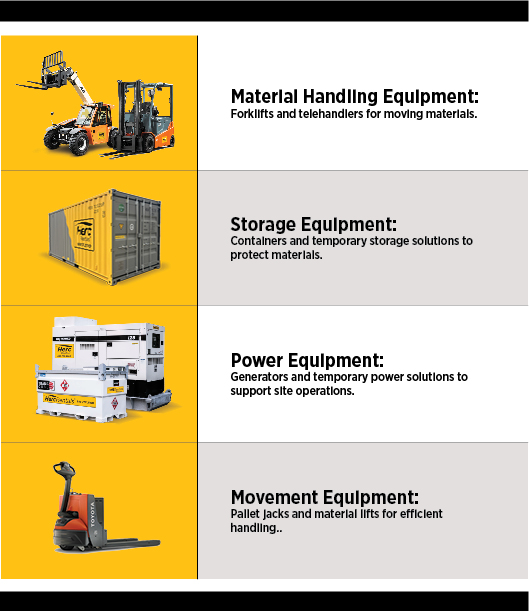
- Material handling equipment: Forklifts and telehandlers for moving materials.
- Storage equipment: Containers and temporary storage solutions to protect materials.
- Power equipment: Generators and temporary power solutions to support site operations.
- Movement equipment: Pallet jacks and material lifts for efficient handling.
How ProControl Helps: ProControl helps contractors organize rental details, schedule deliveries and track equipment in one centralized location. Planning equipment needs in advance helps ensure resources are available when construction begins.
Stage 4: Construction
This is the phase where the project truly comes to life. The construction phase is when all the planning and preparation pay off, and the physical building process begins. From the excavator’s first cut to the painter’s final brushstrokes, this is the longest, most resource-intensive and most visible phase.
Success depends on tight scheduling, skilled labor and coordinated equipment management. Because this stage represents the bulk of the project, delays here can impact the entire timeline.
What Happens During This Stage?
- Site preparation: Clear trees, debris and topsoil; grade the site; and excavate for utilities and foundations.
- Foundation work: Pour and cure footings, slabs and basement walls.
- Structural framing: Erect the building’s structural framework and other components.
- Building envelope installation: Install roofing, exterior walls, windows and doors to protect the structure from weather.
- MEP rough-in: Install mechanical, electrical and plumbing systems before interior finishes begin.
- Interior finishes: Complete drywall, flooring, cabinetry, fixtures, paint and other details that prepare the building for occupancy.
Essential Equipment You’ll Need:
Across construction phases, equipment needs change as work progresses, with this stage requiring the widest range of heavy equipment.
- Earthmoving equipment: Excavators, bulldozers, graders, compactors, and dump trucks for excavation and site preparation.
- Concrete equipment: Concrete pumps, mixers, vibrators and power trowels for pouring and finishing slabs and foundations.
- Lifting equipment: Cranes, telehandlers, boom lifts and scissor lifts for material placement and elevated work.
- Material handling equipment: Forklifts, pallet jacks and material lifts for moving materials around the site.
- Power and site support equipment: Generators and light towers to support crews and maintain productivity.
- Finishing tools: Air compressors, saws, sanders, vacuums and pressure washers for final work.
How ProControl Helps: Managing a large and diverse fleet of rental equipment is a major undertaking during the busiest phase of a project. ProControl helps contractors track equipment utilization, manage rental details, monitor deliveries and coordinate equipment needs across trades.
With real-time GPS telematics and geofencing alerts, contractors can improve equipment visibility, monitor usage and coordinate equipment movements across the site. This helps teams stay organized, support the construction project management timeline and keep work progressing efficiently.
Stage 5: Commissioning
As the construction phase wraps up, the project enters the commissioning stage. This critical quality control phase ensures that building systems are installed correctly, function as intended and are ready for use. Proper commissioning helps identify issues before occupancy, supports code compliance and reduces the risk of costly post-occupancy problems.
What Happens During This Stage?
- MEP testing: Test and verify mechanical, electrical and plumbing systems to ensure they operate properly.
- Safety systems testing: Test and verify fire alarms, sprinklers and emergency lighting systems.
- Final inspections: Complete a punch list of corrections before handover.
Essential Equipment You’ll Need:
- Lifts: Aerial lifts and scissor lifts for accessing high ceilings, ductwork and MEP systems.
- Pressure testing equipment: Specialized tools for evaluating building systems and performance.
- Diagnostic tools: Thermal cameras and airflow meters for performance verification.
- Power and lighting: Temporary power solutions to support testing and final adjustments.
How ProControl Helps: As the project nears completion, ProControl helps contractors manage the final stages of equipment rentals. Contractors can easily coordinate equipment returns, review final usage and manage invoices. This helps projects close efficiently with less risk of unexpected charges.
Stage 6: Owner Occupancy
The owner occupancy stage marks the formal transition of the completed project to the owner, client or operator. This applies not only to buildings, but also to infrastructure and industrial projects such as pipelines, roads and plants. At this stage, the contractor shifts from construction to delivering a completed, ready-to-use asset.
What Happens During This Stage?
- Final inspections: Confirm the project meets contractual requirements and obtain owner acceptance.
- Documentation and training: Deliver operating manuals, warranties and maintenance information. Provide system demonstrations or startup guidance when needed.
- Project handover: Transfer responsibility for the completed asset to the owner or operator.
Essential Equipment You’ll Need:
- Access equipment: Lifts may be needed for final walkthroughs, demonstrations or punch-list items.
- Inspection equipment: Testing tools to verify final corrections.
- Documentation tools: Digital tools and records to support project closeout.
How ProControl Helps: ProControl provides a complete history of equipment rentals used throughout the project, giving contractors a clear record of rental activity and supporting an organized handover.
Stage 7: Post-Construction
After handover, the post-construction phase focuses on warranty support, defect remediation, regulatory compliance and final contractual closeout. Addressing issues promptly helps maintain long-term asset performance and strengthens client relationships.
What Happens During This Stage?
- Warranty support: Address issues covered under warranty and respond to service requests.
- Defect remediation: Fix punch-list items or problems discovered after occupancy or startup.
- Regulatory compliance: Confirm that required documentation, inspections and closeout records are complete and aligned with project requirements.
- Final closeout: Complete remaining payments and contractual obligations.
Essential Equipment You’ll Need:
- Access equipment: Lifts may be needed for warranty repairs or follow-up inspections.
- Repair tools: Hand tools and small service equipment for quick fixes and adjustments.
- Testing equipment: Diagnostic tools to confirm repairs and verify performance.
How ProControl Helps: ProControl equipment history can be an asset for long-term facility management. It provides a detailed record of all equipment used, which can help with planning future maintenance, repairs and renovations.
Get Full Control at Every Stage with Herc Rentals
From conception and initiation through post-construction, every stage of a project depends on having the right plan, the right equipment and the right rental partner.
Whether you’re building a single-family home, a warehouse or an industrial complex, Herc Rentals has the equipment you need for all stages of construction. From earthmoving equipment and aerial lifts to generators and specialized tools, you’ll find a broad selection backed by expert support.
With an extensive rental fleet and the ProControl equipment management platform, Herc Rentals can help you stay productive and on schedule.
Visit our website to explore our equipment lineup, learn more about ProControl, or request a quote. Or call 1-800-432-6215 to speak with a Herc Rentals equipment expert today.