
Last Updated on August 18, 2026
Dust might seem like a normal part of construction, but it is a serious issue that can’t be ignored. Controlling dust plays a major role in keeping your workers safe, meeting regulations and maintaining good relationships with the surrounding community. Fine airborne particles, including silica, can lead to long-term health problems if they are not properly managed.
Having a solid approach to construction dust mitigation helps reduce these risks while keeping your project site cleaner and more efficient. This article breaks down practical dust control methods, equipment options and how to build a clear dust control plan that works for your project from start to finish.
Why Dust Control Is Non-Negotiable in Construction
Dust control is not optional. On all construction and industrial sites, dust control is a basic requirement for safety, compliance and professionalism.
One of the biggest reasons for controlling dust is worker health. Dust created during cutting, grinding and demolition often contains silica. Breathing in silica dust over time can cause serious respiratory illnesses, including silicosis and lung cancer. Even short-term exposure can irritate the lungs and reduce visibility on site, which increases the risk of accidents.
Another reason why dust control is non-negotiable is that dust is often highly combustible. Regulations also make dust control a must. Agencies like OSHA and the EPA have clear construction dust control regulations that limit how much dust can be released into the air. Failing to follow these rules can lead to fines, work stoppages or even project shutdowns.
Dust also does not just affect the jobsite. It also impacts nearby homes, businesses and roadways. Excessive dust can damage property, create traffic hazards and lead to complaints from neighbors. When contractors take dust control seriously, it shows respect for the community and helps protect their reputation. A strong dust control approach keeps workers healthier, projects compliant and neighbors on your side.
This all means that you must have a clear strategy for controlling dust on roads, material handling areas, and active work zones to keep projects on schedule and avoid costly penalties.
Top 4 Construction Dust Control Methods
1. Wet Suppression
Wet suppression is one of the most common dust control methods used in construction. It works by applying water to keep dust particles from becoming airborne.
Water trucks are often used to suppress dust on unpaved roads, staging areas and large open sites. For tasks like demolition or material transfer, finer misting systems are more effective. These systems add just enough moisture to control dust without soaking materials or slowing down work.
2. Mechanical Dust Collection
Another way to control dust is to capture it via vacuums and filters. These mechanical systems are a key part of industrial dust control methods, especially in enclosed or indoor spaces.
Equipment like industrial vacuums, floor sweepers and air scrubbers capture dust at the source or clean it from the air. HEPA filters are often used to trap fine particles and improve air quality. These control measures for dust are especially important during interior renovations, concrete grinding and cleanup work.
3. Physical Barriers and Containment
Physical barriers help stop dust from spreading beyond the workspace, which is especially important on sites near populated or agricultural areas.
Windscreens, fencing and temporary enclosures are common dust control measures in construction. These barriers are especially useful in windy conditions or on sites close to public spaces. Containment systems also help direct dust toward collection equipment, making other control methods more effective.
4. Soil Stabilization
Lastly, dust can be controlled by keeping it from going airborne in the first place. Soil stabilization is a dust control method that focuses on binding dust particles so they stay in place.
Soil stabilization is often done by applying road dust control products like calcium chloride or polymer-based solutions to roads, stockpiles and high traffic areas. Long-term solutions may also include laying down gravel or mulch and planting vegetation, which can provide some of the best dust control for gravel roads and open ground.
How to Choose the Right Dust Control Equipment for Your Project
Choosing the right equipment depends on your site size, the type of work you’re doing and how long you’ll need to keep dust at bay. Here are four common scenarios where dust can become a problem and which equipment solutions will likely work best.
For Large Sites and Unpaved Roads
The best solutions for dust control for roads are water trucks and towable water trailers. Water trucks and towable water trailers are ideal for controlling dust across wide areas and access roads. They allow you to quickly spray water across a large area to suppress the dust.
- Read more: What Is a Water Truck?

For Interior Work and Sensitive Areas
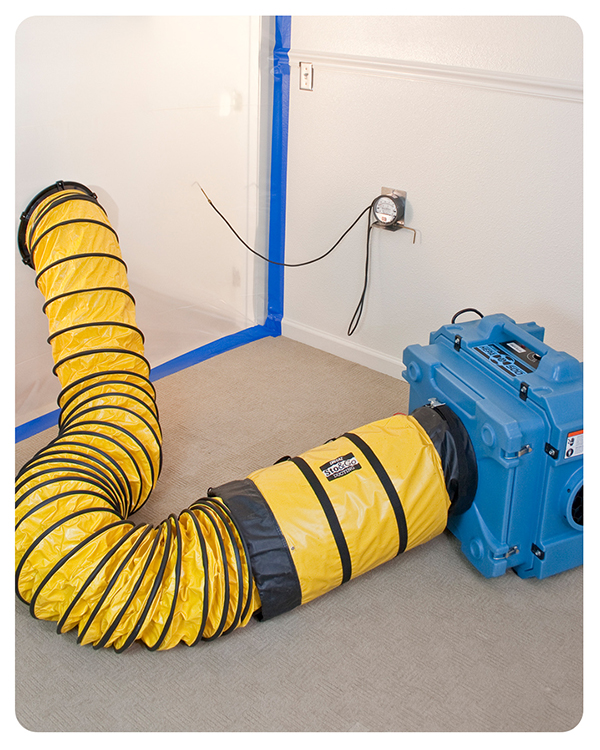
For enclosed indoor spaces or areas with sensitive equipment, use air scrubbers and negative air machines. Air scrubbers and negative air machines help control airborne dust and protect indoor air quality. These machines help eliminate toxins and dust via photocatalytic oxidation, a process that decomposes pollutants quickly and safely.
For Cleanup and Maintenance
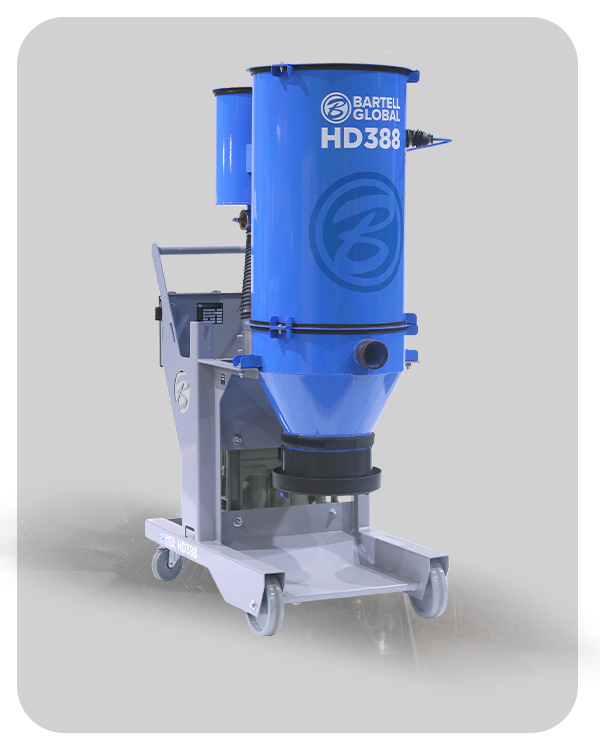
For indoor and outdoor sites that need regular cleanup and mechanical dust removal, use a vacuum with a HEPA filter. Industrial sweepers and HEPA vacuums are effective for daily cleanup and fine dust removal. For example, dry silica vacuums remove over 99% of silica dust particles. Slurry vacuums can effectively remove wet debris before dust goes airborne.
For Long-Term Dust Suppression
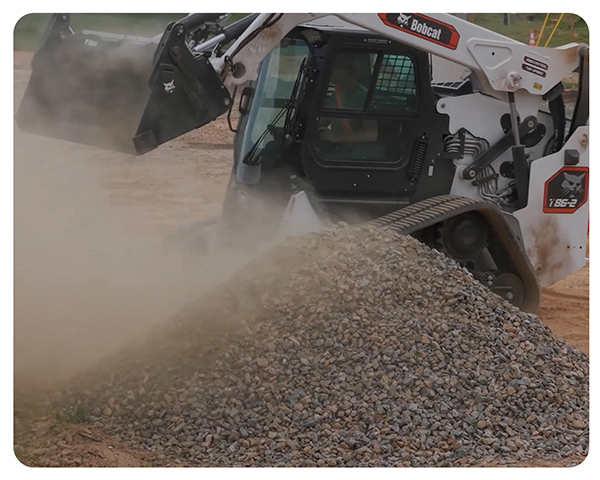
Specialized material-handling and earthmoving equipment, such as skid steers, can be used to apply soil stabilizing materials like gravel and mulch. They can also help apply road treatments for lasting results.
Creating Your Dust Control Plan
Once you understand how much dust control your project will need, it’s time to create an effective dust management plan. Follow these steps to make sure your teams are ready and will be successful.
- Assess the Site and Regulations: Start by assessing your site and identifying when and where dust is most likely to be generated. Also consider all safety regulations to make sure your dust control plan helps your project stay compliant.
- Choose Your Dust Control Methods: Match the needs of the site and the type of work you’ll be doing to the most appropriate dust control measures from the lists above. Choose the control measures that make sense for those areas, whether that is wet suppression, barriers or soil stabilization.
- Select Your Equipment: Work with a reliable equipment rental provider early in your planning process to identify and select the right mix of equipment. You may need water trucks for large outdoor areas as well as industrial vacuums to stay on top of cleaning.
- Assign Roles and Responsibilities: Assign roles so workers know who is responsible for monitoring dust levels and maintaining dust control equipment. Train your teams in proper dust control methods to help keep everyone safe and productive.
- Monitor and Adjust: Finally, make sure your dust control plan includes reminders for monitoring dust levels throughout the project. The plan should also include what steps to take if and when site conditions change. Be ready to adapt dust control methods, as needed.
Herc Rentals: Your Partner in Dust Control and Compliance
Managing dust takes more than just the right equipment. It takes experience and the right support to maintain safety and compliance.
At Herc Rentals, we understand the challenges that dust creates on a construction site. We have a wide range of dust control solutions and the expert guidance you need. Whether you need vacuums, air scrubbers, water trucks or equipment for long-term dust suppression, Herc Rentals can help you find the right fit.
Browse our full fleet of vacuum and dust control solutions, or call 1-800-432-6215 to get started today.
