Last Updated on July 1, 2026
Construction work is physically demanding and often requires repetitive motions, heavy lifting, and long hours in challenging environments. These conditions put significant strain on workers’ bodies, increasing the risk of fatigue, work-related injuries and long-term musculoskeletal issues.
Ergonomic tools are designed to support natural movement and reduce physical stress. As a result, they are a necessary tool for keeping workers healthy. Whether used for drilling, lifting, measuring or cutting, ergonomic tools help workers maintain comfort and efficiency as they work.
This article will help you explore what makes a tool ergonomic, why ergonomics matter in construction, and the types of ergonomic tools and equipment available to support safer and more productive work.
What Makes a Tool Ergonomic?
A tool is considered ergonomic when it is specifically designed to minimize physical strain, reduce fatigue and support the user’s natural body mechanics. Ergonomic construction tools prioritize comfort and usability by accommodating the shape of the hand, the worker’s posture and the repetitive motions required on the job.
Common ergonomic features include rubberized or cushioned handles, balanced weight distribution and adjustable components. For example, some tools are built with vibration-reducing technology, while others include angled grips to keep the wrist in a neutral position. Ergonomic power tools often have variable-speed triggers, lightweight frames and anti-kickback systems.
These design features ensure that ergonomic tools support worker endurance and precision, allowing tasks to be performed more safely and efficiently.
The Importance of Ergonomics
Ergonomic tools play a vital role in preventing work-related injuries and improving performance in the construction industry. By reducing the physical stress placed on workers’ muscles and joints, these tools can help prevent common job site injuries such as strains, sprains, tendonitis and lower-back pain.
For the worker, using ergonomic tools supports long-term health by lowering the risk of repetitive-strain injuries that can develop over years of demanding labor. For employers, the benefits can include fewer injury-related absences, improved worker morale and more efficient project completion.
Overall, ergonomic construction tools contribute to a safer, more productive job site where workers can perform their best.
- Learn more about ergonomics and safety standards: OSHA Ergonomics – Prevention of Musculoskeletal Disorders in the Workplace
4 Types of Ergonomic Construction Tools
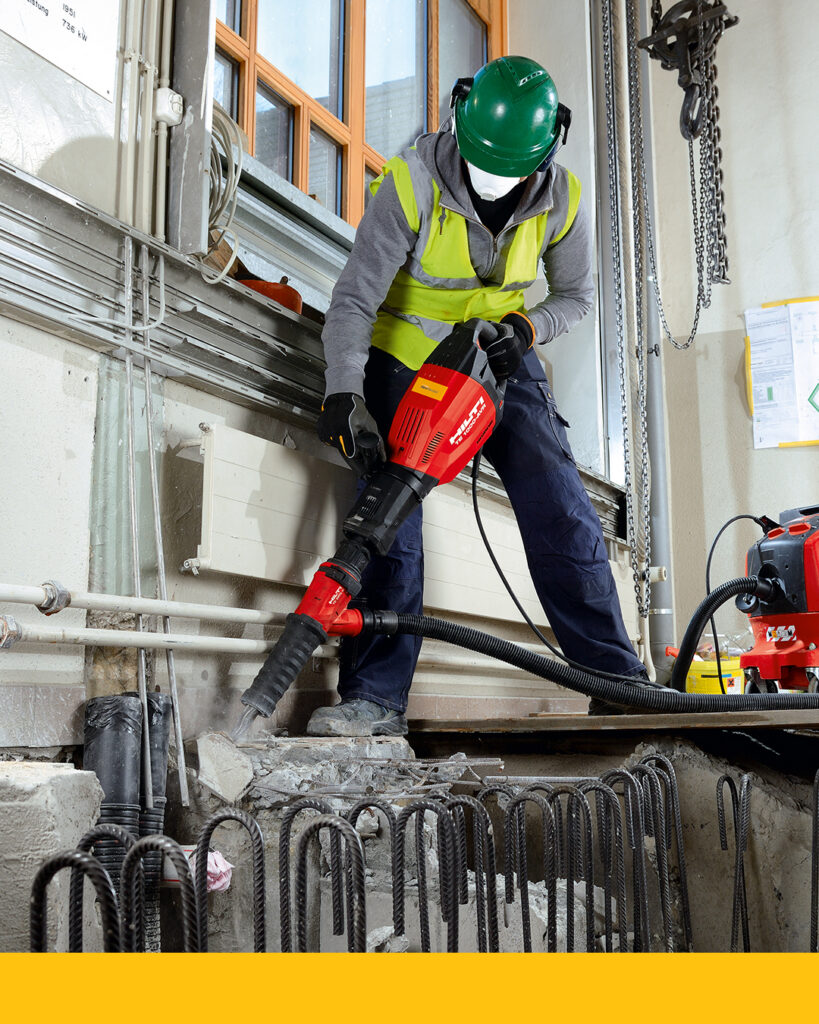
Ergonomic construction tools come in many forms, from simple hand tools to advanced power equipment and personal protective equipment (PPE). Each category offers features that help reduce strain and improve job safety.
1. Ergonomic Hand Tools
Hand tools such as hammers, screwdrivers, pliers and utility knives are used on almost every job site.
When choosing ergonomic hand tools, look for contoured, cushioned grips that improve comfort and reduce the force needed to hold or manipulate them. Anti-slip rubber handles prevent the need for overly tight gripping, which reduces hand fatigue during repetitive tasks.
Tools like offset-handle pliers or angled screwdrivers also help maintain neutral wrist alignment, lowering the risk of repetitive-strain injuries. Lightweight materials such as composite alloys further relieve strain during extended use.
2. Ergonomic Power Tools
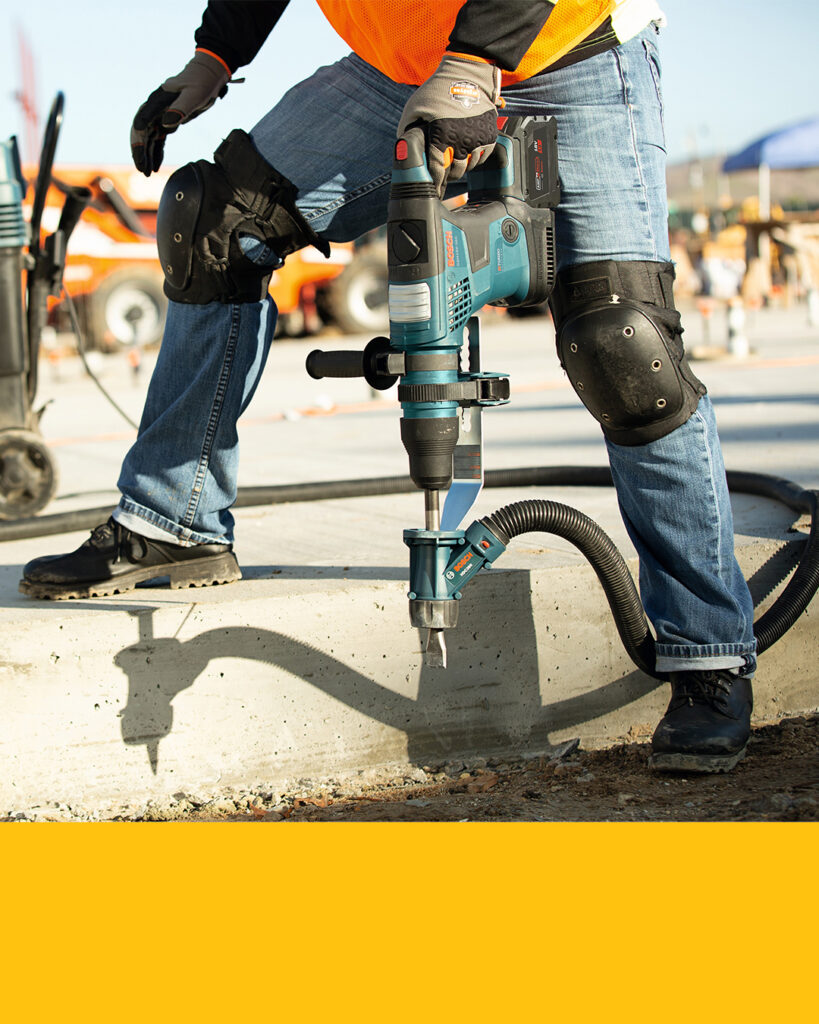
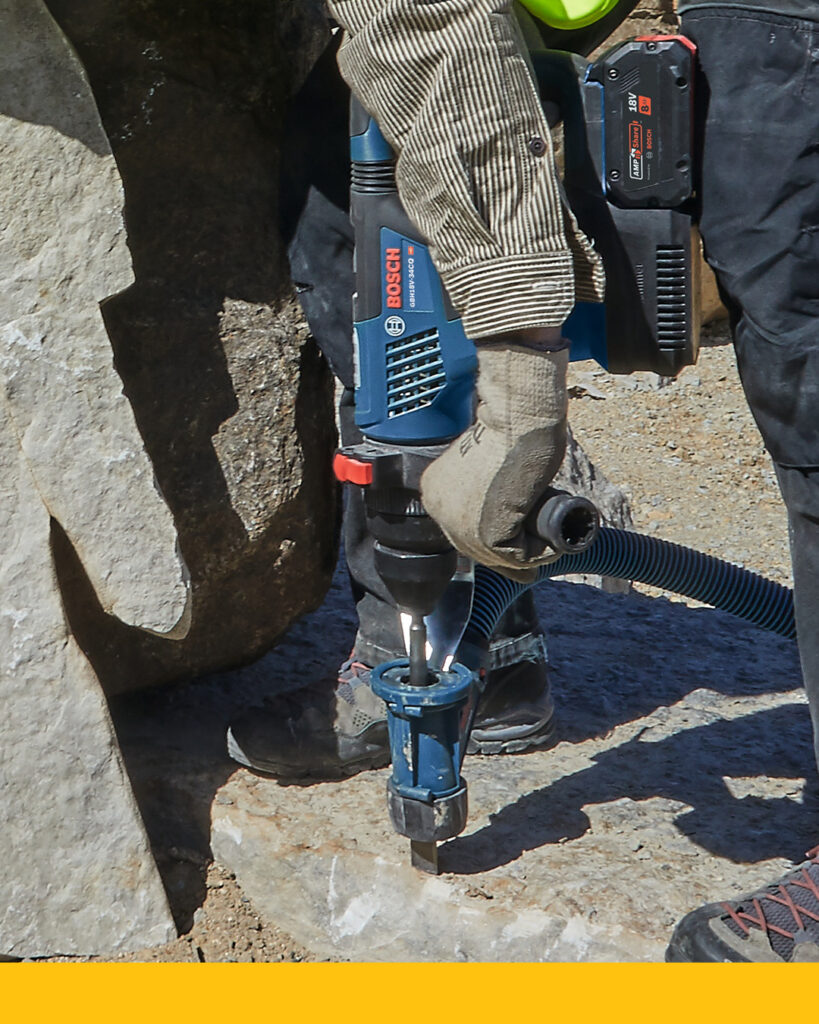
Power tools introduce additional stress from added vibration, torque and weight. Ergonomic power tools counter these challenges with features like vibration-dampening systems, balanced motor placement and lightweight designs.
Drills, sanders, grinders and saws often include multi-position handles and variable-speed triggers that allow operators to work more comfortably and maintain better control. Some cordless tools use improved battery placement to distribute weight evenly, reducing wrist and shoulder strain. Soft-grip surfaces and refined trigger mechanisms help reduce fatigue during precise or repetitive tasks.
3. Lifting and Material-Handling Tools
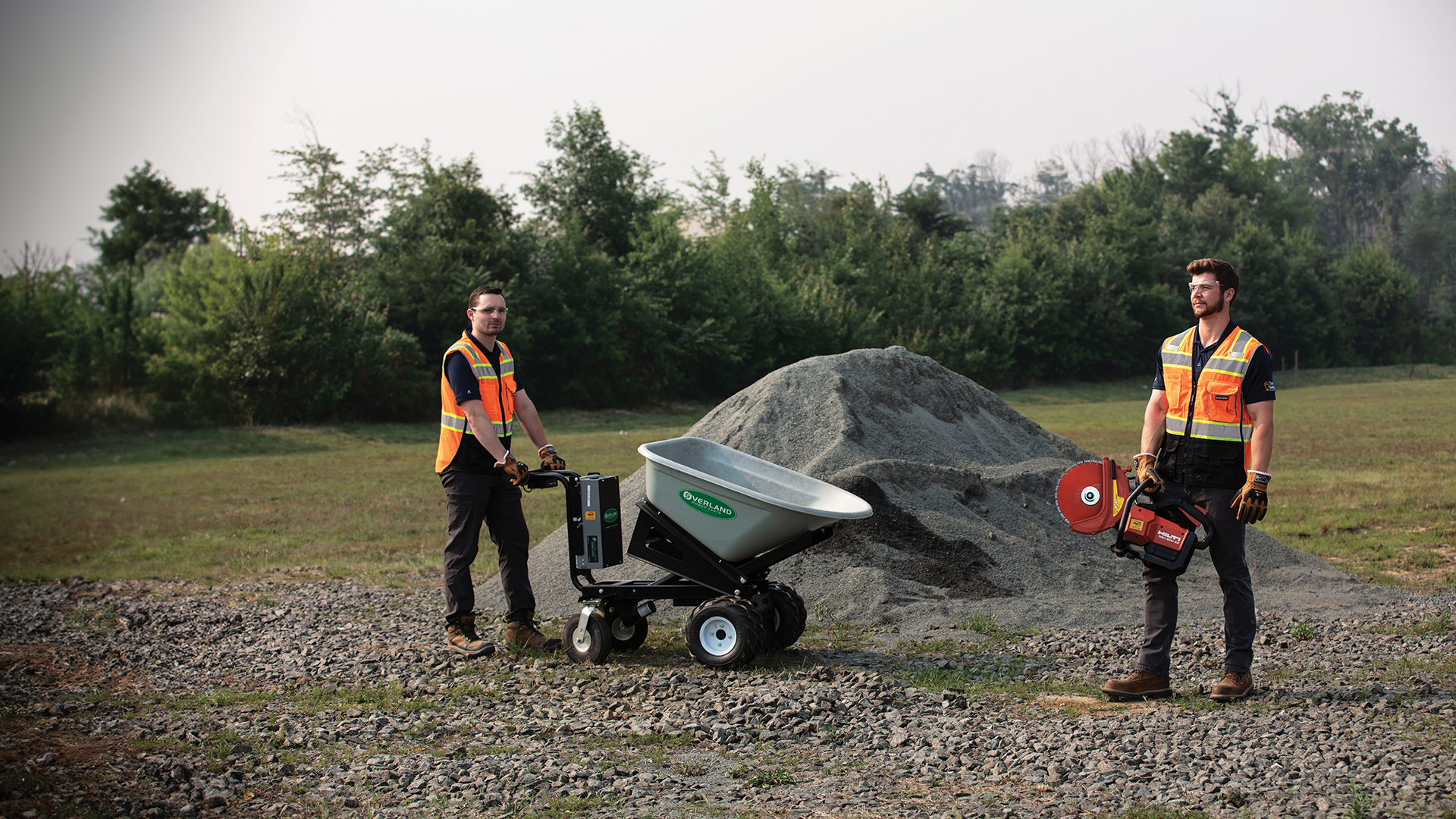
Many worker injuries stem from improper lifting techniques or from carrying heavy materials. Ergonomic material-handling tools — such as dollies, platform carts, lift-assist devices and adjustable worktables — help workers move items more safely.
These tools reduce the amount of bending, twisting and lifting required, significantly lowering the risk of back injuries. Adjustable-height workstations, for example, allow tasks to be completed without awkward posture. Lift-assist devices minimize strain during repetitive loading or unloading tasks.

4. Personal Protective Equipment (PPE) with Ergonomic Features
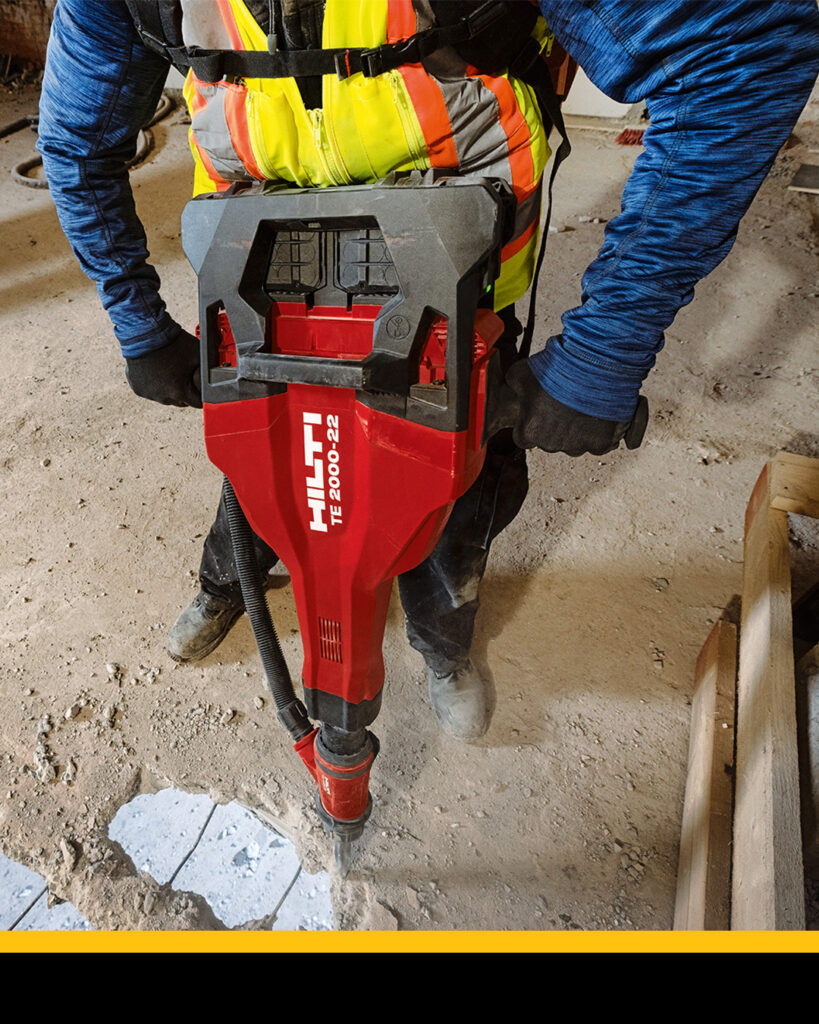
PPE can also be ergonomic. Safety harnesses with padded straps, breathable materials and contoured hip belts help reduce pressure points during extended wear. Knee pads designed with cushioning gels or hinged shells improve mobility and long-term comfort.
Anti-vibration gloves, wrist supports and lightweight hard hats ensure that even essential protective gear supports worker comfort without reducing protection.
Find Ergonomic Equipment for Your Next Project from Herc Rentals
Construction doesn’t have to be back-breaking. With the right ergonomic tools and equipment solutions, your team can tackle any job more comfortably and effectively.
When it’s time to rent ergonomic tools for your next project, turn to Herc Rentals. The equipment experts at Herc Rentals will guide you to the right solutions for your unique project and help keep your workers safe and healthy with ergonomic options.
Browse our selection of light construction tools, or call 1-800-432-6215 to gear up and get started today.