Last Updated on June 12, 2026
A warehouse with a comfortable, well-controlled climate supports more than worker comfort — it also protects products, equipment and daily operations. An efficient warehouse is one that maintains optimal temperature and humidity levels without wasting energy.
In large warehouses, heating, ventilation and air conditioning (HVAC) systems can significantly impact operating costs because it takes so much power to run them in a sizable space. By improving building energy efficiency, properly designed climate control systems help reduce costs, prevent damage and support safer, more productive warehouse environments.
This guide will help you understand how climate control helps improve warehouse energy efficiency and what solutions can help improve your warehouse’s climate.
How Do Temperature Fluctuations Impact the Cost of Running a Warehouse?
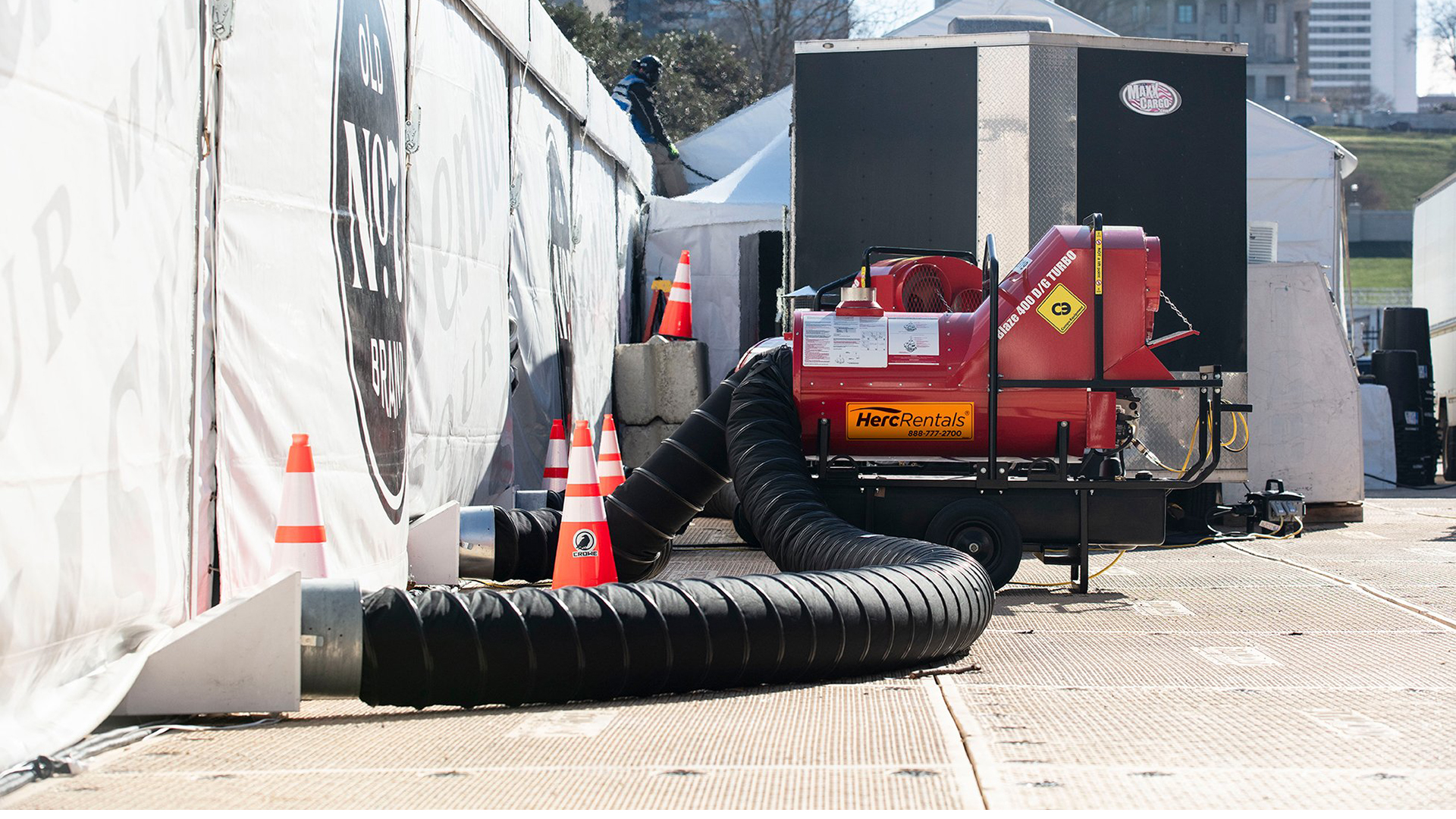
Warehouses are prone to temperature swings due to their high ceilings and limited insulation. As workers open and close doors, these conditions often create temperature stratification. Hot air gets trapped overhead and work areas remain uncomfortable.
Temperature fluctuations significantly increase warehouse operating costs. Each fluctuation forces HVAC systems to work harder and longer to heat or cool, driving up energy consumption.
Poor climate control also often creates other hidden inefficiencies, from excessive equipment runtime and maintenance to product damage and reduced worker morale and productivity. Plus, it can also be a costly compliance issue. Many safety regulations require employers to protect workers from the effects of excessive heat and other climate issues.
As you’ll see in the next section, when your warehouse has the right solutions in place, it pays off.
What Are the Benefits of Regulating Warehouse Climate Control?
Regulating warehouse climatic conditions can deliver many benefits that safeguard products, people and operations.
- Protect Products and Reduce Damage: Climate control helps prevent spoilage, mold growth, packaging degradation and structural damage caused by temperature swings. Proper temperature and humidity can extend shelf life, enhancing customer satisfaction and brand reputation.
- Support Worker Safety: Optimal temperature and humidity create a safer, more comfortable work environment. Reducing heat stress, cold exposure and condensation-related hazards helps lower the risk of accidents and supports employee wellbeing.
- Preserve Equipment: Warehouse systems — including HVAC, conveyors, lifts and automation — perform more reliably and last longer when kept within recommended environmental conditions. Proper climate control helps reduce wear, prevent overheating and minimize humidity-related corrosion.
- Boost Productivity and Efficiency: Comfortable conditions help employees stay focused and work more efficiently. A consistent temperature also supports uninterrupted processes such as packing, labeling and assembly.
- Improve Cost Control: Proper climate control can help minimize product loss, equipment maintenance and operational inefficiency. In total, operating costs lower over time. It also takes less energy to maintain a stable, consistent temperature than repeatedly recover from temperature swings. Consistent temperatures keep energy costs down.
- Meet Compliance Requirements: Some industries, such as food processing, require strict environmental controls. Climate control ensures regulatory standards are met and costly fines, recalls and rework are avoided.
- Reduce Damage from Natural Elements: Temperature and humidity control measures protect inventory from extreme weather, seasonal fluctuations and environmental stressors, preserving both product quality and building integrity.
Top 3 Ways to Enhance Energy Efficiency Using Climate Control Solutions
Now that you know how climate control helps improve warehouse energy efficiency, you may be wondering: “How do I make this a reality?” Small steps and the right equipment can lead to big energy savings over time. Consider these tips to enhance energy efficiency with climate control solutions.
1. Don’t Waste Energy in Off-Hours: Use Programmable Thermostats
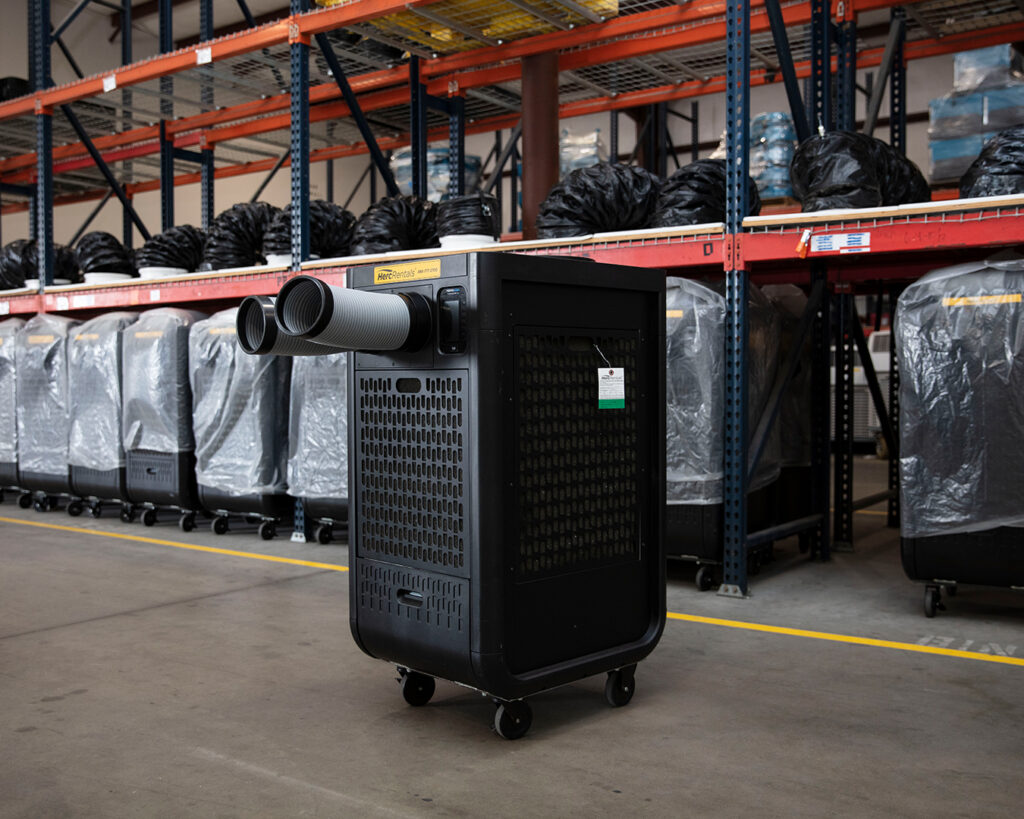
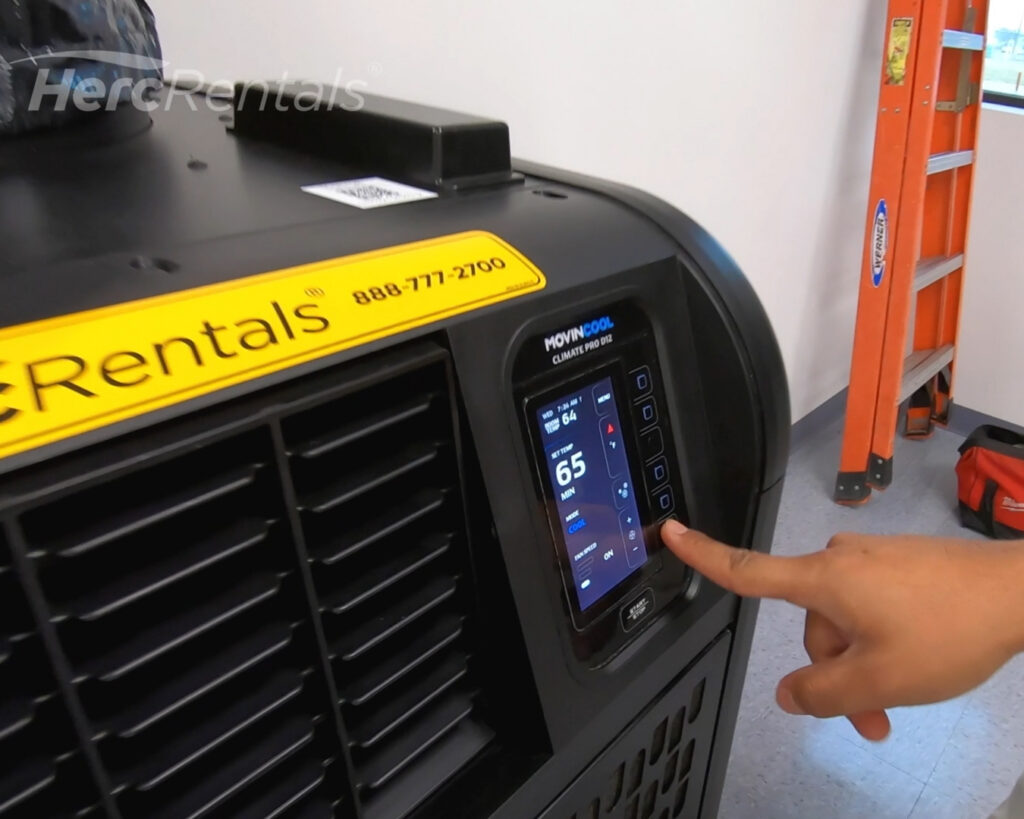
Always choose HVAC solutions with programmable thermostats, especially when you need portable units. Many heaters and portable air conditioners come with programmable thermostats to help improve energy efficiency.
Programmable thermostats help warehouse managers match energy use with actual demand. Because products and equipment can likely tolerate wider temperature ranges than workers, there’s often no need for extra heating and cooling during off-hours.
These thermostats also support zoning and microclimate control. Most warehouses don’t need uniform temperatures throughout the facility. Portable units with programmable thermostats can be strategically placed to keep offices, packing areas and docks comfortable. This approach minimizes HVAC use in low-occupancy or storage-only zones.
More advanced programmable or smart thermostats can track runtime and usage patterns. These patterns help identify efficiencies, fine-tune schedules and support sustainability goals.
2. Use Variable Speeds to Keep Up with Changing Climatic Conditions
Warehouse climate needs change throughout the day, week and season. Like programmable thermostats, equipment with variable speed drives align energy use with actual demand. This approach is preferable compared to running at full output all the time.
Variable speed climate control systems — like fans, HVAC systems and air handlers with variable frequency drives — adjust output to match changing conditions. They ramp up during peak activity or extreme weather and scale back during slower periods, improving efficiency without sacrificing comfort or productivity.
This targeted, flexible approach starts by analyzing energy use by time and location. You can identify patterns, like afternoon heat gain near dock doors, hot air pockets trapped in mezzanines or temperature spikes during certain shifts.
By understanding when and where these changes occur, warehouse managers can pinpoint areas of energy overuse. Then, they can fine-tune equipment speeds to reduce consumption while minimizing mechanical stress.
3. Look for Features That Improve Energy Efficiency
Climate control technology evolves rapidly. Renting climate control solutions gives you easy access to the latest features. You also get more efficient equipment without a large capital investment.
The latest portable heating, cooling and humidity control options will include features designed to reduce energy use. Look for models with the following features.
- Good Energy Efficiency Ratings and Certifications: Look for high-efficiency models with recognized labels, like Energy Star, and check manufacturer specs for seasonal efficiency ratings — SEER (Seasonal Energy Efficiency Ratio), EER (Energy Efficiency Ratio), HSPF (Heating Seasonal Performance Factor) or COP (Coefficient of Performance) — which indicate lower energy use for the same output.
- Built-In Monitoring and Connected Controls: Real-time dashboards track runtime, setpoints and alarms, helping you identify waste such as equipment left on after hours. Telematics or remote monitoring can send performance updates or fault alerts directly to a portal, inbox or phone for quick adjustments.
- Load- and Condition-Responsive Operation: Look for units that modulate output based on temperature or humidity sensors, rather than cycling at full power that use less energy.
- Cleaner Power and Reduced Heat Gain: Models with battery power or high-efficiency electric equipment reduce emissions and limit heat from combustion engines, lowering overall cooling demand while improving indoor air quality.
Other Strategies for Improving Building Energy Efficiency
Beyond temperature and humidity control, other strategies can help you regulate energy use and improve overall efficiency at your warehouse.
- Switch to Energy-Efficient Lighting: Maximize natural light and switch to LED fixtures, which use less power than traditional metal halides and last longer. Combined with smart controls, like motion sensors, dimmers and automated timers, lights operate only when needed.
- Ventilate Properly: Proper airflow prevents hot spots and improves air quality. Use fans or blowers to circulate air, remove dust or particulates, and maintain a consistent temperature without overworking HVAC systems.
- Insulate and Weatherproof: Adding insulation, weather stripping and air curtains retain heat in winter and keeps spaces cooler in summer. Seal gaps around doors, windows and other entry points. Doing so prevents air leaks and reduce HVAC demand to heat or cool.
- Add Energy Management Systems: These systems monitor, control and optimize use across lighting, HVAC, material handling and other systems in real time. They help cut energy costs, shift loads off-peak, reduce maintenance and support compliance.
- Optimize Layouts: Efficient warehouse design minimizes travel distances, maximizes vertical space, optimizes aisle width and defines distinct areas for receiving, storing, picking, packing and shipping. Thoughtful layouts prevent congestion, support one-way traffic, and offer flexibility and scalability.
- Train Employees: Teach staff simple habits to improve energy efficiency, such as shutting off idle gear. Over time, these practices can have a measurable impact on total energy use.
- Streamline Material Handling: Use equipment like automated guided vehicles, conveyors, electric forklifts, pallet jacks and air pallets to streamline warehouse processes. This equipment can help reduce labor and picking costs while improving operational safety.
Achieve Energy Efficiency with Climate Control Solutions from Herc Rentals
An energy-efficient warehouse starts by having efficient climate control systems in place to cut waste and optimize performance. Herc Rentals is here to help.
Our high-efficiency climate control equipment makes it possible to implement these solutions without the burden of long-term capital or ongoing maintenance. When you partner with Herc Rentals, we’ll make sure you have the solutions you need to respond quickly to seasonal demands, peak workloads or unexpected outages. We can also support longer-term projects.
Our fleet of heating, cooling, ventilation and humidity control solutions can be rapidly deployed or seamlessly integrated on-site. Backed by expert support, Herc Rentals can help you keep operations running efficiently, protect inventory and equipment, and maintain safe working conditions.
Explore our wide selection of energy efficient climate control solutions, or contact a specialist today at 1-800-432-6215.