Last Updated on December 17, 2025
A skid steer is a dynamic, compact, versatile machine. Renting a skid steer can make your projects more productive and efficient, provided you know how to rent a skid steer for the intended purpose. With the right skid steer guide, you and your team can provide quality and efficient services, confident that you have the best equipment for your industry and unique project needs.
What Is a Skid Steer Loader?
Skid steers are named for their unique turning system. The wheels — or tracks — on each side of the machine can turn independently of each other, allowing it pivot or “skid” in place.
Skid steers often come with a bucket attached to the front of the machine, but the bucket can be swapped out for a variety of other attachments. Skid steers’ maneuverability and material handling capabilities make them useful for many construction or earthmoving tasks.
Types of Skid Steers
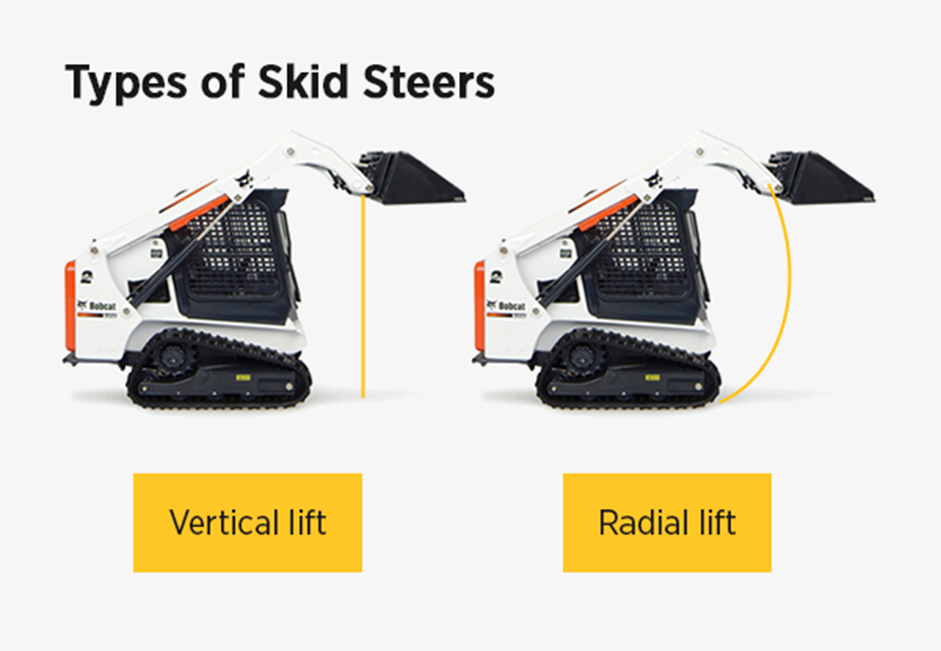
Skid steers come in many shapes and sizes to suit your unique job requirements and surface preparation needs. These machines are categorized by how they lift and how they move.
- Vertical Lift: This skid steer keeps the load close to the machine throughout the lift path. It has a more complex linkage system and multiple pivot points, giving you more reach and versatility. Vertical lifts are perfect for material handling, stacking, loading and augering.
- Radial Lift: A radial lift skid steer has an arm on the rear that pivots, extending upwards and outwards. These machines have the best mid-range reach, making them ideal for tasks at or below eye level, such as digging, pushing, loading, backfilling and grading.
- Tracked: Skid steers with tracks are ideal for soft or uneven terrain where more grip is needed to maneuver the machine. While they offer a lot of worksite flexibility, they can do more damage to lawns and other surfaces than wheeled versions.
- Wheeled: Skid steers with wheels work well on flat, even ground and do much less damage to surfaces like lawns than tracks do.
All skid steers also have a rated operating capacity (ROC) and frame size. The ROC and frame size can increase your project efficiency when matched with the project’s size and scope.
What Is a Skid Steer Used For?
Minimizing costs and boosting efficiency are primary considerations whenever you begin a project. Although primarily used for digging and hauling, skid steers are versatile — using a single machine to perform varied functions reduces rental costs. It also boosts productivity, one of the reasons skid steers are so popular across different industries.
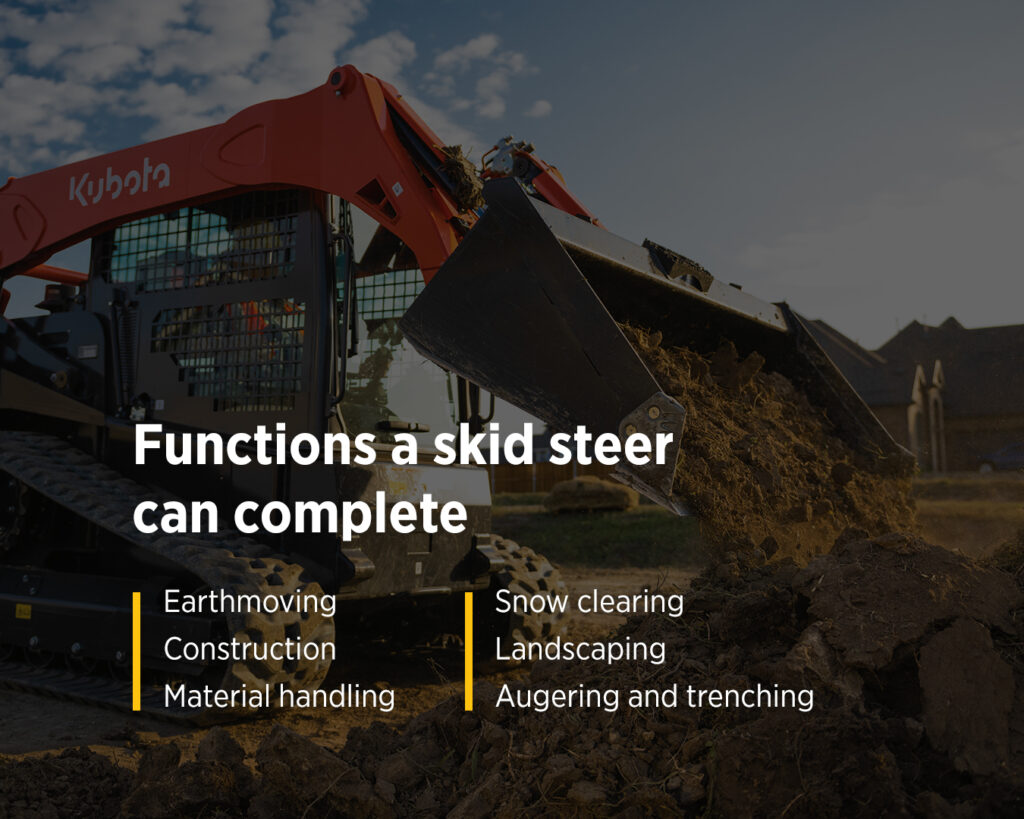
Some of the functions a skid steer can complete include:
- Earthmoving: Skid steers are compact yet powerful machines, making them ideal for residential and commercial earthmoving applications. They can navigate hard-to-access areas, move heavy materials, and tackle ground leveling projects with ease.
- Construction: Skid steers make great construction tools for working in tight spaces on construction sites, performing tasks like sweeping, milling pavements and transporting materials.
- Material Handling: Skid steers’ advanced maneuverability and efficient lifting capabilities make transporting materials around job sites safe and convenient.
- Snow Clearing: Skid steers can clear snow even with a standard bucket, although snowblade and blower attachments can expedite the process.
- Augering and Trenching: Skid steers can create precise trenches and auger holes for fences, tree planting and utilities with specialized attachments.
- Landscaping: The versatility of a skid steer is ideal for landscaping projects. Attachments like brush hogs, trenchers and stump grinders make them suitable for landscaping projects.
Renting vs. Buying: A Strategic Decision
Cost savings are always paramount when running a construction or landscaping business. Deciding whether you should rent or buy a skid steer is a big decision. There are more considerations than the cost, and you may have questions about finding or choosing a reliable equipment rental provider.
Buying a skid steer means you can use the machine whenever you need it, and it’s an investment in your business — but it can be a significant financial commitment. As the owner, you’re responsible for all maintenance, repairs and long-term storage costs. This may make sense if you need to use the same machine daily for several years. However, if you will only use the skid steer for specialized tasks or the occasional project, renting is often a better choice. Also, having construction tools with the latest technology is another reason to rent a skid steer. Renting the latest models can help your team amp up their effectiveness for less than it costs to regularly update your fleet.
The Benefits of Skid Steer Rentals
Deadlines are critical in landscaping and construction, and a skid steer can boost your project efficiency. Renting a skid steer offers significant benefits, from accessing the latest technology to avoiding the hassles of storage and maintenance. With a rental, you can save money using innovative features to increase productivity and precision on every job.
A rental is also an excellent option if you work at various locations. Many rental partners offer on-site rentals, taking care of the transport so you can rent from the site. If you’re considering purchasing a skid steer, a long-term skid steer rental allows you to familiarize yourself with the equipment before you commit to an investment.
Skid Steer Rental Benefits:
- Practicality: Skid steers are relatively small compared to some other heavy equipment rentals. However, they are still powerful enough to complete various tasks in congested areas or tight spaces.
- Safety and Visibility: Skid steers lack the bulkiness of other equipment, giving operators a better line of sight and improving safety on your job site. This visibility also results in precise and efficient work, improving overall project quality.
- Cost-Effectiveness: Skid steer rentals are fuel-efficient and easy to transport, reducing overall costs. Reliable rental partners also deliver and collect your equipment, making the process more convenient.
- Adaptability: Having a selection of attachments available with the skid steer means you can complete various tasks, streamlining your workflow and reducing downtime.
- Ease of Use: Skid steers are easy to operate, with intuitive joystick controls and unobstructed driver seat access. These machines also offer excellent maneuverability, turning in a tight radius to work in confined spaces.
The Importance of Choosing the Right Equipment Rental Partner
Many organizations choose to rent skid steers to benefit from the cost savings. You can enjoy considerable savings depending on the frequency and duration of your projects. However, choosing the right rental provider is essential. A reputable rental partner prioritizes customer service, giving you the following advantages:
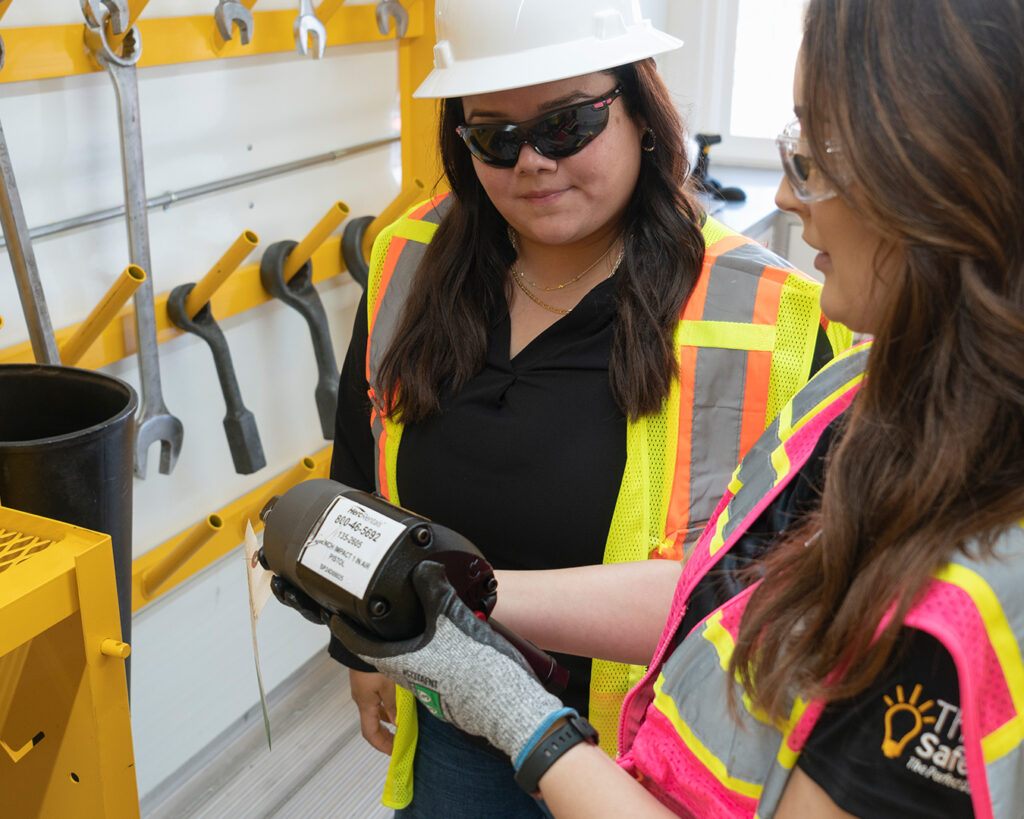
- Guidance and Expertise: A reputable rental company has a team of experts who assess your needs and ensure your rented equipment is up to the task. They’re available to answer questions and troubleshoot if your equipment fails. They can also train your crews on safe operation and how to avoid safety hazards.
- Reliable Equipment: Your rental partner should maintain and clean all equipment when it returns from a job so you can rent confidently, knowing experienced technicians have inspected and cleared it for work.
- Access to a Broad Equipment Selection: Choosing a rental partner that offers a wide range of equipment means you can get all the gear you need in one place. They will keep updating their selection so you can access the latest features to streamline your workflow.
Tips for Choosing the Right Size Skid Steer for Your Project
The right tools significantly impact construction project success, and skid steers are no exception. With many skid steer models available, making the wrong choice can slow you down and increase project expenses.
The first rule of skid steer rentals is to choose a machine that meets your project needs. The terrain, type of project, lifting needs and environment all influence your final decision.
Some principal considerations when choosing a skid steer include the following.
Skid Steer Size
Skid steer size is the most critical consideration for any project. The necessity of the skid steer’s size depends on the site and job requirements. Finding the right skid steer requires balancing a machine that fits in the available space with enough horsepower and ROC to lift the necessary materials.
A skid steer too small for your project can be dangerous, as overloading can push it past its tipping point. It will also be less cost-effective, using more fuel and making more trips to complete the same task. Conversely, if your machine is too large, it may not fit in the available space or damage the ground. You’ll also pay for horsepower and lifting capacity you don’t need.
Keep the following factors in mind.
- Rated Operating Capacity: ROC outlines how much weight a skid steer can carry without reaching its tipping point. The higher the ROC, the higher the engine output and the more advanced the hydraulic system.
- Weight and Size: Skid steer frames can be small, medium and large. Large frames often have the highest ROC, while small frames are compact enough for urban construction and landscaping applications.
- Lifting Needs: Consider whether a radial or vertical lift frame is better suited to your project, as this aspect affects skid steer balance.
Match the Equipment with the Project
Aside from size, your skid steer choice must align with other project elements, including:
- Terrain: Your skid steer rental must remain safe and functional regardless of the terrain. Wheeled skid steers are excellent for flat surfaces or minimizing damage. Tracked models are ideal for soft or uneven terrain.
- Operator Comfort: Traditional skid steers operate via levers and foot pedals, while more modern versions have joystick controls, which are more comfortable for most drivers.
Customizing Your Skid Steer with Attachments
A skid steer can perform numerous tasks with the proper attachment. Most skid steer attachments are designed to be universal, and you can use adaptors to make your rental more convenient.
- Buckets: A bucket is one of the most common skid steer attachments, and they come in various sizes to suit many material handling tasks.
- Trenchers: With a trench attachment, you can dig holes for footings, drainage ditches or utility lines.
- Backhoes: Your skid steer can double as a backhoe loader so that you can complete numerous additional landscaping and construction tasks.
- Grapples: This attachment is invaluable in earthmoving applications, able to grip and move rocks, rubble and other debris. Some have tines for pulling roots and stumps in land clearing, while others secure and move large materials.
- Brooms: A broom attachment makes site cleanup more convenient. Many come with adjustable bristles to suit various materials.
- Augers: An auger makes drilling holes for trees, fence posts and footings easy.
One of the many benefits of renting a skid steer is that you can customize your machine and attachments for each project. Your rental partner can provide customized attachments, boosting task-specific efficiency. Your team will be able to work confidently, and with the right equipment, you can expect improved productivity.
How Much Does It Cost to Rent a Skid Steer?
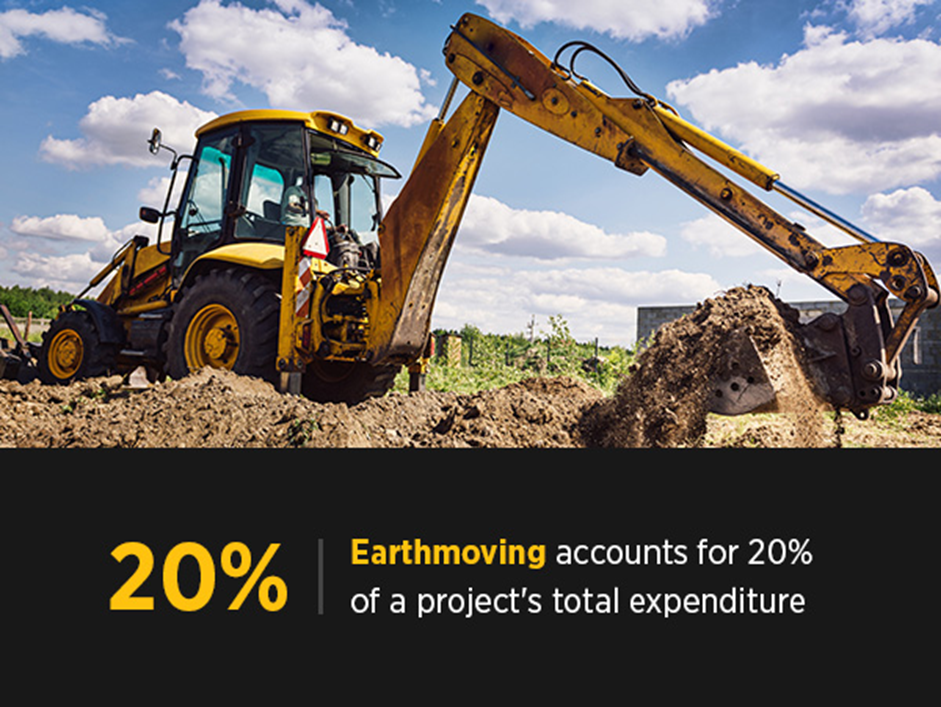
A massive 78% of construction projects go over budget, and earthmoving accounts for 20% of a project’s total expenditure. Skid steer rental price is one of the most crucial elements of every project. Your specific rental cost will depend on several factors.
Although it’s always best to discuss your project requirements and budget with a trusted rental partner, some of the following factors may affect your rental pricing:
- Project Timeline: Consider how long you need a skid steer for your project. Monthly or weekly skid steer rentals are more cost-effective than renting by the day, so discuss longer-term options with your rental partner.
- Skid Steer Size and Type: Although large, powerful skid steers can complete some projects faster, they often come with additional fuel costs and are more expensive to rent. Find a balance between power and expense to maximize your budget. The type of skid steer you need can also affect your rental costs. Tracked skid steers are more expensive than wheeled models, for example.
- Location: Your rental provider can deliver and collect your equipment. The price for this service may change depending on your project location.
- Attachments: Project-specific attachments like pallet forks and snow blowers may come at additional cost. You may need to rent them separately, so discussing this with your rental partner is best.
- Fuel: You are responsible for the fuel costs during your rental period. Consider how much fuel you’ll need for your project, and factor the amount into your budget.
- Operator Training: Operators may need training to get familiar with the equipment. A reliable rental provider will train your team on the rented equipment to boost project safety and efficiency.
Rental Agreements and Insurance Explained
When you rent a skid steer, your rental partner will ask you to sign an agreement and provide information about your project, including:
- The job site address
- Company and contact information
- Payment options
Each rental company has a different rental agreement. Review yours carefully and ask questions focusing on insurance, servicing and billing. Always prioritize transparency and fairness in your rental agreement and work with a convenient, ethical service partner.
Many rental partners want proof of your rental equipment insurance to proceed with your rental, covering you and them in case of a job site accident or theft. A rental protection plan provides complete equipment protection and no out-of-pocket repair costs for covered stolen or damaged gear.
Skid Steer Rental FAQ
Finding the right skid steer can be complex, but the following answers to these commonly asked questions can provide some clarity.
1. Do You Need a License to Operate a Skid Steer?
While no law in the United States mandates special licensing to operate a skid steer, the Occupational Safety and Health Administration’s general safety and health provisions require operator training. Employers are required to train their operators so they can recognize and avoid safety hazards.
2. Are Skid Steers Safe?
Operating heavy equipment comes with a degree of risk. However, 20% of skid steer injuries and fatalities directly result from operators bypassing built-in safety features. When you choose the appropriate skid steer for the job, train your operators and leverage skid steer safety features, you mitigate many risks.
It’s important that operators, and those working around skid steers, are trained on your specific model. Quality rental providers will often offer safety-focused training courses specific to the make and model that you’re renting.
3. Are You Liable for Damage or Theft of Your Rented Skid Steer?
A liability damage waiver does not cover accidental loss or damage to your rented skid steer. However, a rental protection plan can save you thousands of dollars. All you need to do is open a police report or explain how the damage occurred.
4. What’s the Difference Between a Skid Steer and a Track Loader?
The main difference between a skid steer and a track loader is that skid steers have wheels and track loaders have tracks. Skid steers are generally smaller and lighter with the driver sitting slightly higher than in a track loader.
- Learn More: Skid Steers vs. Track Loaders
5. How Long Can You Rent a Skid Steer For?
Many rental companies offer short-term and long-term rentals. Long-term contracts can greatly reduce the per-day cost of the skid steer. So, if you will need the skid steer for multiple projects, try to schedule the projects in such a way that you can rent for several weeks or months. Doing so will often be more cost efficient than renting the machine for multiple short-term periods. Additionally, a reliable rental company will work with you to come up with rental agreement terms that allow you to meet your project and budgetary goals.
Trust Herc Rentals for All Your Skid Steer Rental Needs
Renting the perfect skid steer for your next job involves a set of checks and balances to boost project efficiency and profitability. Working with a reliable rental partner makes your skid steer rental easy so that you can focus on deadlines and high-quality work. At Herc Rentals, we believe rentals should be convenient. Our team handles logistics, delivers and collects equipment, and provides comprehensive safety training.
We have all the expertise and gear you need to keep your project running safely. Our rental equipment undergoes thorough inspection and maintenance after every rental so that you can work with confidence. Browse our extensive selection of trusted skid steer brands or contact us for more information on your next rental today by calling 1-800-432-6215.