Last Updated on November 26, 2025
For some, autumn is a great time to start construction projects. It’s also an excellent time to prepare your project site for the winter months ahead.
Construction projects tend to slow down once the chill returns to the air and trees start shedding their leaves. But for some — and for a variety of reasons — building in the fall is an ideal opportunity.
With the price of building materials typically seeing major discounts in the fall and less competition for skilled laborers due to the decrease in the number of construction projects, it’s no secret your dollar can go a lot further in the fall.
In this article, you will learn why now is the perfect time to take advantage of the changes in weather and market forces to make your construction projects as profitable as possible. Read on to find the benefits of building in the fall.
The Advantages of Building in the Fall
In many ways, fall is the ideal building season in North America. While some regions may experience some unexpected weather, fall is often milder than other seasons. In autumn, you can avoid the extreme heat of summer and cold stress of winter. The soil also tends to be more workable, since you can avoid the over-baked dirt of summer, the frozen ground of winter and the mud and wind of early spring.
Another beneficial aspect of building in the fall is the market condition. With less demand and fewer projects, materials may be discounted. Additionally, workers and inspectors have more availability to dedicate to your projects.
5 Reasons Why You Should Start Construction in the Fall
Whether a sudden construction project arises or you simply want to maximize the value of your operations, here are five reasons to start construction in the fall. Consider how each might help you streamline operations or provide better results for your customers.
1. Faster Permitting and Inspections
Unlike the spring and summer months, when governmental agencies are bombarded with permitting requests, the fall slowdown means the approvals you need to build are often expedited at a faster pace.
Additionally, banks and title companies also tend to see a slowdown in autumn, which may mean you’ll get faster responses and more dedicated service.
- Tip: Build good relationships with municipalities and agencies. Work with them to schedule high-priority, fast-paced projects for their slow season.
2. Ideal Conditions for Concrete Digging and Pouring
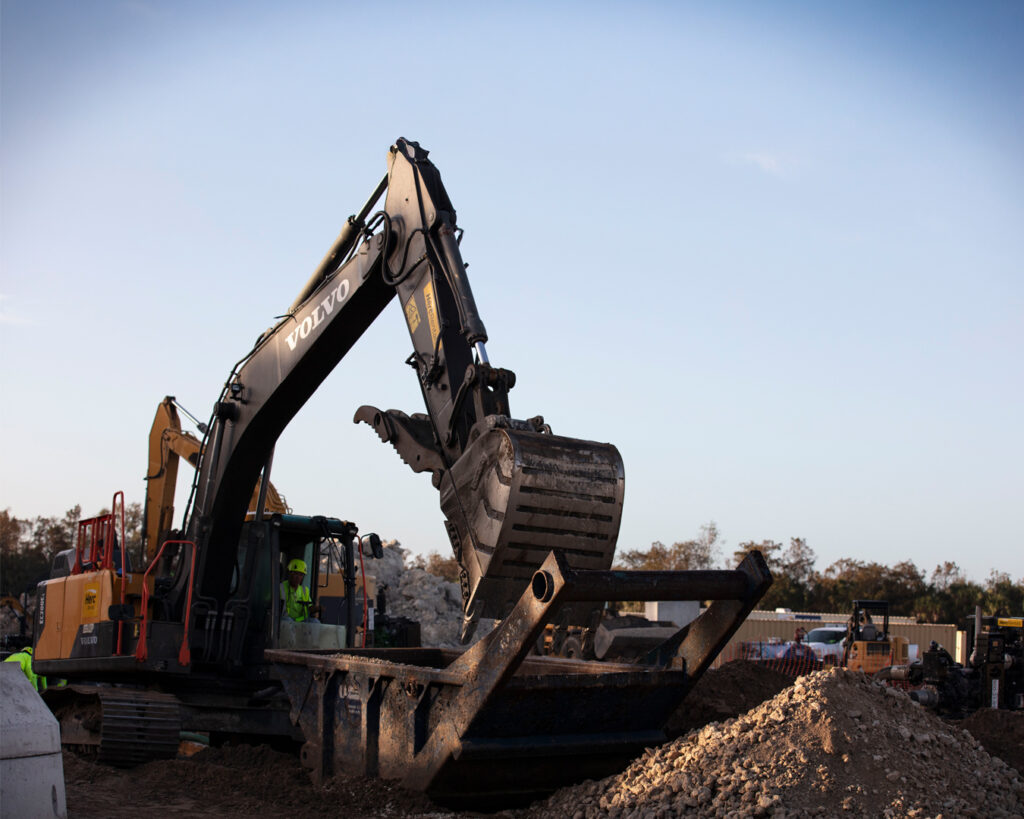
With heavy summer rains and high temperatures in the rearview, autumn’s cool, dry weather is the perfect time for digging, filling and excavating. Autumn is also the perfect time to begin a road, sidewalk, driveway or foundation project.
Need convincing? Consider this: the ideal temperature to pour concrete is between 50 to 60 degrees Fahrenheit (F) or 10 to 15.5 degrees Celsius (C). When summer temperatures exceed 90°F (32°C), that heat may alter water, cement and aggregate ratio due to water evaporation. This may result in a weaker final product, as well as abnormalities in shape or form. Conversely, when pouring concrete in temperatures below 40°F (4°C), the hydration process may take more than a day.
Additionally, pouring concrete in a cold environment can cause water in the cement to freeze and expand, resulting in the top layer of fresh concrete breaking off from the layers underneath. Even worse, it can lead to the cracking of the building’s foundations, resulting in a collapse.
- Tip: Fall can have unpredictable weather patterns, so look at weather forecasts and trends in your area. Having a good relationship with a reliable equipment rental provider will help you secure the best concrete equipment quickly, when you have a window of ideal weather.
3. Great Time for Preparing Indoor Winter Work and Small Projects
If you time your autumn construction project right, you’ll not only be ready to work indoors once winter arrives, it’s also possible your project will be near completion once the warmer weather returns in the spring.
Autumn is also an ideal time to take on some smaller projects. These projects can include upgrading windows and doors, building or protecting a deck, installing a new floor, insulating interior plumbing, or giving your building a new layer of exterior paint.
- Tip: Take inventory of your equipment and light construction tools. Make sure you have what you need to handle an influx of indoor or smaller projects.
4. Enhanced Comfort and Productivity
When it comes to weather, fall is one of the best times to be working outdoors. With blazing summer heat and blistering winter cold, workers have to spend a lot more time dealing with the effects of extreme temperatures.
In the spring, temperatures may be conducive to outdoor work, but many locations have a lot more storms than in the fall. Spring’s wet weather can turn soil into mud and create slipping hazards.
Unlike the summer months, where long, sweltering days can stifle productivity, the shorter and cooler fall days have the opposite effect. Despite shorter daylight hours, autumn’s cooler temperatures can boost your teams’ effectiveness.
- Tip: Don’t let shorter days stop you from taking advantage of cool, dry weather. Keep project sites safe with these 7 Nighttime Construction Safety Tips.
5. Potentially Lower Material Costs
By fall, most projects are wrapping up, and few projects are starting. This slowdown leaves suppliers with excess materials and equipment. To prevent those supplies from taking up valuable warehouse space for the next four to six months, many suppliers may offer steep discounts.
- Tip: Use this opportunity to streamline your costs. Research pricing trends and talk with your trusted suppliers to find out if they have any seasonal discounts. Schedule projects to start in the fall, or stock up on supplies now for next year’s busy season.

Fall Projects to Consider
As you just learned, autumn is an ideal time to take on some projects you may not normally consider during busier seasons. Want more ideas? Here are some fall projects that can help you maximize the value of your operations and equipment rentals.
Exterior Projects to Perform in the Fall
- Outdoor Decks and Patios: Autumn is also the best time for outdoor decking and patio projects for businesses and homes. The soil is usually softer than summer but not frozen, making it easy to start building. It’s also the right time of year for repairing, washing and resealing decks so they have maximum protection against the cold and ice of winter.
- Exterior Painting: Not only will you be protecting properties from winter weather while also enhancing curb appeal and professional appearance, fall’s cooler temperatures allow you to work faster and more comfortably. The best time for exterior painting is when temperatures are between 55 to 70°F (12–21°C).
- Home Building: Building in the fall offers soft soil, mild temperatures, and less mud and dirt to contend with. Additionally, homes can often be built faster and cheaper in the fall than in summer. The price of common construction materials generally drops as other projects wrap up. Workers have fewer projects to juggle and can prioritize the home build. Finally, government agencies are less busy and can complete permitting and inspections more quickly.
- Landscaping: In autumn, heavy equipment used earlier in the year are now sitting idle. Maximize their value by using them on smaller jobs you wouldn’t normally take on, like landscaping. Plus, many plants do best when planted, transplanted or pruned in the fall when they start to go dormant.
Interior Projects to Take On in the Fall
- Windows and Doors: Perhaps there is no better time than the fall for replacing windows and doors. Residential and commercial customers will immediately see the impact of upgraded doors and energy-efficient windows (and your hard work) on their day-to-day life as the days get colder.
- New Floor Installation: Many types of flooring require adhesives that need indoor temperatures to be between 75 to 80°F (23–26°C). In the winter months, glue may not dry properly, possibly resulting in bonding issues.
- Irrigation Blowouts and Plumbing Insulation: When the leaves turn brown, it’s time for an irrigation blowout and shutdown. Every time an irrigation system turns on, trace amounts of water are left behind in the pipe. When temperatures drop in late fall and winter, water left inside the system can freeze, weaken pipe walls or cause widespread damage to system components like nozzles, heads and more. Irrigation blowouts and plumbing insulation performed by a professional can save property owners in the long run.
Gear Up and Start Construction in the Fall with Herc Rentals
With its mild weather, cheaper prices and faster timetables, fall is an ideal time for getting a little more work done before the end of the year.
No matter which fall construction projects you take on, the equipment experts at Herc Rentals will help you make sure you have the best equipment and solutions to get the job done.
Explore our wide selection of light construction tools and jobsite solutions, or call 1-800-432-6215 to get started today.