Last Updated on August 4, 2026
From busy construction sites to manufacturing facilities and other industrial environments, the materials within the space and equipment in operation can lead to potentially harmful air pollutants, especially in an enclosed area.
Mitigating indoor air pollution is not only a matter of productivity, but also a matter of safety for workers. So, what is a facility manager supposed to do to ensure proper indoor air quality? We’ll walk you through the difference between an air purifier vs. air scrubber, and even compare an air scrubber vs. a negative air machine. The comparison will help you determine which climate control system is best for your space.
What Is the Main Difference Between an Air Purifier and Air Scrubber?
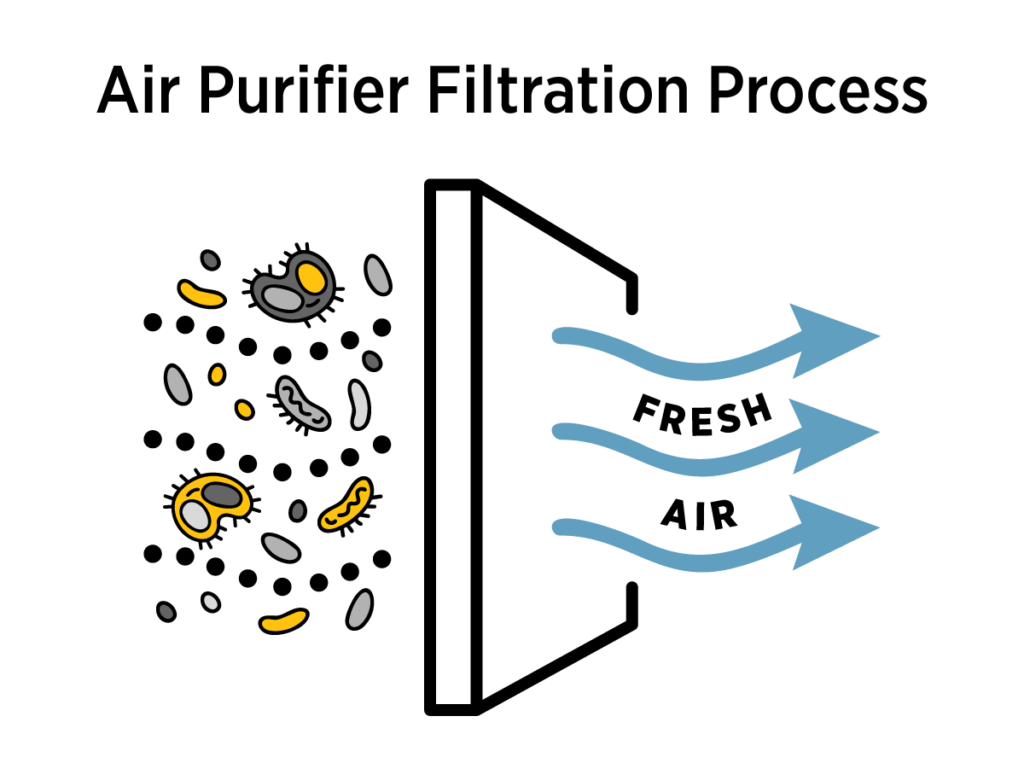
In a nutshell, the difference between an air scrubber and an air purifier has to do with the kind of particles they clean during the air filtration process. Air purifiers are typically designed to pull airborne particles through the equipment and filter them out within the purifier itself. They do not help remove particles that may be attached to surfaces such as walls, floors or other equipment.
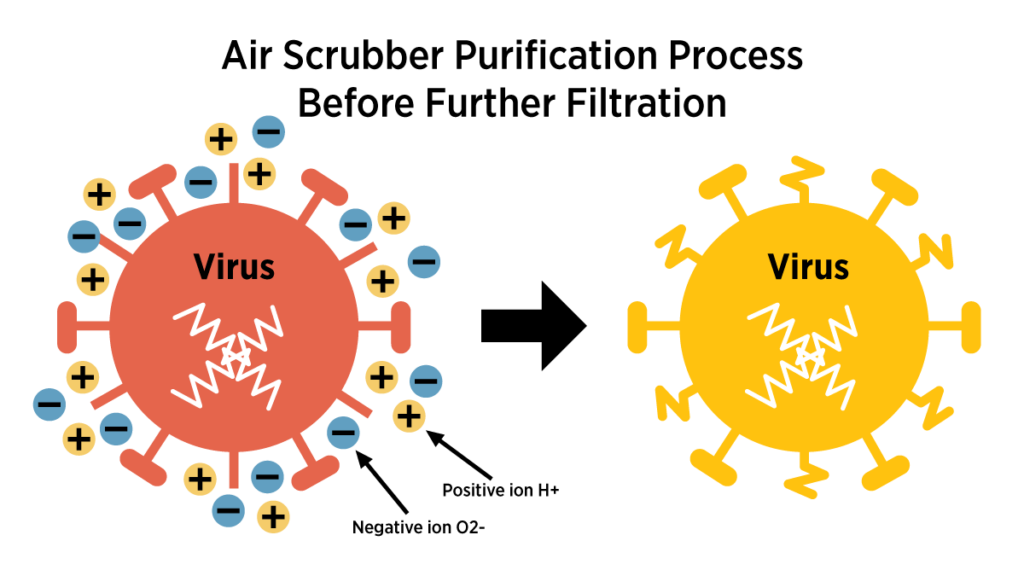
Air scrubbers, on the other hand, send out negative ions that attach to both airborne and surface particles, making them heavier and easier to clean up, or filter.
Not only will both pieces of equipment clean air that employees and customers breathe, they can help your organization pass regulatory air quality inspections and tests.
- Learn More: What Is an Air Scrubber?
What Is the Main Difference Between an Air Scrubber vs. Negative Air Machine?
Both pieces of equipment are helpful in the air cleaning process. When comparing an air scrubber vs. negative air machine, know the difference between the two machines lies in what they cannot do.
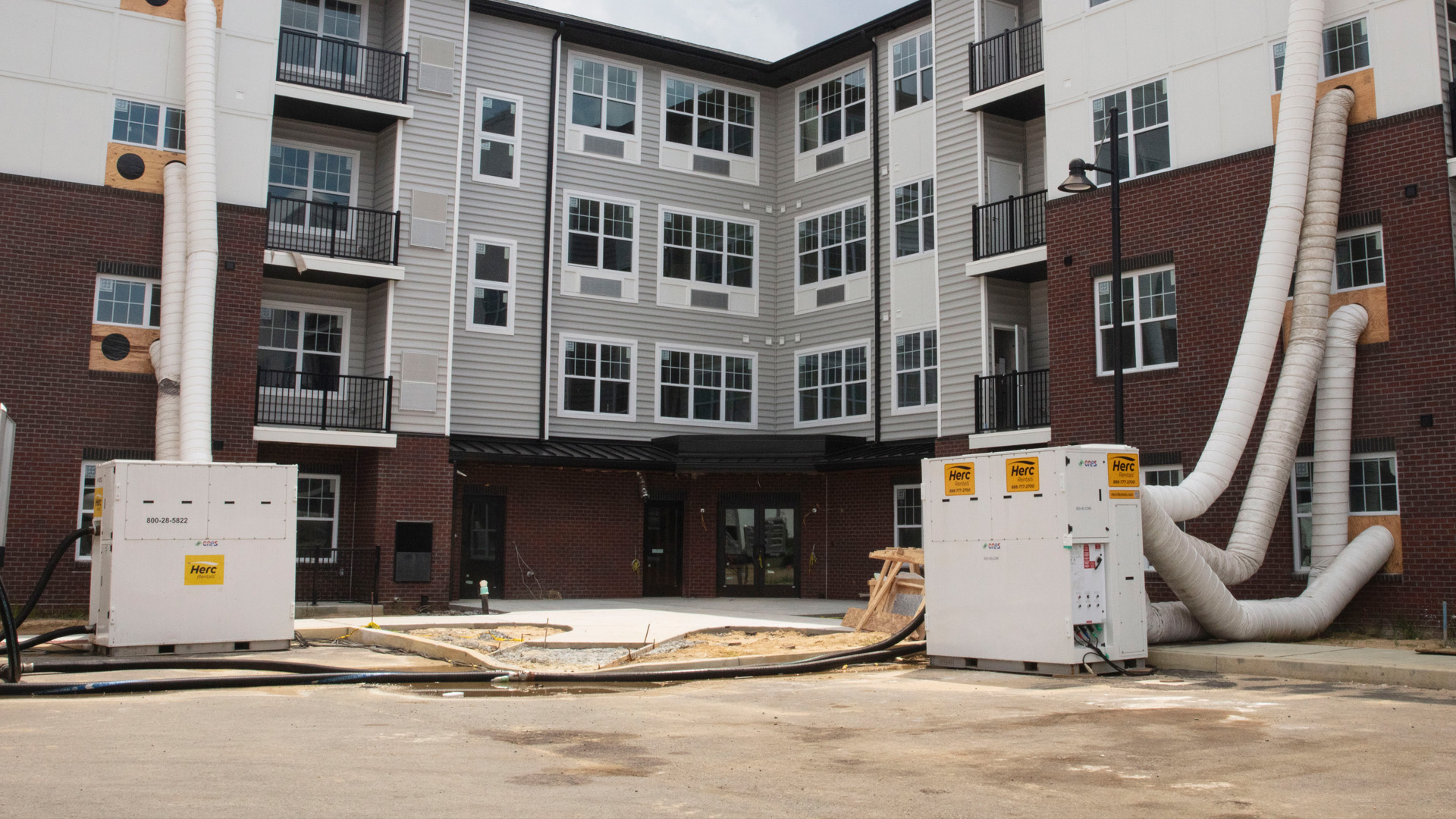
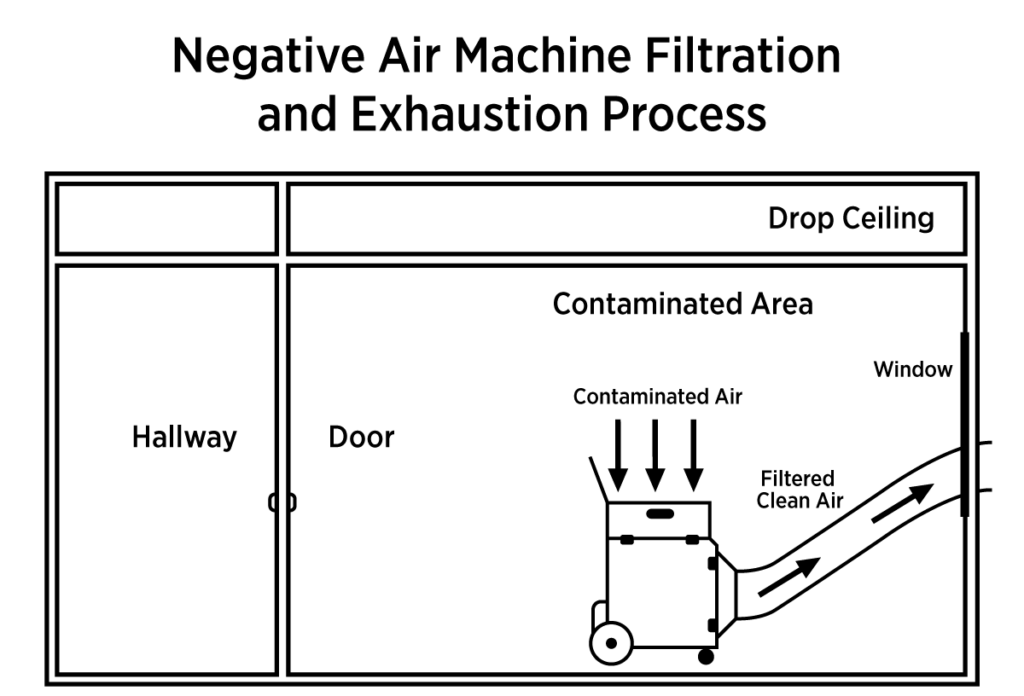
For example, the ducting of absorbed air is a major difference. Negative air machines function by sucking in air and ducting it — or releasing it — outside of the encased space. This means that when a negative air machine is used, the sealed area is constantly at a negative pressure and restricts the spread of air pollutants to other parts of the building or outside.
Air Purifier: What Does It Do?
Unlike air scrubbers, air purifiers use air filtration and air treatment methods to remove pollutants from the air as it moves through the machine itself.
Air purifiers that use HEPA filtration can filter air particles down to 0.3 microns in size with a 99.97% efficiency rating. As a result, air purifiers can help businesses, construction sites or other project areas maintain a “safe breathing” zone. They work in tandem with negative air pressure machines that help contain air particulates within a designated zone.
Air Scrubber: What Does It Do?
As described, air scrubbers use negative ions that attach themselves to both airborne and surface particles, making them heavier and easier to clean up. Air scrubbers are excellent for construction and healthcare organizations, doing an effective job of removing both airborne and settled dust, bacteria, mold spores and harmful gases.
Like air purifiers, air scrubbers are also available with HEPA filtration, allowing you to filter air particles down to 0.3 microns in size at a 99.97% efficiency rating. In addition, they can work alongside a variety of three-stage HEPA negative air machines, which feature replaceable first, second and third filters. Once the particulates are trapped, the clean air is released back into the air.
Negative Air Machine: What Does It Do?
Negative air machines work only in an enclosed space to remove allergens, chemicals and other pollutants. Similar to the other two equipment options, negative air machines can filter air particles down to 0.3 microns in size. This size is 30 to 50 times smaller than the human eye can see.
Just like with air purifiers and air scrubbers, air is filtered and clean air is released from the machine. But before being drawn into the air filtration process in the negative air machine, the equipment creates negative pressure so air can flow into an isolated room and stay there as it is cleaned.
Doing so keeps contaminated air from spreading further into a space. These machines have been in use in construction, restoration and remediation since the asbestos abatement professionals began to use them in the1980s.
After going through the filter within the negative air machine, clean air is exhausted outside of the enclosed space through the ductwork.
Air Purifier vs. Air Scrubber vs. Negative Air Machine: Which Is Best for You?
When deciding between different climate control and air filtration systems, you may find that a combination best suits your needs. But first, consider these factors to determine which kind of equipment will keep air quality safe for workers, customers and space visitors.
Determine the size, condition of the space
Most air purifiers filtering dust, odors and other airborne particles are designed to clean only up to 200 square feet at once. And keep in mind that air purifiers are designed to clean only airborne particles.
Negative air machines work in enclosed spaces that can draw in and retain contaminated air. The space also needs to accommodate ducting to exhaust the clean air. Negative air machines can clean air in spaces encompassing hundreds of square feet. However, they don’t have quite the reach that air scrubbers can handle.
An air scrubber removes particles from the air and surrounding surfaces. This equipment can handle spaces that are much larger. Large-scale facilities like hospitals, schools, manufacturing plants, enclosed construction sites and more will want to opt for an air scrubber.
Several advantages come with the use of air scrubbers:
- Air scrubbers are very effective in eliminating smoke, either from a house that recently suffered from a fire or from indoor smokers.
- With air scrubbers, you can eliminate toxic gases in industrial areas like factories.
- They can remove mold spores from buildings damaged by water.
- They can remove dust and debris from within a space to avoid clogging the vents.
- Their function reduces the risk of health-related difficulties.
Consider the contaminants
All three equipment options, if outfitted with HEPA filtration, can clean particles down to 0.3 microns in size. However, you’ll want to choose equipment depending on the type of contaminants in your space. You also need to take into account the potential severity of the health risks.
Air purifiers are best for removing
- Dust and other allergens
- Bacteria that creates odors
- Viruses
- Other airborne particles
Air scrubbers and negative air machines are best for eliminating
- Toxic gases in industrial spaces
- Particulates from asbestos removal, dirt and more
- Smoke
- Mold spores from buildings damaged by water
- Dust and debris from a space to avoid clogging the vents and worsening allergies and asthma symptoms
- Bacteria and viruses
Ready to Improve Air Quality? Contact Herc Rentals
Clean air is critical for the comfortability and safety of workers, customers and patients. Not only that, but air quality can make a direct impact on product quality and the sustainability of materials in manufacturing facilities.
When considering air scrubbers vs. other climate control systems like air purifiers and negative air machines, consider the size of your space and potential contaminants that need to be removed from air. It may be beneficial to use multiple pieces of equipment at once.
Not sure what your needs are? Call one of our specialists at 1-800-432-6215 to discuss your options, or browse our equipment options online.