Last Updated on July 15, 2026
Large construction projects demand diverse fleets — from bulldozers and excavators to cranes, boom lifts and trailers. Managing a construction fleet across multiple sites while staying compliant with regulations is a constant challenge.
Effective fleet management that focuses on efficiency, cost control and safety can be the difference between operating in the red or in the black. Knowing when to buy and when to rent equipment from a reputable partner, like Herc Rentals, also has a major impact on project outcomes.
This guide offers practical tips to optimize heavy equipment fleet management, reduce downtime, control costs, and keep crews productive and projects profitable.
The Financial Benefits of Effective Fleet Management
Construction projects operate on razor-thin margins, and small inefficiencies quickly erode profit. Effective fleet management protects those margins by ensuring equipment is tracked, maintained and deployed strategically.
At its core, fleet management includes asset tracking, preventive maintenance, fuel oversight, utilization planning, and safety and compliance management — all of which directly impact the bottom line.
With effective fleet management, you may be able to:
- Reduce operating costs. By monitoring fuel consumption, enforcing preventive maintenance and minimizing idle time, managers can control major variable expenses like fuel, repairs, and wear and tear. Proactive service also cuts the risk of unexpected breakdowns that halt progress, disrupt crews and trigger expensive emergency repairs.
- Achieve a better ROI. A well-managed fleet also maximizes asset utilization and return on investment (ROI). Knowing where equipment is, how often it is used and whether it is properly sized for the task prevents overbuying, underutilization and unnecessary rentals.
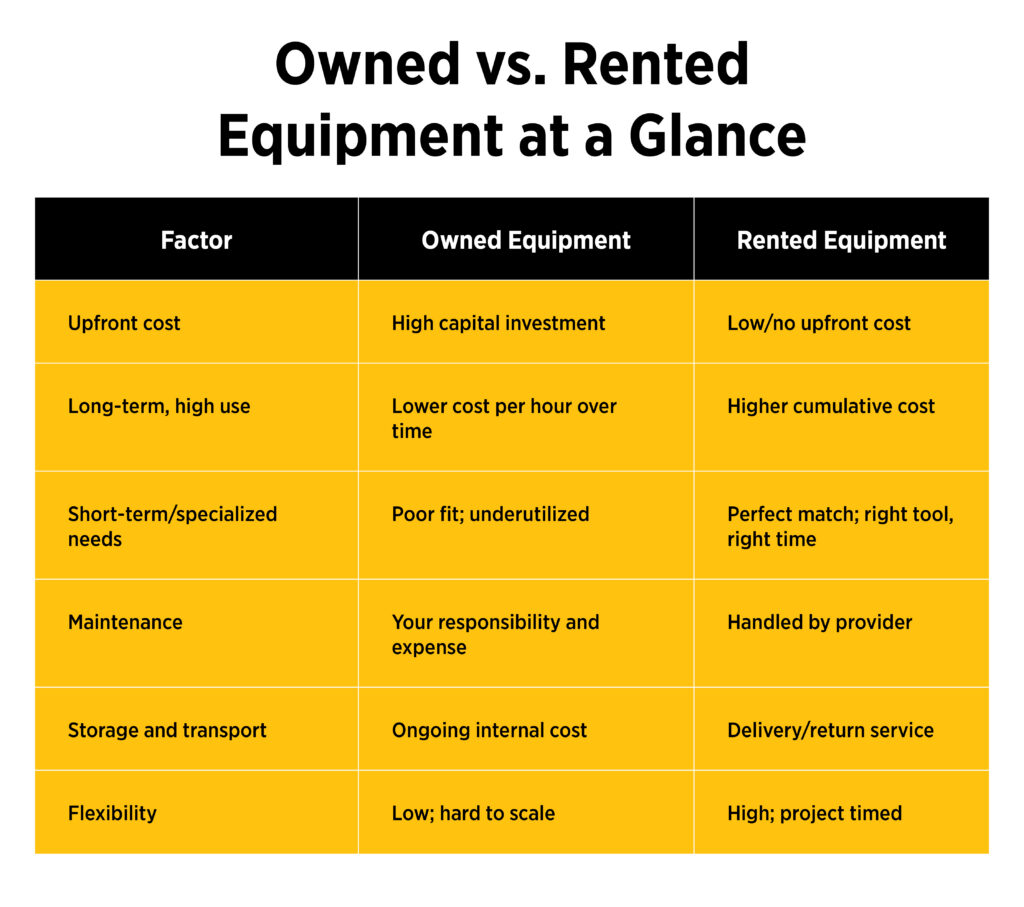
- Make better-informed decisions. Finally, better usage and cost data support smarter rent-versus-own decisions. While renting specialized or short-term equipment can preserve capital and reduce maintenance burdens, owning frequently used assets may deliver better long-term value.
Managed correctly, your rental fleet becomes a powerful financial lever, helping projects stay on schedule, operate safely and remain profitable.

9 Actionable Tips for Optimizing Your Construction Project
Construction fleets face unique challenges from specialized equipment, varying utilization and maintenance across sites. Use the following proven ways to boost visibility, control costs, enhance safety and maintain peak performance.
1. Implement a Proactive Fleet Maintenance Program
A proactive fleet maintenance program keeps equipment safe, reliable and available.
- Create a clear schedule based on manufacturer guidelines, operating hours, duty cycles and site conditions. Include regular inspections, fluid and filter changes, part replacements, and safety checks.
- Document all service activity to identify recurring issues, catch problems early and plan future maintenance. Detailed records also support compliance, warranties and safety standards.
- Use fleet maintenance software that can alert you of potential issues or maintenance reminders.
By moving from reactive fixes to a structured preventive plan, emergency repair costs can be cut, asset life extended, and project schedules maintained.
2. Leverage Fleet Tracking Software
Many contractors combine third-party software with rental provider platforms for full lifecycle visibility.
Heavy equipment fleet management software acts like a command center for fleet monitoring. It’s useful for tracking assets across sites, monitoring real-time performance and automating maintenance schedules. For mixed fleets spanning multiple projects, it eliminates logistics headaches and maximizes return on investment.
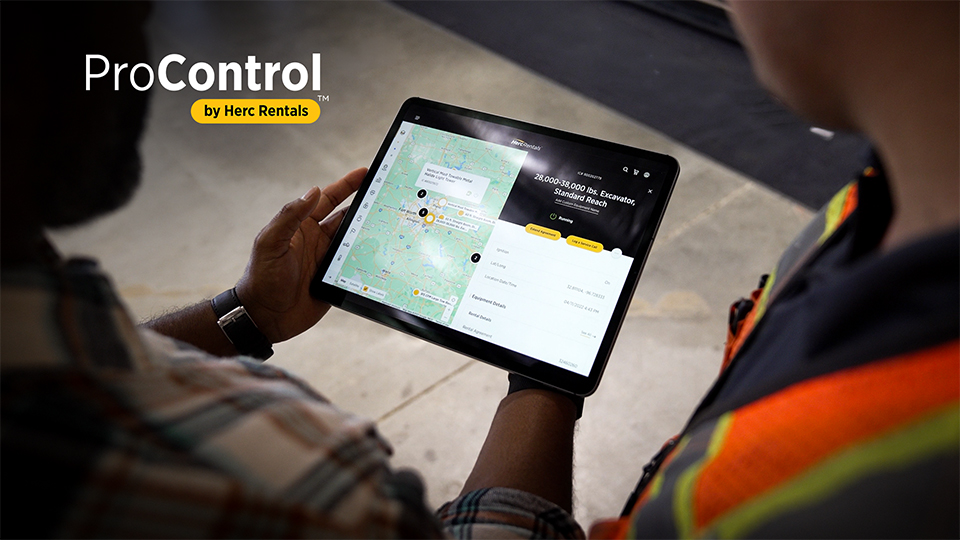
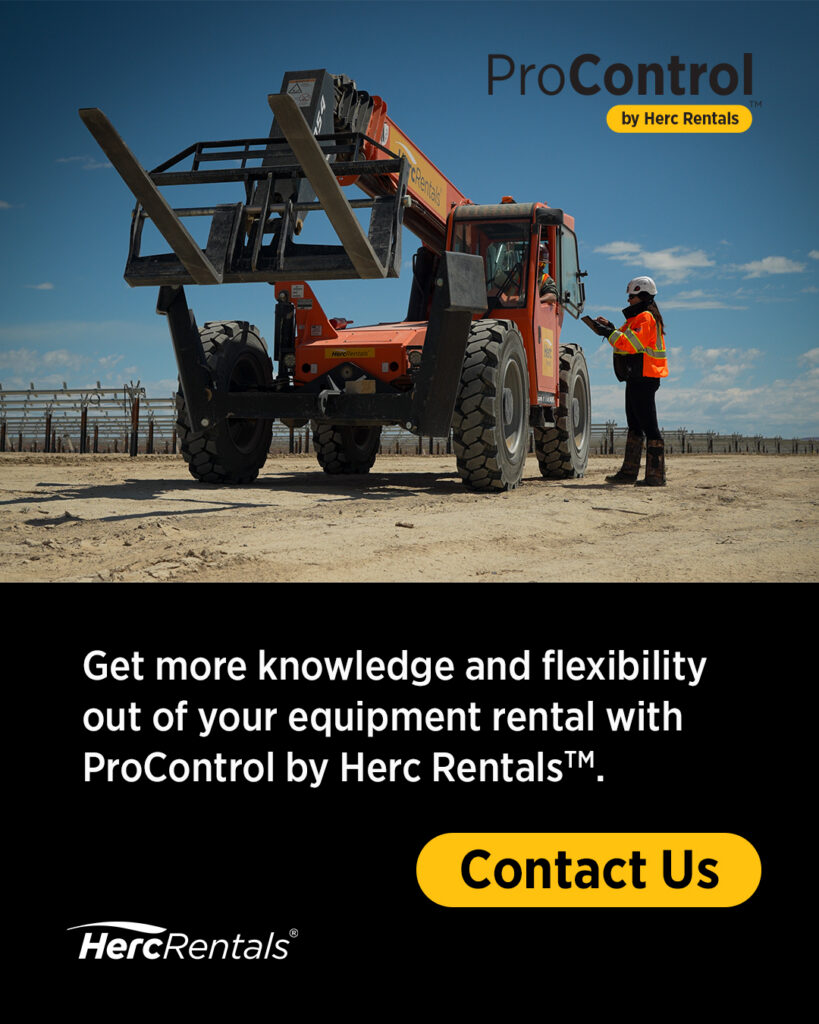
Comprehensive fleet management platforms, like ProControl by Herc RentalsTM, provide GPS location, utilization rates, fuel burn and service alerts on a single dashboard. Centralized visibility prevents idle equipment on one site while others wait. Automated alerts flag issues early. Performance analytics can also reveal inefficient operation, routes or underused machines.
3. Optimize Fuel Consumption
With fuel often accounting for at least 25% of fleet operating costs, it is a prime savings target. There are several ways you can optimize your fuel consumption throughout a project.
- Optimize routes and schedules to minimize empty miles, avoid traffic delays, limit off-hour idling and move equipment efficiently across multi-site projects.
- Rent fuel-efficient or hybrid equipment whenever possible, to minimize fuel use.
- Train drivers on fuel-efficient habits, like proper shifting, smooth acceleration, gentle braking and reduced idling.
- Monitor usage via vehicle tracking software, fuel cards or telematics to spot waste from speeding, harsh driving or inefficient equipment. Then, coach drivers or right-size assets.
4. Prioritize Fleet Safety and Compliance
Construction equipment is highly specialized and often requires certified, properly trained operators. OSHA cites lack of training, monitoring and poor maintenance as major contributors to construction incidents.
To reduce risk, establish clear safety protocols, provide regular training and maintain documented certifications. Enforce core practices like seatbelt use, load limits and exclusion zones around operating equipment. Centralize compliance tracking with logs for inspections, training and service records to meet OSHA standards while keeping sites safer.
Partner with an equipment rental provider that makes safety a top priority. For example, they should offer safety training that can be accessed or scheduled through their fleet management software.
5. Master the Art of a Mixed Fleet: Owned vs. Rented Equipment
Finding the ideal balance between owned and rented equipment can transform your bottom line. For many contractors, the smartest approach is a mixed fleet — owning high-utilization assets while renting specialized or short-term equipment as needed. This hybrid strategy preserves capital, improves flexibility and reduces operational risk.
For more guidance, see our post “How to Choose an Equipment Rental Provider.”
6. Use Telematics to Your Advantage
Telematics combines fleet GPS tracking, sensors and wireless communication to deliver real-time insights on equipment location, usage, fuel consumption, idle time and operator behavior. This enables teams to monitor operations remotely, optimize resources and make data-driven decisions from a single, centralized view.
Many modern machines, including medium-range excavators, come telematics-enabled, giving visibility across owned and rented fleets. Use this construction equipment fleet monitoring data to optimize routes, reduce fuel use, schedule preventive maintenance by engine hours and redeploy idle assets.
7. Streamline Equipment Procurement and Your On-Site Mix
Getting the job done right starts with procuring the right equipment at the right price, then keeping the most efficient mix on-site as needs evolve. A disciplined approach matches equipment specs to tasks while balancing owned and rented assets.
How to Build an Effective Equipment Fleet:
- Assess your requirements. Match size, capacity and attachments to tasks, phases and site constraints.
- Compare cost and utilization. Own high-use assets; rent short-term or specialized equipment.
- Evaluate condition. Verify hours, maintenance history and emissions compliance before committing.
- Negotiate rental terms. Secure delivery, scheduled start dates, and certified safety and operating training
- Right-size on-site. Rotate idle units off to reduce fuel waste and congestion.
- Plan for the entire owned-equipment lifecycle. If you own equipment, resell or replace equipment before major repairs occur. If you’re renting, a reliable provider will already keep their fleet up to date.
8. Implement a Training and Retention Program
Well-trained operators work more safely, use equipment more efficiently and are less likely to cause costly damage, downtime or compliance violations. A structured training and refresher program should cover safe operation, site rules, inspections and basic troubleshooting.
Investing in training not only protects people and equipment but also boosts retention by showing workers they are supported and set up to succeed. Strong retention practices, such as setting clear expectations, fair scheduling and recognition for safe performance, help keep experienced operators on your team.
High-quality rental partners like Herc Rentals also offer equipment-specific training to standardize safety across owned and rented fleets.
9. Develop a Disaster Recovery Plan
Even with regular fleet maintenance and a high-quality rental provider, breakdowns happen. A disaster recovery plan turns them into manageable events that minimize downtime.
If equipment fails, be prepared to:
- Secure the area. Tag out equipment and establish bypass workflows.
- Contact your rental provider immediately to make repairs. Your provider will work with you to identify critical machines and coordinate repairs or equipment replacements.
- Notify and reschedule teams. Reassign crews to keep production moving.
- Secure replacements. Shift backup units from other sites and contact your rental partner immediately to minimize downtime.
- Prevent repeats. Document root causes and update maintenance plans. Keep critical spares on hand for high-value equipment to slash repair times.
Build a Better Fleet with Herc Rentals
Effective fleet management hinges on planning, construction fleet management software and trusted partners. From proactive maintenance and fuel optimization to safety training and real-time fleet management technology, you can protect margins by controlling costs, reducing downtime, enhancing safety and keeping projects on schedule.
The equipment experts at Herc Rentals can help. We have a fleet of top-quality, relaible equipment, flexible rental terms, and comprehensive training. Plus, our ProControl comprehensive real-time fleet management solution gives you the control and insights you need to improve job site efficiency.
Ready to optimize your fleet and boost your bottom line? Request a free fleet consultation today or call 1-800-432-6215.